Clementine mousse is the winter dessert I bring out when the meal has already been generous and you need to finish fresh, not heavy. This version remains classic, but frankly simplified: few ingredients, no cooking, and a real mousse-like texture if you follow two steps.
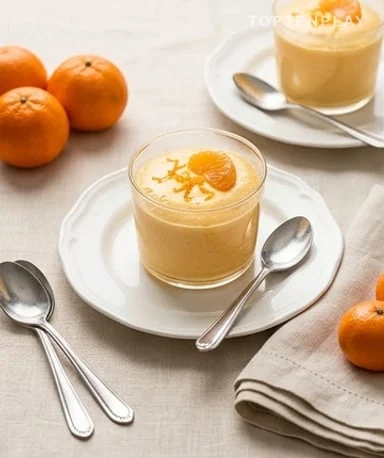
In the glass, the mousse takes on a slightly orange cream color, soft to the eye, almost satiny. The scent comes quickly: fresh clementine, bright zest, discreet sugar. On the spoon, it should yield without resistance, with that airy sensation of whipped egg whites that almost melt immediately. It’s a simple dessert, but it has that clean, fragrant side that makes it seem more elaborate than it really is.
Why you’ll love this recipe
Ingredient Notes
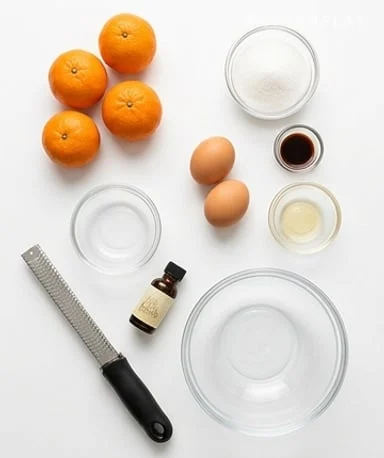
Clementines, eggs, and sugar: the base is short, but you need good, fragrant fruit for the mousse to have character.
- Clementines : They provide the aroma, juice, and that gentle freshness that makes the whole dessert. Choose clementines that are heavy for their size, with thin, shiny skin; if they lack flavor, add a little zest to wake it up.
- Eggs : The yolks add body to the sweet base, while the whipped whites create the airy texture. Use extra fresh eggs, especially for an uncooked mousse, and separate them well: a trace of yolk in the whites can prevent a firm peak.
- Sugar : It balances the acidity of the citrus and helps create a smoother base with the yolks. If the clementines are very sweet, slightly reduce the amount; if they are bland, don’t just add more sugar, add more zest instead.
- Clementine zest : It concentrates the fruit’s fragrant oils and gives a real length on the palate. Grate only the orange surface, never the white pith, otherwise the mousse will take on a dry bitterness that spoils its sweetness.
- Vanilla : It’s not mandatory, but it rounds out the flavor and makes the mousse feel softer. Use a few drops of extract or a little vanilla sugar, without forcing it, because clementine should remain the main taste.
I prefer a simple but well-flavored base
Start by juicing the clementines, then add a little zest if the fruits smell good as soon as you peel them. It’s this bright, almost floral aroma that will run through the whole mousse. Then mix the yolks with the sugar until you get a paler, smoother texture, not necessarily a thick cream, but something shiny and homogeneous. The sugar must dissolve as much as possible, otherwise you’ll feel a grainy texture in the mouth. Add the juice little by little to keep a regular base, without flooding it all at once.

Whipped egg whites make all the difference
Whip the whites until they hold well, with a white, shiny texture and soft peaks at the end of the whisk. Do not over-beat them: too dry whites mix poorly and the mousse becomes uneven. When the whisk passes, you should hear a slight frothy, almost cottony sound. First fold a small spoonful of whites into the clementine base to loosen it, then add the rest with a spatula. The motion should be broad and slow, as if you were lifting the mixture rather than stirring it.
The glass really helps with the set
Pour the mousse into clean glasses, not too large, because this dessert benefits from being served in a fresh, neat portion. When filling, avoid tapping the glasses on the work surface: it forces out the air you’ve just incorporated. The surface can stay slightly wavy, it’s even more appetizing than a too-smooth top. At this stage, the scent of clementine is sweet but still a bit sharp. The cold will calm that hint of acidity and give a more melt-in-the-mouth mousse.
Chilling is non-negotiable
Place the glasses in the refrigerator for at least two hours, well covered if your fridge contains strong-smelling foods. The mousse will gently firm up without becoming compact, and the flavors will settle. This is the moment when the texture goes from fragile mousse to a truly spoon-friendly dessert. If you serve it too early, it may seem a bit runny and less fragrant. Just before serving, add a little fresh zest or a clementine segment to bring back that bright smell as it arrives at the table.
A simple finish works better than a heavy decoration
This mousse doesn’t need to be hidden under too many toppings. A fine zest, a few crumbs of plain biscuit, or a small mint leaf are enough if you want contrast. The goal is to keep the light sensation: a spoon should go through the mousse without hitting a heavy or too-sweet layer. If you add whipped cream, do so sparingly, as it rounds out the dessert but can also overwhelm the clementine. The best balance remains a fresh, fragrant mousse with a clean finish in the mouth.

Tips & Tricks
- Use clementines at room temperature before juicing: they yield more juice and release a rounder aroma.
- Fold in the whites in several batches, because a base that is too dense can break the snow if added all at once.
- Taste the juice before finalizing the sweetness: some clementines are very sweet, others more bland, and the balance changes a lot.
- Serve well chilled, but not icy: too cold, the citrus aroma becomes more subtle and the texture seems less melting.

Can you make clementine mousse the day before?
Yes, it’s even a good idea. Chilling gives a more stable texture and allows the clementine flavor to develop.
Why does my mousse collapse?
Most often, the egg whites are folded in too quickly or too vigorously. You must add them gently, with a spatula, to keep the air in the mixture.
Can you replace clementines with oranges?
Yes, but the taste will be stronger and sometimes a little less sweet. Use a very juicy orange and add only a little zest to avoid bitterness.
Should I add gelatin?
It’s not mandatory for a light mousse in a glass. If you want a firmer set, add one sheet of gelatin softened then melted in a little warm clementine juice.
How long does this mousse keep?
It keeps about 24 hours in the refrigerator, well covered. After that, the texture may release a little water and lose its airy quality.

Clementine Mousse
French
Dessert
A fresh, light, and fragrant clementine mousse, perfect for a winter dessert after a generous meal. The recipe remains simple: citrus, eggs, a little sugar, and a good chill.
Ingredients
- 4 juicy clementines
- 3 extra fresh eggs
- 60 g granulated sugar
- 1 teaspoon fine clementine zest
- 1/2 teaspoon vanilla extract
- 1 pinch salt
Instructions
- 1Wash and dry the clementines, then finely grate a little zest without taking the white pith.
- 2Juice the clementines to get about 120 ml of juice, then strain if necessary to remove seeds and thick pulp.
- 3Separate the egg whites and yolks into two clean bowls.
- 4Whisk the yolks with the sugar until the mixture is paler and slightly frothy.
- 5Add the clementine juice, zest, and vanilla to the sweetened yolks, then mix until homogeneous.
- 6Whip the egg whites with a pinch of salt until they form firm but still soft peaks.
- 7Fold a small portion of whites into the clementine base to loosen it, then gently fold in the rest with a spatula.
- 8Divide the mousse among 4 glasses and lightly smooth the surface without pressing down.
- 9Refrigerate for at least 2 hours before serving well chilled, with a little zest or a clementine segment as garnish.
Notes
• Use extra fresh eggs, as this mousse is not cooked.
• For a firmer mousse, add 1 sheet of gelatin softened then melted in a small portion of warm clementine juice.
• Do not overwork the mousse after adding the whites, or it will lose volume.
• The mousse is best the same day or the next day, well stored in the refrigerator.
Nutrition Facts (per serving, estimated)
| 145 kcalCalories | 6gProtein | 22gCarbs | 4gFat |