📌 Clementine meringue tart: the butter cream technique to prevent it from making the pastry soggy
Posted 9 February 2026 by: Admin
A Citrus Tart That Reinvents Tradition
The lemon meringue tart has long dominated citrus desserts, but a winter variation is now making its mark in kitchens: the clementine meringue tart. This accessible creation transforms the natural sweetness of seasonal clementines into a sophisticated dessert, achievable in 1h40 for 4 people.
The intelligence of this recipe lies in its pragmatic approach. A store-bought shortcrust pastry removes the technical step of kneading, allowing focus on the essentials: the smooth clementine cream and the airy meringue that tops it. The process breaks down into two distinct phases: 20 minutes of active preparation, 20 minutes of baking at 210°C, then 1 hour of essential chilling to set the cream.
This double texture is the dessert’s true asset. The citrus cream, enriched with zest and juice, develops an aromatic intensity that lemon cannot match. As for the meringue, worked according to a professional method, it brings that crunchy-melting contrast that defines great pastry creations.
The recipe fully exploits the clementine season—those less acidic and naturally sweet citrus fruits that soften the taste profile while maintaining the freshness expected of a citrus dessert. The result: a tart that combines tradition and modernity, accessible without sacrificing elegance.
Clementine Cream, The Aromatic Heart Of The Dessert
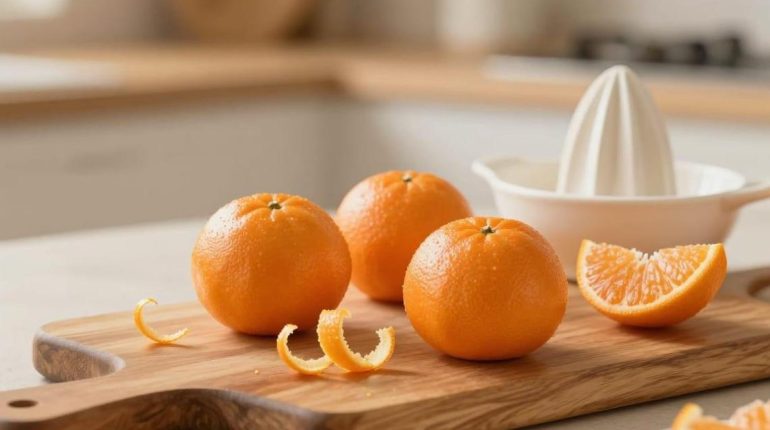
What differentiates this tart from a simple citrus filling is the integral treatment of the clementines. The 5 fruits are washed, dried, then zested over a bowl to capture every bit of essential oil contained in the skin. This step captures the concentrated aromas that juice alone cannot offer. Once squeezed, the clementines yield their juice which, combined with the zest, forms the aromatic base of the cream.
The cooking technique is similar to that of an artisanal lemon curd. In a bowl, 4 whole eggs are beaten with 120g of sugar until smooth. Meanwhile, 70g of butter melts in a saucepan with the clementine juice and zest. This is where the method becomes decisive: adding the beaten eggs to the butter-citrus mixture, followed by continuous whisking, creates a progressive emulsion. Constant whisking prevents the eggs from curdling abruptly while promoting steady thickening.
Boiling is reached in about 3 minutes, during which the cream changes from a liquid state to a velvety consistency. This change in texture signals optimal cooking: the egg proteins have coagulated just enough to structure the preparation without drying it out. The cream is then poured onto the pre-baked pastry base and placed in the fridge. This hour of rest is non-negotiable: it allows the cream to set completely, guaranteeing a clean cut when serving and impeccable hold under the weight of the meringue.
The Meringue, Assembly Technique For A Professional Result
Once the cream has set, the tart must be elevated to a pastry-shop finish. The meringue relies on a two-stage whipping method that separates amateur bakers from professionals. In a bowl, 2 egg whites are poured with half of the 100g of sugar. The electric whisk gradually transforms them into a white foam that gains volume and firmness. This first phase creates the basic structure: air bubbles stabilized by the white’s proteins.
It is the next step that makes all the difference. When the whites are already quite firm, the rest of the sugar is incorporated to “tighten” the meringue. This second addition tightens the air bubbles, densifies the texture, and brings a characteristic shine. The result is a stable meringue that holds its shape perfectly during piping. Without this tightening, the whites would collapse or release water after a few minutes.
The piping bag then comes into play. Filled with the tightened meringue, it allows for the creation of rosettes, peaks, or regular waves over the entire surface of the tart. This decorative technique visually structures the dessert while preparing for the final caramelization. Each meringue peak will catch the heat differently, creating golden nuances that transform a simple topping into a spectacular piece.
Finishes And Caramelization, Two Methods For The Final Touch
The piped meringue now requires controlled caramelization to seal the tart. Two tools are available to the pastry chef, each with its advantages. The kitchen torch, precise and fast, allows targeting each meringue peak to create nuances of color. In a few passes of the flame at a controlled distance, the tips turn from pearly white to deep gold. This method offers absolute control over the intensity of caramelization.
The alternative lies under the oven grill, heated to a high temperature. The tart stays there for only a few moments, long enough for the radiant heat to uniformly color the entire surface. This option is particularly suitable for kitchens without a torch, while guaranteeing homogeneous browning. One must remain vigilant: the line between golden and burnt meringue is crossed in seconds under such intense heat.
Upstream, the blind baking of the shortcrust pastry forms the foundation of this success. At 210°C for 15 minutes, the base hardens without browning, keeping its baking paper to facilitate final removal. This preparation prevents any softening when the moist cream is added. The final assembly then reveals three distinct textures: the crunchy shortcrust, the melting clementine cream, and the caramelized meringue whose peaks crunch under the tooth before melting into sweet softness.