📌 Clementine and Chinese cabbage salad with ginger: how toasted sesame transforms this fresh recipe
Posted 28 February 2026 by: Admin
Preparation Of Citrus And Cabbage
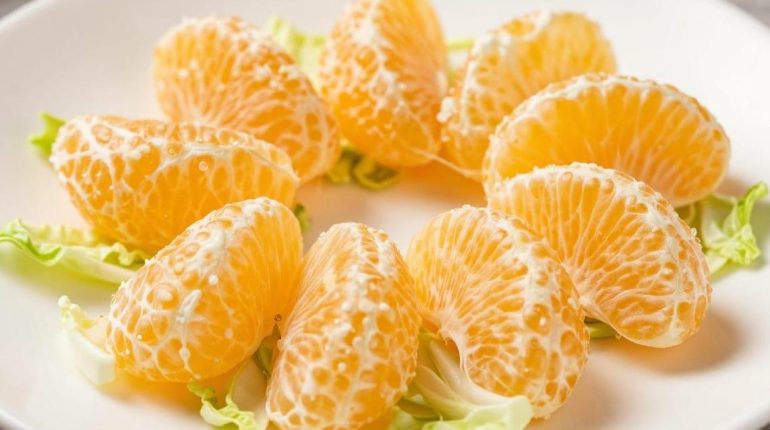
Peeling the clementines is the first step of this fusion recipe. Delicately separate each segment to preserve their integrity. Cooks wishing to elevate this salad to gastronomic status will opt for removing the membranes (supreming), a refined technique that involves meticulously removing the white skin surrounding the flesh. This operation, although optional, radically transforms the mouthfeel and the visual aesthetics of the dish.
Chinese cabbage requires precise cutting into thin strips. This cut creates vegetable ribbons that will harmonize perfectly with the tender texture of the citrus. The fineness of the cut directly influences the balance of flavors: strips that are too thick would dominate the palate, while delicate ribbons allow each ingredient to express itself.
This duality of preparation – classic versus refined – offers flexibility adapted to the context of the meal. The simplified version is suitable for daily lunches, while supreming the segments transforms this starter into a proposition worthy of the most demanding tables. The extra time invested in this technique is measured in minutes, but the gustatory impact proves to be considerable.
Working With Asian Aromatics
Once the basic elements are prepared, attention turns to the aromatics that give this salad its fusion identity. Peeling fresh ginger is done using a spoon, a technique that minimizes flesh waste. Two cutting methods are available to the cook: the first consists of cutting ultra-thin sticks, then transforming them into small regular cubes. This approach gradually releases the essential oils and creates spicy bursts distributed uniformly throughout the mixture.
The alternative of manual grating produces a different result. The crushed fibers diffuse a more marked aromatic intensity, permeating the entire preparation more deeply. The choice between these two techniques depends on the desired effect: discretion with the cubes, power with the grating.
Fresh cilantro requires thorough washing to remove any trace of soil, followed by delicate chopping. Coarsely chopped leaves would weigh down the salad, while a fine cut subtly disperses their lemony and herbaceous notes. These Asian aromatics transform a simple cabbage-citrus association into a sophisticated composition, where each bite reveals a mastered olfactory progression.
Assembling these precisely prepared elements will be the decisive step to reveal the full dimension of this recipe.
Assembly And Fusion Seasoning
The assembly step brings together all the prepared components in a large salad bowl. Clementines, Chinese cabbage, ginger, and cilantro are mixed delicately to preserve the integrity of the citrus segments and prevent the cabbage from bruising. This gentle handling guarantees a harmonious presentation where each ingredient retains its visual personality.
The seasoning relies on two specific aromatic pillars. Toasted sesame oil is the priority choice: its toasted notes envelop the ingredients with a characteristic depth impossible to reproduce with a neutral oil. Failing that, classic sesame oil provides a less pronounced but perfectly acceptable oriental smoothness. A generous drizzle is enough to create this subtle link between the crunchy elements and the juicy segments.
Soy sauce is then added, poured sparingly. Its role goes beyond the simple function of salty seasoning: it also brings umami nuances that amplify the natural flavors of the cabbage and ginger. This feature makes any addition of salt superfluous, thus avoiding the risk of gustatory imbalance. The economy of gesture transforms a constraint (absence of salt) into a culinary asset.
This final composition, where aromatic oils and Asian condiments dialogue with precision, requires only one more condition to reveal its full potential: freshness.
Service And Optimal Tasting
The serving temperature determines the final success of this composition. The salad should be consumed very fresh, ideally after thirty minutes in the refrigerator, which allows the aromatics to diffuse their essences without altering the crunchiness of the cabbage. This resting period transforms the distinct flavors into a coherent whole where ginger, cilantro, and sesame fuse with the citrus.
The thermal and textural contrast constitutes the very essence of this preparation. The clementines segments, bursting with fresh and slightly acidic juice, contrast with the firm crunch of the Chinese cabbage. This opposition creates a gustatory dynamic where the freshness of the citrus tempers the subtle heat of the ginger, while the finely chopped cilantro brings herbaceous notes that unify the whole.
The tasting gradually reveals the different aromatic layers. The first bite offers the toasted scent of sesame oil and the sugary sweetness of the clementines. Then comes the vegetable freshness of the cabbage, followed by the delicate tingling of the ginger that gradually warms the palate. The soy sauce persists in the finish, bringing that umami depth that naturally calls for another bite.
This recipe is particularly suitable for winter meals when citrus fruits are at their peak flavor, offering a refreshing interlude between more substantial dishes.