📌 Chocolate mousse cake: the egg white technique that replaces gelatin for an ultra-airy texture
Posted 27 March 2026 by: Admin
The Essence Of An Exceptional Dessert
In the world of chocolate pastry, one dessert defies conventions: the chocolate mousse cake without gelatin. This creation escapes the codes of classic desserts by voluntarily removing all gelling agents. The result? A natural texture that oscillates between density and lightness, “close to a rich and delicate mousse” according to master pastry chefs.
The alliance between dark chocolate, creamy butter, and beaten eggs creates a rare balance: the dessert literally melts in the mouth while maintaining an airy structure. This simultaneous melting-airy duality constitutes the unique signature of this preparation, impossible to reproduce with industrial gelling agents.
Unlike traditional mousses set by gelatin, this version preserves the authenticity of the chocolate. Each bite reveals the depth of the cocoa without the interference of an artificial texture. The 300 grams of pastry chocolate deploy all their intensity, freed from any chemical constraints.
This dessert transforms special occasions into memorable moments. Its guaranteed success rests on a simple principle: respecting the integrity of the ingredients rather than constraining them. Chocolate lovers find a pure taste experience, where each component fully expresses its character without technical compromise.
The Technical Architecture Of Perfection
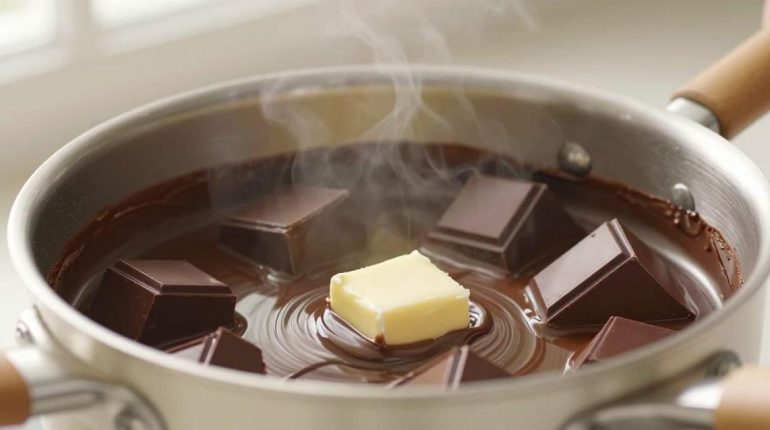
The mastery of this dessert rests on a precise understanding of the role of each ingredient. The 300 grams of pastry chocolate constitute the aromatic base, their quality directly determining the final intensity. The butter, measured at 200 grams, combines with the melted chocolate to create a creamy base that structures the whole without stiffening.
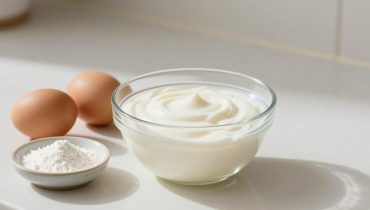
The eight eggs orchestrate the moussy texture. The yolks, whisked with 200 grams of sugar, provide creamy smoothness. The whites whipped into stiff peaks inject the air essential for lightness. This separation allows the distinct properties of each component to be exploited: emulsion for the yolks, aeration for the whites. The delicate incorporation of the whites, by lifting the mass rather than mixing brutally, preserves the air bubbles that create this characteristic airy sensation.
Flour is used in a homeopathic dose: only 40 grams. This subtle stabilizer slightly structures the preparation without stifling the moussy texture. Sifted before incorporation, it disperses uniformly in the chocolate batter, creating an imperceptible frame that maintains cohesion without ever weighing it down.
This pastry chemistry transforms precise proportions into a sensory experience. Every gram counts, every technical gesture influences the final result. Success is not due to chance but to the exact understanding of the interaction between chocolate, fats, proteins, and trapped air.
The Protocol Of Mastered Realization
The transformation of these ingredients into an exceptional dessert requires a precise chronology. The baking, voluntarily brief, lasts fifteen minutes at 180°C. This apparently insufficient timing is nevertheless the fundamental secret: the heart must remain wobbly, almost liquid, to maintain the mousse effect. An oven that is too hot or prolonged baking would dry out the preparation, annihilating the sought-after texture.
The critical step precedes baking: the incorporation of the egg whites. The spatula replaces the whisk, the movements go from the bottom to the surface by delicately lifting the chocolate mass. This gesture preserves the air bubbles trapped in the whipped whites. Every brutal rotation would destroy thousands of microbubbles, transforming the airy mousse into a dense batter.
Cooling seals the success. A minimum of two hours in the refrigerator stabilizes the structure. The low temperature sets the fats, allowing the cake to hold while retaining its melting quality. Taking the dessert out too early risks collapse; leaving it too long excessively hardens the texture. This strategic rest completes the metamorphosis begun in the oven.
Each phase follows an implacable logic. Temperature controls the texture, the gesture protects the aeration, time consolidates the balance. Understanding this mechanics transforms a recipe into a precision protocol, where intuition gives way to technical mastery.
Personalization And Final Sublimation
Technical mastery opens the way to gourmet variations. Dark chocolate with 70% cocoa radically transforms the experience: the pronounced bitterness creates an intense, almost adult version that will seduce purists. Conversely, adding a spoonful of praline paste introduces a gourmet roundness, while a pinch of soluble coffee dissolved in the melted chocolate reveals unsuspected roasted notes.
The flourless option deserves attention. Removing these forty grams produces an ultra-melting result, bordering on a chocolate fondant. The structure becomes more fragile, requiring delicate handling during unmolding, but the texture gains in voluptuousness. This variation is particularly suitable for lovers of extreme melting sensations.
The final presentation determines the visual impact. Sparingly arranged chocolate shavings create relief without overloading. The cold plate preserves the texture: a vanilla custard forms a golden lake contrasting with the deep brown of the cake, a few tart raspberries balance the chocolate richness, a scoop of vanilla ice cream brings a welcome milky freshness.
Served well chilled, this dessert reveals its 400 to 500 kilocalories with generosity. The cut reveals the sought-after effect: a clean slice on the outside, a slightly wobbly heart that gently sags on the plate. This visual duality announces the sensation in the mouth, guaranteeing that moment of admiring surprise that every amateur pastry chef seeks.