📌 Chinese Pepper Steak: the velveting technique that transforms ordinary beef into ultra-tender meat
Posted 3 February 2026 by: Admin
The Art Of Pepper Steak: A Chinese-American Classic Decoded
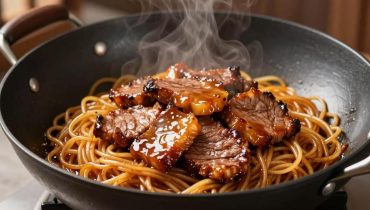
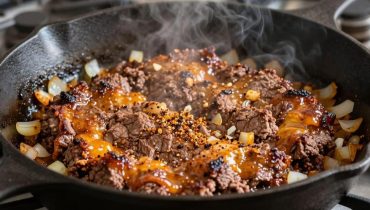
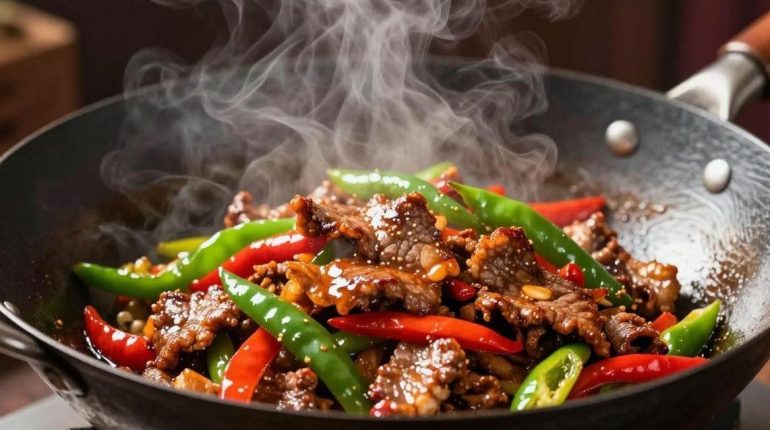
Some dishes possess this unique ability to recreate the atmosphere of an authentic Chinese restaurant from the very first bite. The Chinese Pepper Steak embodies this promise with remarkable precision. This iconic stir-fry owes its fame to a skillfully orchestrated taste balance: melt-in-your-mouth beef slices, seared to perfection and coated in a deep umami sauce, intermingle with crunchy peppers and sweet onions.
The strength of this classic lies in its subtle harmony. Unlike stir-fries overloaded with sauce or heavy, Pepper Steak preserves the integrity of each component. The savory beef dialogues with the vegetal freshness of the peppers, while the sweetness of the onions softens the whole without weighing it down. This symphony of textures and flavors creates a coherent culinary experience where nothing dominates, everything contributes.
Beyond the gustatory pleasure, this dish appeals with its practicality. Its quick preparation makes it a valuable ally for weeknights, transforming an ordinary meal into a gastronomic moment without compromising on quality. The secret lies in mastering “velveting,” a tenderizing technique that gives the meat that silky texture characteristic of the best Chinese tables.
This recipe transcends the simple assembly of ingredients. It invites you to understand the mechanisms that transform basic components into a restaurant-quality delight, accessible in your own kitchen.
Strategic Ingredient Selection
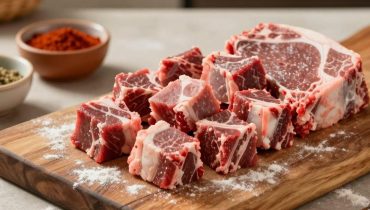
The success of this iconic dish relies on precise choices, where each ingredient plays a determining role. Flank steak or skirt steak (450g) stands out as the ideal base: these marbled pieces, thinly sliced against the grain, guarantee maximum tenderness after quick cooking. This specific cut breaks the muscle fibers, transforming potentially tough meat into melting bites.
The vegetable trio composes the visual and gustatory structure of the dish. A green and a red pepper, cut into regular pieces, provide the characteristic crunch and a vibrant color palette. The half yellow onion, detailed into generous wedges, releases its natural sweetness under high heat, creating a sweet counterpoint essential to the overall balance.
The arsenal of Asian aromatics distinguishes a home version from a restaurant-quality preparation. Three cloves of garlic and a 2.5 cm piece of fresh ginger infuse the wok with their pungent and fragrant notes. Light soy sauce structures the salty profile, while dark soy sauce enriches the caramelized color. Oyster sauce and Shaoxing wine add that umami depth impossible to reproduce with Western substitutes.
Two secret ingredients separate amateurs from connoisseurs: baking soda (1/2 teaspoon, optional) slightly alkalizes the meat for professional tenderness, while the double cornstarch-soy marinade creates that signature silky texture of Chinese velveting.
The Preparation Protocol Revealed
These carefully selected ingredients only reveal their full potential through a precise methodology, one that transforms raw components into an authentic gastronomic experience. The velveting technique constitutes the first crucial step: beef slices are coated in a mixture of 2 tablespoons of cornstarch, light soy sauce, and Shaoxing wine, then left to rest for 15 to 30 minutes. This process creates a protective barrier that seals in juices during high-heat cooking, guaranteeing that silky texture characteristic of the best Chinese establishments.
Meanwhile, cutting the vegetables requires the same rigor. Peppers and onions must form uniform 2.5 cm pieces, ensuring even cooking and that perfect crunch that contrasts with the tenderness of the meat. Too small, they become soft; too large, they remain raw in the center.
The sauce deserves special attention. In a separate bowl, 120 ml of beef broth combine with oyster sauce, granulated sugar, and white pepper, forming a liquid that will coat every bite with irresistible flavor. Dark soy sauce enriches the caramelized hue, while white pepper brings that subtle spice without dominating the palate.
The cornstarch slurry (1 tablespoon diluted in 2 tablespoons of water) waits in the wings, ready to transform the liquid sauce into a shiny and smooth veil that adheres to the ingredients rather than stagnating at the bottom of the wok. This meticulous preparation guarantees a fluid and rapid execution once the heat is on.
Nutritional Assessment And Culinary Promise
This rigorous protocol results in a dish that combines gustatory pleasure and remarkable nutritional balance. Each serving provides 480 calories, with 35g of high-quality protein from the beef, supporting satiety and muscle building. The carbohydrate-lipid ratio remains moderate (30g/25g respectively), while the 4g of fiber from the peppers and onions contribute to digestion and intestinal well-being.
The finish with sesame oil, added off the heat, deposits that typical aromatic signature of Chinese cuisine without weighing down the dish. Served on a bed of steamed rice that delicately absorbs the sauce, Pepper Steak transforms into a complete meal. Optional garnishes – thinly sliced green onions and lightly toasted sesame seeds – add a visual and textural dimension that makes all the difference between a home dish and a plate worthy of an authentic restaurant.
The real asset lies in its speed of execution: less than 30 minutes from preparation to plate, without compromising restaurant quality. This efficiency transforms Pepper Steak into a valuable ally for busy weeknights when the desire for authenticity meets time constraints. The promise of a sizzling success materializes from the first bite, fully justifying its place as a regular in your weekly meal rotation, a recipe that reconciles culinary excellence and daily pragmatism.