The Psychology Behind Generation Z’s Trinket Obsession
Behind the seemingly innocent Labubu phenomenon lies a profound psychological truth that experts are only beginning to understand. Chartered clinical psychologist Tracy King sees these fluffy, slightly unsettling toys as far more than mere collectibles—they represent a generational coping mechanism in disguise.
« These objects offer small, accessible moments of comfort, control, and identity in an unpredictable world, » Dr. King explains. The timing isn’t coincidental. Gen Z has witnessed an unprecedented cascade of global crises—pandemics, economic instability, climate emergencies—that have fundamentally altered their relationship with traditional life milestones.
Where previous generations followed predictable career trajectories, Gen Z navigates what Dr. King describes as an « escape room » mentality. They’re expected to solve problems with no clear instructions, hit invisible milestones, and watch goalposts shift constantly. The old career ladder promised linear progression and security. Today’s reality offers neither.
This psychological landscape explains why trinket culture has exploded among adults who should theoretically be outgrowing toys. Dr. King identifies this surge as « a response to the emotional climate Gen Z are growing up in. » These small purchases provide immediate gratification and identity reinforcement when larger life goals feel increasingly unattainable.
The trinkets serve as emotional anchors in a world that offers little stability, transforming consumer behavior from investment in distant futures to investment in present-moment comfort.

From Career Ladders To Escape Rooms: The Economic Reality Shift
This shift toward immediate comfort purchases reflects a fundamental economic reality that older generations struggle to grasp. Dr. King’s « escape room » metaphor captures a brutal truth: traditional career progression has collapsed for Gen Z workers.
« The old idea of the career ladder offered a sense of linear progression—work hard, move up, gain security. But for Gen Z, that ladder has been replaced with something more like an escape room, » she explains. « You’re expected to solve problems with no clear instructions, hit invisible milestones, and often find the goalposts moving entirely. »
While previous generations saved for house deposits in their early twenties, Gen Z faces a dramatically different economic landscape. Property ownership feels increasingly unrealistic, stable employment remains elusive, and traditional markers of success seem designed for a world that no longer exists.
The result? A generation that’s investing in now rather than banking on uncertain futures. When a mortgage feels impossible but a £15 Labubu provides instant joy, the choice becomes obvious. Dr. King notes that « small joys, soft comforts, and identity-aligned purchases feel both accessible and meaningful » in this constrained reality.
This isn’t financial irresponsibility—it’s psychological adaptation. Gen Z has witnessed global crises reshape life priorities repeatedly, making immediate gratification feel more rational than long-term planning. The trinket becomes a tangible return on investment in an economy that offers few guarantees.
Digital Identity And Aesthetic Communication Through Trinkets
This psychological adaptation extends far beyond economic constraints—it fundamentally reshapes how identity forms and expresses itself. Dr. King identifies a crucial distinction: « Gen Z were raised in a digital world where identity is curated, not assumed. »
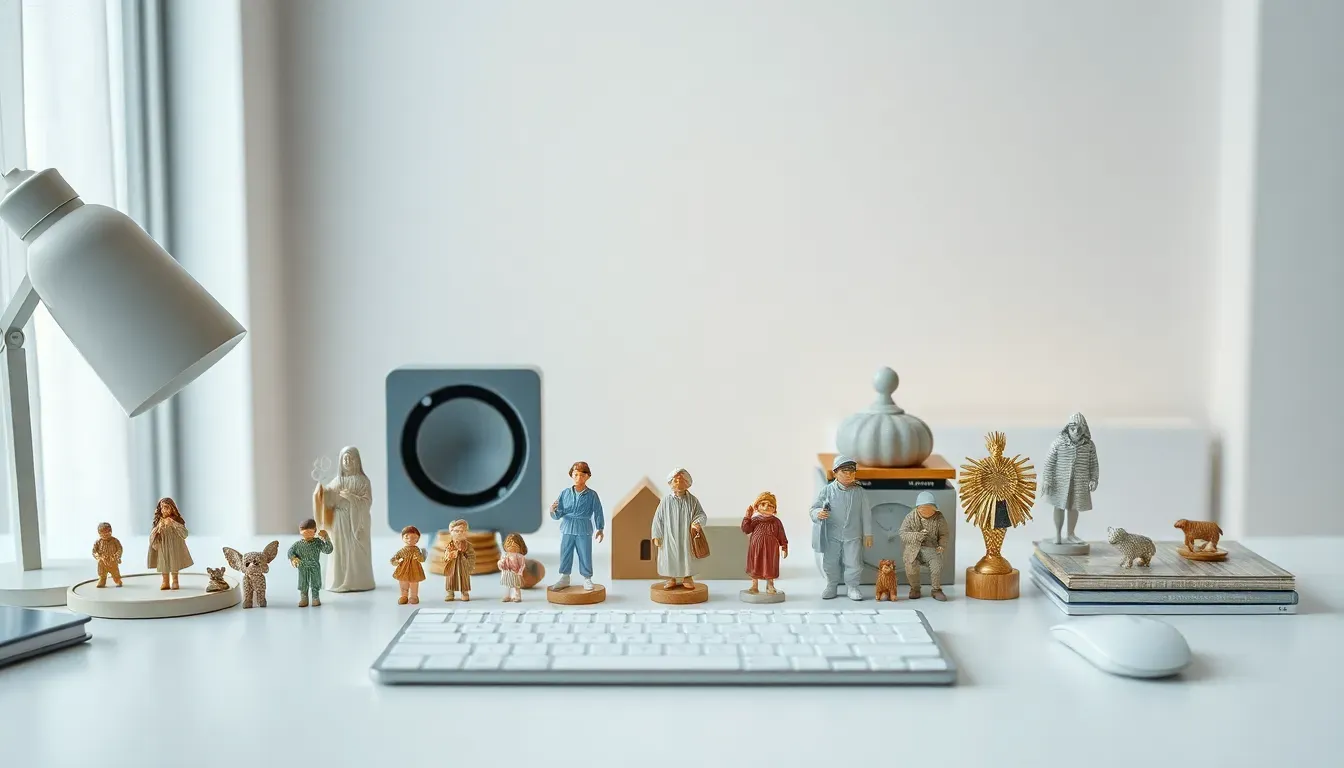
Unlike previous generations who inherited relatively stable identity frameworks, Gen Z constructs selfhood through deliberate choices. Every purchase becomes a statement, every object a pixel in their carefully composed digital persona. The Labubu isn’t just a toy—it’s visual vocabulary.
« In a social media landscape where aesthetics are a form of communication, trinkets become part of how people express emotion, personality, and belonging, » Dr. King explains. This transforms consumption into conversation. A pastel Labubu on someone’s desk communicates softness, playfulness, perhaps vulnerability. It signals membership in a community that values cute culture over corporate minimalism.
This curated identity work carries profound psychological weight. When traditional life milestones—homeownership, marriage, parenthood—feel increasingly unattainable, smaller identity markers gain significance. The trinket becomes proof of personhood in spaces where individual expression matters more than institutional validation.
Dr. King notes that Gen Z has « watched global crises unravel with pandemics, recessions, the climate emergency—so the big life goals that guided previous generations often feel out of reach. » When society’s promised rewards seem hollow, creating authentic self-expression through accessible objects becomes an act of resistance.
The Labubu collection becomes a form of digital body language, communicating what words cannot capture.
Inner Child Work And The Future Of Trinket Culture
This digital body language carries deeper psychological currents than mere aesthetic choice. Dr. King identifies a fundamental therapeutic process at work: « These soft, playful objects evoke feelings of safety, care, and nostalgia, things that might’ve been missing or cut short in early life. »
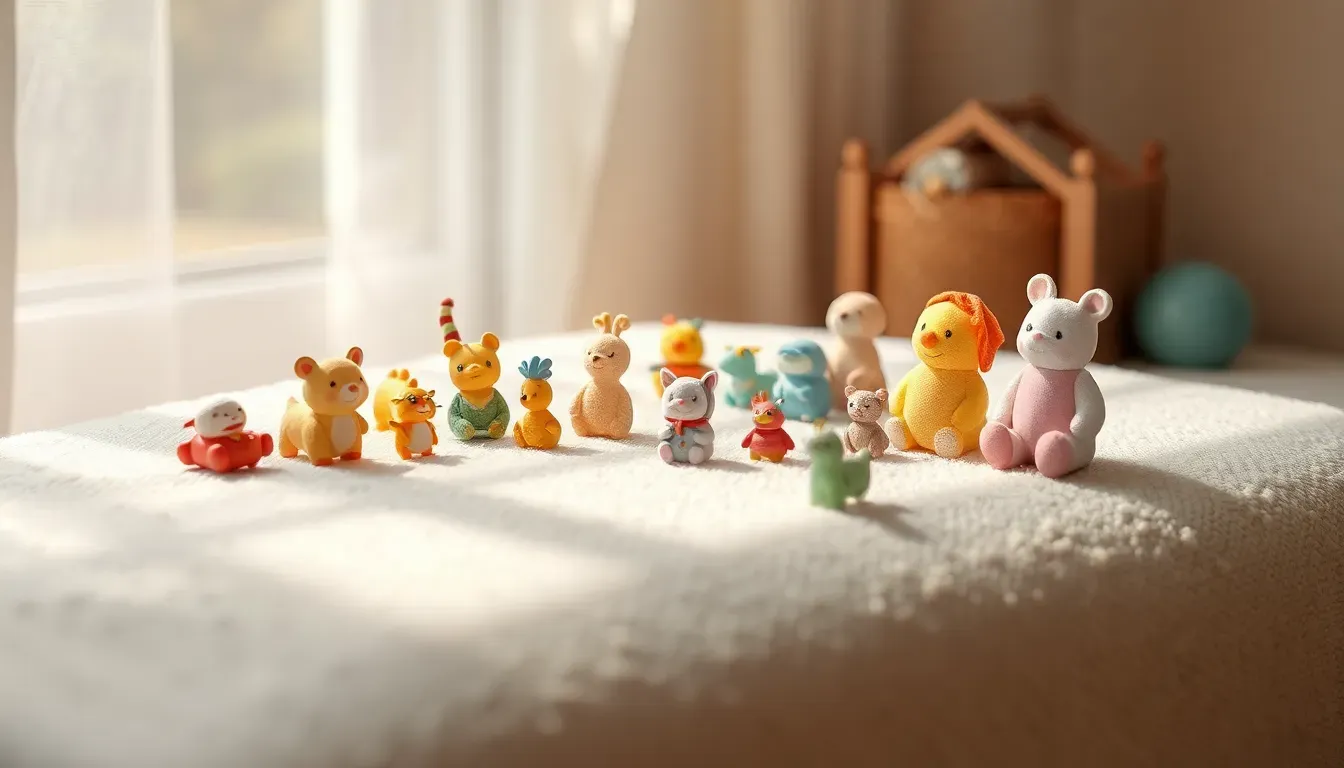
The Labubu phenomenon represents « inner child work in action. » Adults gravitating toward these deliberately childlike objects aren’t regressing—they’re healing. In a world that demands constant productivity and emotional regulation, these trinkets offer permission to embrace vulnerability and playfulness.
This therapeutic dimension explains the trend’s emotional intensity. Collections aren’t just accumulations of objects; they’re reconstructions of childhood safety nets. Each Labubu becomes a small guardian against adult anxiety, a tangible reminder that gentleness still exists in harsh environments.
The psychological roots run deeper than consumer culture. Dr. King explains that many buyers experience « a trip down memory lane, a sense of nostalgia » that addresses genuine emotional needs. When childhood was disrupted by digital overwhelm, economic instability, or global crises, these objects provide second chances at innocent comfort.
Dr. King predicts this trend will persist indefinitely. « As long as society remains fragmented, and demanding, people will continue to seek soft, small, symbolic ways to feel better. » The trinket culture isn’t fashion—it’s psychological survival strategy.
« It’s not a shallow trend. It’s a psychological response to the demands of modern life, » Dr. King concludes. The Labubu represents something profound: humanity’s refusal to surrender wonder in an increasingly wonderful-less world.