📌 Chicken blanquette: the traditional recipe that gains in flavor after a night in the refrigerator
Posted 2 March 2026 by: Admin
Chicken Blanquette: The Culinary Heritage Of Family Sundays
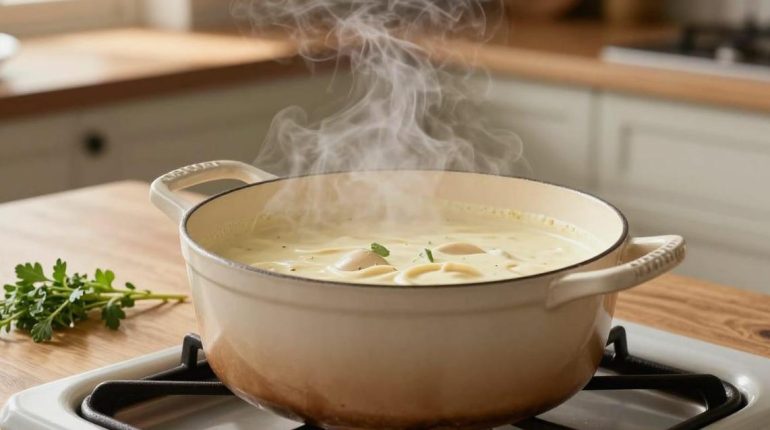
Chicken blanquette embodies that French culinary heritage that each generation passes down around a steaming casserole dish. This great classic of Sunday meals immediately evokes those afternoons when the entire house was filled with comforting scents, while the dish simmered patiently on the stove. Unlike its cousin, veal blanquette, this chicken version offers a welcome lightness while preserving the creaminess and generosity that make this preparation a success.
This dish represents much more than a simple recipe: it symbolizes those moments of family gathering where three generations meet around the table. The cast-iron pot, often inherited as well, becomes the stage for a slow alchemy where ingredients transform into a comforting dish that soothes as much as it nourishes.
This timeless recipe spans decades without aging a day, proving that traditional French cuisine has lost none of its relevance. In a world where everything accelerates, the blanquette imposes its peaceful rhythm, reminding us that a good dish is never rushed. It remains that awaited gustatory appointment, the one that brings back grown children and introduces the youngest to the authentic flavors of family gastronomy.
The Secrets Of An Authentic Preparation In 70 Minutes
This recipe that spans generations relies on precise gestures, inherited from the cooks of yesteryear. The first crucial step consists of cutting the chicken breasts into regular pieces, thus ensuring perfectly homogeneous cooking. But it is in the treatment of the meat that the secret of a successful blanquette lies: unlike roasted poultry, the chicken must only become pearly, never strongly browned. This technical nuance, often overlooked, allows the characteristic light color of the dish to be respected, faithful to its very name.
The aromatic base is built gently. The onion and garlic must sweat in butter for exactly three minutes, without ever taking on color. This gentle cooking develops subtle aromas while preserving that tenderness that distinguishes blanquette from other stews. The light roux that follows, formed by adding flour to the chicken pieces, constitutes the backbone of the velvety sauce. Each piece must be carefully coated: it is this step that will transform the broth into a smooth and shiny sauce.
The gradual pouring of the hot broth requires particular attention. Incorporated in successive touches while stirring, it avoids the formation of lumps and ensures this signature silky texture. Thirty minutes of simmering will allow the carrots and baby potatoes to reach that perfect melt-in-the-mouth quality, setting the stage for the final incorporation of the mushrooms.
Cooking In A Casserole: A Precise Orchestration Of Flavors
After thirty minutes of simmering, the carrots and potatoes have reached that sought-after tenderness that characterizes grandmother’s dishes. It is precisely at this moment, and not before, that the addition of button mushrooms takes place. This chronology is not trivial: incorporated too early, they would become waterlogged and fall apart in the sauce. Ten additional minutes are enough for them to reveal their woody aromas while maintaining their delicate texture.
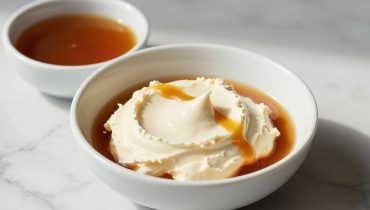
The final phase requires absolute vigilance regarding temperature. Once the sprig of thyme is removed, the heavy cream is incorporated over very low heat, without ever reaching a boil. This technical precaution protects the desired creaminess: at too high a temperature, the sauce would risk separating and would lose that characteristic shine. These last five minutes literally transform the dish, taking the preparation from a simple stew to an authentic blanquette worthy of Sunday tables.
The gradual pouring of the hot broth during the formation of the roux takes on its full meaning here: each step methodically builds layers of flavor. The vegetables, introduced according to their respective cooking times, converge toward this precise moment where all simultaneously reach their ideal texture. This perfect synchronization distinguishes mastered cooking from simple approximate simmering, revealing why some blanquettes leave a lasting mark on gustatory memories.
Tips Passed Down From Generation To Generation
This vigilance regarding temperature opens the way to a discreet but decisive perfection. During the last ten minutes, leaving the pot slightly ajar allows for a natural reduction of the sauce. Excess moisture gradually evaporates, concentrating the aromas while the texture refines. This simple gesture, inherited from the kitchens of yesteryear where cast-iron pots reigned on the stoves, transforms a successful preparation into a memorable dish.
Paradoxically, the true revelation occurs after the initial tasting. Reheated the next day, the blanquette reveals an unsuspected depth. A night of rest allows the aromatics to penetrate every fiber of meat, the broth to uniformly coat the vegetables, and the whole to form that harmony that only time can orchestrate. This maturation, known to grandmothers who willingly prepared their dishes the day before, disrupts modern culinary organization: anticipating becomes an asset rather than a constraint.
At the time of serving, simplicity is key. A bed of white rice delicately absorbs the creamy sauce, or the broth alone is enough, accompanied by the melting vegetables. Fresh herbs chopped at the last moment bring that note of greenery that revives the whole. These minimalist choices reflect the philosophy of this family cooking: letting authentic flavors speak rather than masking them under superfluous artifice.