📌 Cassava: why this root vegetable consumed by millions of people can cause irreversible paralysis if improperly prepared
Posted 18 March 2026 by: Admin
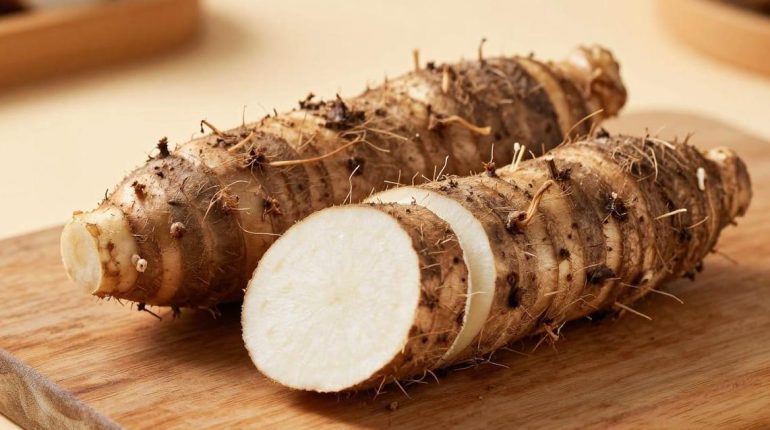
Cassava: The Daily Food of Millions That Hides a Deadly Danger
Millions of people across Africa, Asia, and Latin America consume this tuber every day, unaware that inadequate preparation could turn their meal into poison. Cassava, also known as yuca or tapioca, stands as one of the primary sources of dietary energy for hundreds of millions of individuals in the tropical regions of the world.
This starchy root has undeniable advantages: it adapts to difficult climates, grows in poor soils, and provides essential carbohydrates to vulnerable populations. Processed into flour, chips, bread, or even desserts, cassava has established itself as a major food crop in developing countries. Its ability to feed entire populations makes it a pillar of global food security.
Yet, behind this popularity lies a little-known reality: cassava naturally contains toxic compounds that, without proper treatment, can expose consumers to serious health risks. This duality between an indispensable staple food and a potential danger illustrates the crucial importance of traditional knowledge in food preparation. Understanding the mechanisms that make this tuber both vital and dangerous becomes essential for anyone who grows, cooks, or consumes it.
The Hidden Cyanide: Why This Popular Tuber Can Be Deadly
The toxicity of cassava lies in its natural chemical composition. This root produces cyanogenic glycosides, primarily linamarin and lotaustralin, compounds that release hydrogen cyanide when plant tissues are damaged or digested. This highly toxic poison directly interferes with the cells’ ability to use oxygen, thus depriving vital organs of their essential fuel.
The consequences of cyanide exposure can be dramatic. In the most serious cases, poisoning causes irreversible organ damage or leads to death. Even at moderate exposure levels, cyanide disrupts the normal functioning of the body and compromises fundamental cellular functions.
Not all cassava presents the same degree of danger. Sweet cassava, with its low cyanide content, proves to be safer and simpler to prepare, which is why it dominates international markets. Conversely, bitter cassava concentrates much higher levels of toxic compounds, requiring extensive processing through fermentation or prolonged drying. This fundamental distinction, however, does not erase an absolute rule: even sweet varieties must never be consumed raw. Thorough cooking remains the only reliable barrier between a nutritious food and a potentially deadly danger.
Symptoms and Consequences: From Acute Poisoning to Irreversible Neurological Diseases
The first signs of cyanide poisoning appear quickly after consuming improperly prepared cassava. Nausea, vomiting, and headaches occur first, accompanied by dizziness and intense abdominal pain. These initial symptoms signal acute intoxication that requires immediate medical intervention.
When exposure is prolonged, the manifestations worsen dangerously. Generalized weakness, extreme fatigue, and breathing difficulties testify to advanced cellular oxygen deprivation. Mental confusion and neurological disorders gradually set in, signaling the impact of cyanide on the central nervous system.
The most concerning clinical picture remains konzo, a devastating neurological disease linked to the repeated consumption of insufficiently processed cassava. This disorder causes irreversible paralysis of the legs that primarily strikes populations dependent on bitter cassava in regions where traditional preparation techniques have been abandoned or simplified. Victims, often children and pregnant women, permanently lose their mobility in just a few days.
Although these serious cases remain rare, their existence highlights an undeniable medical reality: cassava demands absolute respect for preparation protocols. The boundary between life-saving food and deadly poison depends on just a few essential steps, passed down for generations by the communities that have learned to tame this capricious root.
The 5 Mandatory Steps to Transform Cassava into Safe Food
These ancient steps constitute the only effective barrier against cyanide. The first step requires completely peeling the root, as toxins are heavily concentrated in the skin and outer layers. Superficial peeling is not enough: the flesh near the bark must be generously removed.
Cutting into small pieces then increases the contact surface with water. This fragmentation facilitates the release of cyanogenic compounds trapped in the plant cells. The finer the pieces, the faster the evacuation of harmful substances during soaking.
Immersion in water represents the crucial elimination step. Prolonged soaking allows the cyanogenic glycosides to gradually dissolve in the liquid. Some African communities maintain this immersion for several days, renewing the water regularly to maximize toxin extraction.
Thorough cooking constitutes the final safety lock. Boiling, baking, or frying the cassava until perfectly tender destroys the residual toxic molecules that soaking did not eliminate. Prolonged heat deactivates the enzymes responsible for converting the glycoside into free cyanide.
The cooking water concentrates all the extracted poisons: throwing it away immediately after use is an absolute rule. These five steps, passed down from generation to generation, radically transform the toxicological profile of cassava and guarantee its safe consumption for millions of people daily.