📌 Caramelized beef noodles: the high-heat technique that transforms a quick dinner into a restaurant dish
Posted 24 March 2026 by: Admin
The Recipe That Transforms An Ordinary Dinner Into An Asian Experience
Thirty minutes flat. That’s the time needed to transform 400 grams of sirloin into a dish that rivals the best Asian tables. Caramelized beef noodles rely on a simple but fearsomely effective secret: caramelization achieved by rapid cooking over high heat, without artifice or complex techniques.
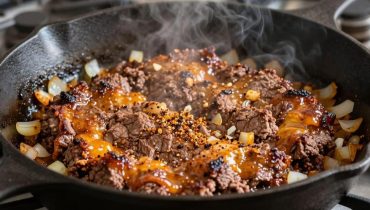
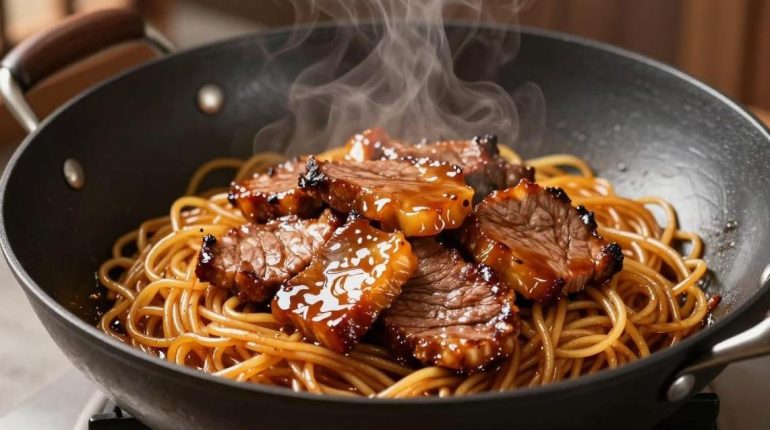
The balance between sweet and savory is no accident. It comes from a precise combination of soy sauce, honey, and a flash searing that transforms the meat. The result strikes immediately: a shiny surface, slightly crispy on the edges, coated in a rich sauce that adheres perfectly to the noodles. This double texture – tender on the inside, caramelized on the outside – makes all the difference.
The promise holds in three parameters: speed of execution, taste intensity, and the ability to feed three to four people without compromise. No need for sophisticated equipment or rare ingredients. A pan or a wok, a powerful heat source, and mastering a few gestures are enough. The contrast between this technical simplicity and the visual result explains why this dish consistently impresses.
The shiny, almost lacquered meat tells the story of mastered cooking on its own. But this success relies on precise steps that must be scrupulously followed to avoid classic pitfalls.
The Three Technical Steps That Make The Difference
This spectacular caramelization cannot be improvised. It relies on three technical gestures that radically separate a failed dish from a total success.
First decisive gesture: coating with cornstarch. Two tablespoons are enough to transform the surface of the beef. This thin film serves a dual function: it generates a slightly crispy texture during searing and naturally thickens the sauce at the end of cooking. Without this coating, the meat remains soft and the sauce liquid.
Second imperative: cutting the sirloin against the grain. This fundamental rule guarantees final tenderness. Thick or poorly oriented strips harden instantly under the effect of high heat. The thinness of the cut directly conditions the searing time and the quality of the caramelization.
Third golden rule: cooking over high heat for two to three minutes without stirring. This is where most fail. Constant stirring prevents the formation of that characteristic golden crust. The temptation to mix remains strong, but patience pays off. The meat must remain still to develop that shiny surface and those slightly crunchy edges.
Fatal error to absolutely avoid: overcrowding the pan. A wok that is too full causes the temperature to drop, turning searing into steaming. It is better to work in several batches than to compromise the whole. High heat remains non-negotiable, a mandatory step towards authentic caramelization.
The Caramelized Sauce: Formula And Flavor Balance
This technical mastery is only worth it if the sauce follows a precise formula. Six ingredients are enough to obtain this shiny glaze that perfectly coats the 250g of noodles.
The base relies on three tablespoons of soy sauce, complemented by a tablespoon of honey and one of brown sugar. This combination creates the characteristic sweet-savory balance. Oyster sauce, optional, brings additional umami depth. A teaspoon of vinegar cuts through the whole and avoids heaviness. Fifty milliliters of water slightly dilute the preparation to facilitate the final coating.
Methodical assembly ensures that each component retains its ideal texture. In a bowl, mix all the liquid ingredients until a homogeneous sauce is obtained. This preparation in advance avoids any improvisation during cooking, a phase where every second counts.
The vegetables come in just after removing the beef. Garlic, ginger, onion, and bell pepper sauté for two to three minutes in the same pan. They must remain slightly crunchy, never soft. This quick cooking preserves their structure and aromatic pungency.
The final assembly brings together meat, vegetables, and noodles in the wok. The poured sauce then triggers an immediate reaction. Two to three minutes of cooking over medium heat are enough for it to thicken naturally, thanks to the starch released by the beef. Each noodle is covered with a shiny film, each piece of meat shines under this caramelized glaze. The visual transformation confirms the technical success.
Personalization And Storage: Adapting The Recipe To Your Desires
This mastered formula lends itself to total flexibility depending on available ingredients or diets. Beef can give way to sliced chicken for a milder version, shrimp for a light seafood option, or firm tofu and shiitake mushrooms for a vegetarian variation. The essential remains: respecting cooking times and the starch coating.
The finishes transform the dish into a personal creation. A few toasted sesame seeds provide a subtle crunch. Sliced green onions, added off the heat, offer herbaceous freshness. A drizzle of toasted sesame oil as a final touch intensifies the Asian fragrance. For spice lovers, fresh chili or chili sauce enhances the whole without masking the caramelization.
Storage is simple. In the refrigerator, the dish keeps for two to three days in an airtight container. Reheating in a pan with a few tablespoons of water restores flexibility to the noodles and fluidity to the sauce. Freezing remains possible, although the texture of the noodles changes slightly upon thawing.
Each portion provides 450 to 550 kilocalories, 25 to 30 grams of protein, and a satisfying carbohydrate-lipid balance. Accompanied by a light Asian salad or sautéed vegetables, this recipe makes a complete dinner in less than thirty minutes. Spring rolls as an appetizer, a miso soup as a side: the meal shifts into an authentic Asian culinary experience without leaving your kitchen.