📌 Capirotada: why this Mexican pudding mixes shredded cheese and dried fruit to symbolize the Passion of Christ
Posted 4 March 2026 by: Admin
The Sacred Roots Of Capirotada
There are desserts that nourish the body, and others that nourish the soul. Capirotada belongs to the second category. This traditional Mexican bread pudding transcends its simple function as a dessert to become a vehicle for spirituality and family memory.
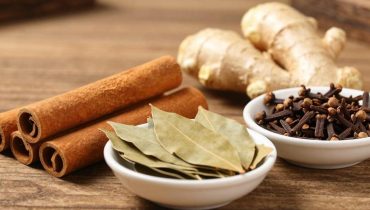
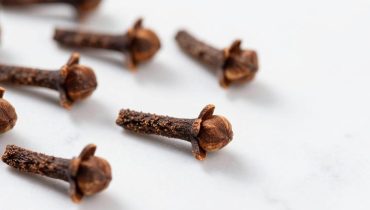
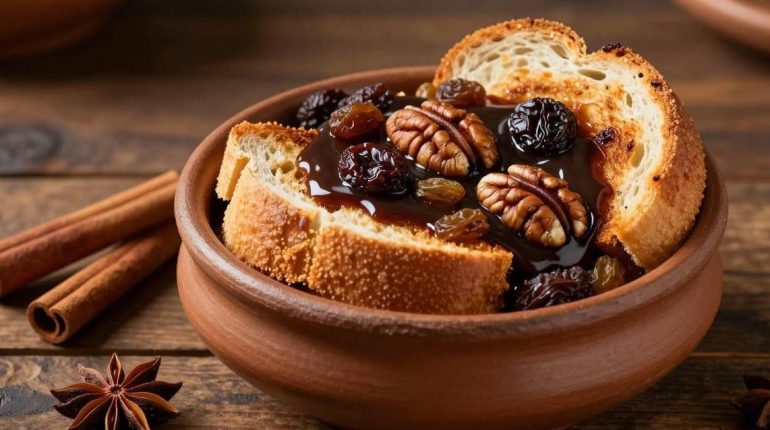
Served during Lent, particularly on Fridays, capirotada carries a deep religious symbolism that few dishes possess. Each ingredient tells a sacred story: the bread represents the Body of Christ, the syrup evokes His blood, the cloves symbolize the nails of the cross, while the cinnamon sticks recall the wood on which He was crucified. This spiritual dimension transforms the preparation into an act of devotion, where each added layer takes on a meaning that goes beyond cooking.
But beyond its religious scope, capirotada embodies the very essence of family transmission. Every Mexican family has its own version, its own ratio of ingredients, its secret touch that sets it apart. Yet, the heart of the dish remains unchanged across generations: humble ingredients—stale bread, raw sugar, dried fruits—metamorphosed into something extraordinary. This domestic alchemy, whispered from mother to daughter, from grandmother to granddaughter, makes each capirotada a living heritage.
The Alchemy Of Contrasts: What Makes Capirotada Unique
This metamorphosis of simple ingredients relies on a culinary principle that capirotada masters better than any other dessert: the balance of opposites. Unlike American bread pudding, which is creamy and uniformly sweet, capirotada reveals itself as a fascinating study of contrasts, where each bite simultaneously engages contradictory taste receptors.
The first contrast hits immediately: the piloncillo syrup unfolds a deep sweetness with notes of caramel and molasses, while the cheese—queso fresco or asadero—brings a rich saltiness that counterbalances this sweetness. This unexpected union of sweet and savory creates a gustatory complexity that Western palates rarely discover in traditional desserts.
The texture contributes just as much to this sensory symphony. The syrup-soaked bread achieves a melting, almost creamy tenderness, while raisins, pecans, and shredded coconut offer crunchy notes that prevent any monotony. Each layer reveals a new tactile surprise.
The aromatic architecture completes this picture: cinnamon, cloves, and star anise infuse the dish with a spicy warmth that instantly evokes ancestral Mexican kitchens. These aromatics don’t just scent—they transform, they transport, they anchor the dessert in a centuries-old tradition.
This mastery of contrasts explains why piloncillo remains irreplaceable. This unrefined cane sugar truly constitutes the soul of the dish, and no shortcut can reproduce its caramelized depth that binds all other elements into a paradoxical harmony.
Key Ingredients: Bread And Magic Syrup
This complex harmony rests on two indispensable foundations: the choice of bread and the preparation of the syrup. Without mastering these elements, even the best culinary intentions result in a disappointing imitation rather than the sought-after authenticity.
The traditional bread—bolillo or telera—constitutes the very structure of capirotada. These Mexican breads, similar to French bread but slightly softer, must be at least one day old. Fresh, they disintegrate into a shapeless mush under the weight of the syrup; stale, they retain just enough firmness to absorb the liquid without losing their integrity. Half-inch slices are toasted or fried before assembly, creating a protective barrier that preserves the dish’s layered texture.
Substitutes work—French, Italian, or any robust day-old bread—but sliced sandwich bread remains absolutely forbidden. Its soft structure guarantees failure.
The syrup represents the true family secret. Composed of piloncillo (two 8-ounce cones), four cups of water, cinnamon sticks, cloves, star anise, and optional orange zest, it transforms into a fragrant and complex liquid that metamorphoses everything it touches. Dark brown sugar can work in a pinch, but it will never equal the caramelized depth of piloncillo, that earthy molasses note that anchors the dessert in its Mexican terroir.
No shortcuts are allowed here. The syrup requires patience and respect for proportions—it is what carries the gustatory memory of entire generations.
The Complete Formula: Assembly Ingredients And Technique
The mastered syrup is only half the secret. The other half lies in the layered assembly that transforms these liquid foundations into edible architecture.
The ingredient list reveals an unsuspected regional diversity: two cups of shredded cheese (traditionally queso fresco or asadero, Monterey Jack as an acceptable substitute), one cup of raisins, one cup of pecans or walnuts, and then the optional elements that betray the geographical origin of each family recipe. Shredded coconut and sliced banana mark certain coastal regions, while crushed peanuts as a final garnish signal other terroirs.
The cheese always surprises the uninitiated. In a dessert, its salty presence creates that gustatory tension that distinguishes capirotada from any other sweet preparation. Half a cup of butter allows the bread slices to be toasted until they obtain that golden crust that will resist the deluge of syrup.
The ancestral method can be summarized in four ritual gestures: layering the toasted bread, generously sprinkling with cheese, fruit, and nuts, pouring the boiling syrup over everything, then baking until the aromas fill the kitchen. Each family adjusts the proportions according to their gustatory memory, but the ratios revealed here—the result of generations of perfection—guarantee the sought-after balance.
This mathematical precision hides a deeper truth: capirotada forgives neither hazardous improvisation nor approximation of quantities.