📌 Burdock root: how this millennial plant from Asia supports digestion and natural defenses
Posted 6 March 2026 by: Admin
The Little-Known History Of A Millennial Root With Rediscovered Virtues
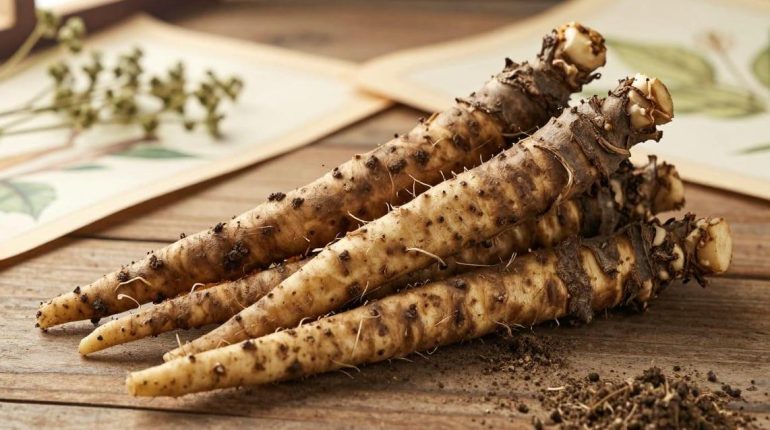
Long before the emergence of modern dietary supplements, a humble plant with long brown roots discreetly crossed centuries in the traditional pharmacopoeias of Asia and Europe. Burdock, known by its botanical name Arctium lappa, anchored itself deeply in fertile soils while becoming permanently inscribed in the knowledge passed down from generation to generation.
In Japan, where it is called gobo, this root with a subtly sweet earthy taste regularly appeared in nourishing soups and stews, valued as much for its crunchy texture as for its nutritional qualities. In medieval Europe, herbalists and healers integrated it into their preparations intended to support the body’s natural balance, intuitively recognizing what modern analysis reveals today: a remarkable concentration of antioxidants, flavonoids, and polyphenols.
This ancestral wisdom is experiencing an unexpected renaissance today. As consumers progressively turn away from synthetic solutions in favor of plant-based alternatives, burdock is reappearing on organic store shelves, health restaurant menus, and contemporary wellness routines. Not as a fantasized “miracle cure,” but as what it has always been: a modest plant food offering gentle support to the body’s natural processes.
This rediscovery perfectly illustrates how traditional practices, long relegated to the rank of folklore, regain their legitimacy when science confirms what patient observation had sensed.
Five Natural Properties Explored By Plant Users
Beyond its culinary heritage, burdock today intrigues researchers and practitioners for its bioactive compounds whose synergistic effects are beginning to be documented. Far from excessive therapeutic claims, five properties emerge from preliminary studies and converging traditional uses.
First asset: its richness in natural antioxidants. These plant molecules help protect cells from daily oxidative stress, the normal wear-and-tear process linked to metabolism and environmental aggressions. Integrated into a diversified diet, this cellular protection supports skin vitality and general energy balance.
Traditional herbalists have long associated burdock with the body’s natural elimination processes, particularly those involving liver and digestive function. Without claiming a spectacular “detox” effect, its regular consumption as an herbal tea effectively accompanies optimal hydration and conscious nutrition.
Third dimension explored: its immunomodulatory potential. The bioactive compounds it contains are the subject of studies for their possible role in maintaining a balanced immune system, particularly when part of a lifestyle including sufficient sleep and regular physical activity.
Some users also report increased physical comfort during periods of occasional tension, a use reflecting ancestral European and Asian practices. Finally, its notable dietary fiber content, particularly inulin, promotes harmonious digestion and nourishes the gut microbiota.
These properties converge toward the same evidence: burdock acts as a subtle support for an organism seeking balance, never as a substitute for appropriate medical care.
From Tea To Pan: Four Practical Ways To Integrate Burdock Into Daily Life
These theoretical properties find their full expression in the simplicity of culinary gestures. Burdock lends itself to a diversity of preparations that transcend cultural boundaries, from traditional Japanese cuisine to contemporary Western adaptations.
Herbal tea remains the most accessible approach. Simply slice the fresh or dried root thinly, plunge it into simmering water, and let it infuse for ten to fifteen minutes. This amber decoction, with its subtly earthy taste, is particularly appreciated after meals as a soothing digestion ritual.
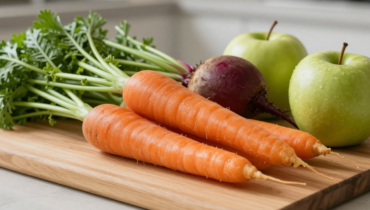
In the kitchen, burdock reveals its versatility. Cut into julienne strips, it enriches soups and broths with its melting texture and natural minerals. The Japanese integrate it into kinpira gobo, a classic stir-fry where it meets carrots and soy sauce. Its crunchy flesh also pairs well with raw salads, bringing an unexpected rustic note.
For those prioritizing convenience, dietary supplements offer a standardized alternative: capsules titrated in active principles, alcoholic mother tinctures, or concentrated liquid extracts. This modern form, however, requires vigilance regarding origin and, ideally, the advice of a health professional to adjust dosages.
Whichever method is chosen, regularity takes precedence over intensity. Burdock acts over time, fitting into a philosophy of progressive well-being where each daily gesture weaves lasting resilience. This patient approach resonates particularly in a world saturated with instant solutions.
A Philosophy Of Well-Being Rooted In Simplicity And Balance
This regularity finds its ultimate meaning when part of a global vision of health. Burdock in no way claims to replace medical follow-up or prescribed treatments, but it integrates harmoniously into a balanced lifestyle where whole foods, constant hydration, physical activity, and restorative sleep form a coherent whole.
The traditional expression “purifying root” goes beyond the physiological dimension to touch the symbolic. It evokes cyclic renewal, the capacity of living things to regenerate through simple gestures repeated with constancy. Far from the marketing promises of spectacular detoxifications, burdock embodies a humbler wisdom: that of progressive adjustments that respect the body’s natural rhythms.
This holistic perspective resonates particularly in an era where quick solutions are sought for imbalances often established over years. Integrating an ancestral plant into daily rituals constitutes an act of reconnection with a calmed temporality, where well-being is built through successive layers rather than brutal revolutions.
The true power of burdock perhaps resides less in its measurable compounds than in the philosophy it conveys: authentic well-being is born from constant and modest choices, rooted in the observation of nature and the transmission of knowledge. Each cup of tea, each root sliced into a soup then becomes a gesture of presence to oneself, an invitation to slow down to better inhabit one’s body and existence.