📌 Brioche French toast: why letting the bread go stale for 3 days changes everything in taste and texture
Posted 9 March 2026 by: Admin
Brioche Bread: The Secret Ingredient For An Exceptional French Toast
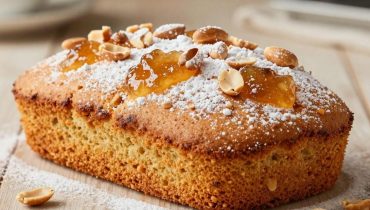
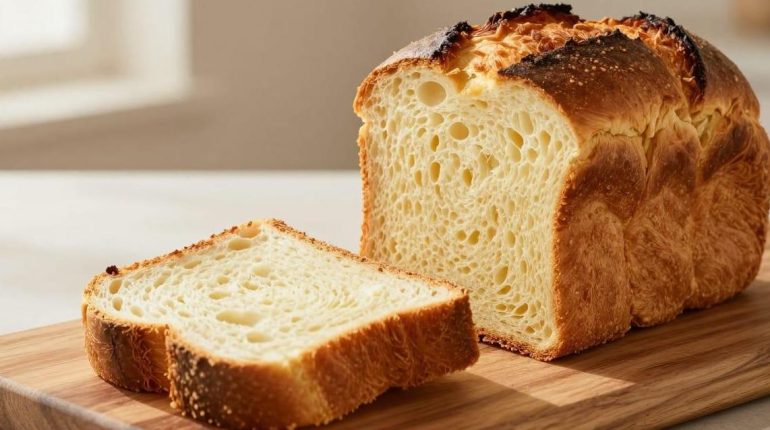
The difference between an ordinary French toast and a memorable culinary experience comes down to a single detail: the choice of bread. Here, there is no question of using just any slice. Brioche bread stands out as the preferred option for savvy cooks, and for good reason: its thicker texture and naturally sweet taste radically transform the final result.
The professional tip? Let the bread rest for exactly three days in the pantry. This controlled resting period allows the bread to go stale just enough to generously absorb the egg and cream mixture, without ever turning into soggy mush. Fresh bread, being too soft, collapses under the weight of the liquid preparation. Too dry bread, conversely, refuses to soak properly.
For those who haven’t planned ahead, a backup solution exists: arrange the slices on a rack and put them in the oven at 300°F for 5 to 8 minutes on each side. The goal is to dry the bread without browning it, artificially recreating the effect of time.
Alternatives? Challah bread offers comparable richness, though slightly less airy. Potato bread also makes an acceptable substitute. But brioche remains the gold standard: its dense, buttery crumb captures every note of vanilla and spice, guaranteeing that soft texture that makes all the difference at the first bite.
The Perfect Preparation: Whipped Cream And Warm Spices
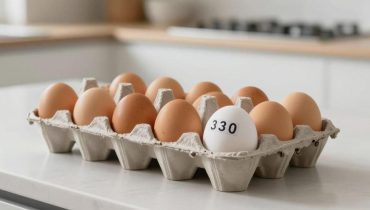
Once the bread is selected, everything depends on the composition of the mixture. Forget ordinary milk: heavy whipped cream (1 cup for 2 eggs) provides that velvety texture, almost similar to a crème anglaise. This precise ratio of ¼ cup of liquid per egg is no coincidence: it guarantees the perfect balance between creaminess and structure, avoiding that overly pronounced egg taste that ruins so many attempts.
Spices transform this creamy base into an aromatic symphony. Cinnamon and nutmeg bring those warm and comforting notes that characterize a successful French toast. Nutmeg, in particular, cuts through the richness of the cream with a subtle spicy touch. Pure vanilla extract (never imitation) adds that sweet authenticity without a metallic aftertaste. White granulated sugar completes the set, promising a golden caramelization on the surface.
The whisk must work until a perfectly smooth mixture is obtained, without granules or white traces. All ingredients must be at room temperature to merge correctly.
Then comes the soaking: each slice dives for 1 to 2 minutes per side into the fragrant bath. Not a second less, at the risk of a dry and disappointing center. Not a second more, at the risk of a catastrophic disintegration. The bread must come out soaked but never waterlogged, ready to reveal all its potential under the heat of the melting butter.
Mastered Cooking: Golden On The Outside, Soft On The Inside
The butter melts in the non-stick pan, the signal for the decisive moment. Temperature matters more than anything: medium-low heat only. Too high, the outside burns while the heart remains raw and doughy. Too low, the bread absorbs the fat without caramelizing, turning into a spongy disaster.
First, use a non-stick spray before adding the unsalted butter. This double protection prevents sticking and the carbonization of the butter, guaranteeing that uniform browning so sought after. Two to three minutes per side are enough to reach this golden perfection, this slightly crispy crust enveloping an interior as soft as silk.
Never overcrowd the pan. Two, maximum three slices per batch. Crowding creates steam, the sworn enemy of caramelization. Between each batch, wipe the surface, reapply spray and fresh butter. Burnt butter blackens the bread and ruins all the work accomplished.
Watch the edges: as soon as they take on that characteristic amber hue, flip with a firm gesture. The second side cooks faster, watch it closely. The ultimate test? A light finger pressure reveals that soft resistance, proof that the center has cooked without drying out. Serve immediately, while the magic is still happening.
Service And Storage: From Plate To Pantry
The French toast leaves the steaming pan, ready for its final transformation. A generous drizzle of pure maple syrup, delicately placed homemade strawberry whipped butter, a cloud of sifted powdered sugar: each topping amplifies this velvety richness. Artisanal jams – blueberry, peach, plum – bring that welcome acidity that cuts through the creaminess of the cream.
For a complete brunch, pair these golden slices with poached eggs, caramelized bacon with paprika and brown sugar, or a fresh fruit salad. Air fryer egg cups with ham and cheese create that savory-sweet contrast that delights the taste buds. Less than 30 minutes from whisk to table: ten minutes of preparation, ten of cooking, the perfect timing for busy mornings and lazy Sundays alike.
Leftovers keep for several days in the refrigerator, airtightly wrapped. Better yet, freeze them in portions of two slices, individually wrapped in plastic and then slipped into bags. Thaw in the fridge the night before, reheat in a hot pan for one to two minutes, or put in the air fryer at 400°F for exactly two minutes.
This flexibility transforms a sophisticated dish into a practical daily solution. Prepare a generous batch on Sunday, enjoy it all week without sacrificing that perfect texture or those comforting flavors that make brioche French toast much more than just a simple breakfast.