📌 Breton lobster and seasonal vegetables: the recipe for the tangy yuzu broth that enhances shellfish
Posted 6 February 2026 by: Admin
Selection And Preparation Of Breton Lobster
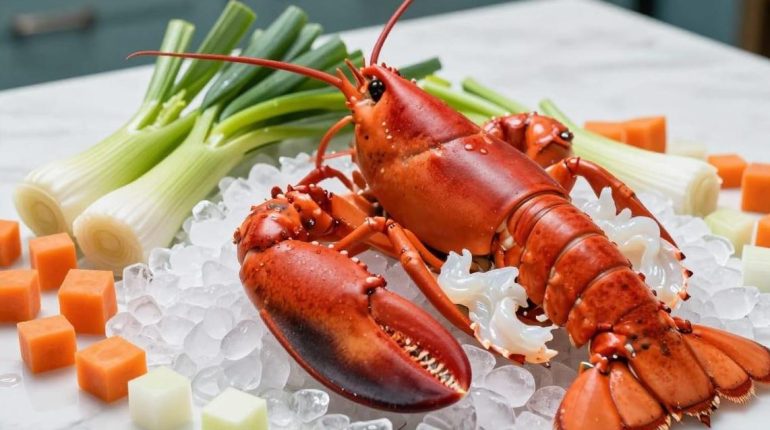
Breton lobster immediately stands out as the exceptional product of this gastronomic recipe. Four carefully selected specimens form the noble base of a dish that demands as much technique as respect for the product. The Breton origin guarantees irreproachable quality, these shellfish caught in the cold waters of the Atlantic offering firm and delicately iodized flesh.
The preparation follows a rigorous professional method. The claws and tails are extracted with precision before being fully shelled, thus releasing the flesh in all its purity. This apparently simple operation requires a certain know-how to preserve the integrity of the noble pieces. The heads are not sacrificed: meticulously crushed, they contain the essential juices that will later enrich the preparation.
The classic aromatic garnish then enters the scene. Onion, carrot, fennel and leek make up this traditional French base, cut into mirepoix in regular cubes of 6 to 8 millimeters. This millimetric precision is not trivial: it guarantees even cooking and optimal release of aromas. These melting vegetables will create the perfect setting to enhance the delicacy of the lobster, paving the way for the intervention of an unexpected ingredient that will transform this base into a true gastronomic signature.
The Aromatic Base And Noilly Prat
The crushed lobster heads become the foundation of a gastronomic preparation where French technical expertise is fully expressed. The vegetable mirepoix, cut with surgical precision of 6 to 8 millimeters, is about to reveal all its aromatic power in a mastered alchemy.
This is where Noilly Prat comes in, this emblematic French vermouth which constitutes the true signature of the recipe. One deciliter is enough to radically transform the preparation: this fortified wine with notes of citrus and spices deglazes the concentrated juices of the lobster, extracting from the crushed heads their deepest iodized essence. The alcohol evaporates, releasing its complex aromas, creating a stock of exceptional richness.
Thyme, this essential Mediterranean herb, harmoniously completes this winning trio. Its slightly camphorated notes balance the power of the vermouth while enhancing the natural finesse of the shellfish. This association is not the result of chance: it is part of the great French culinary tradition where the precision of gestures is combined with the accuracy of pairings.
This meticulously constructed aromatic base lays the foundations for a dish where each element finds its place in a skillfully orchestrated balance. It now remains to compose the vegetable setting that will highlight this refined preparation.
The Assortment Of Seasonal Vegetables
This carefully orchestrated vegetable palette brings together eight different varieties, selected for their graphic character as much as for their taste qualities. The mini carrots and mini turnips, eight of each, testify to an aesthetic research where the regularity of portions creates a visual harmony worthy of haute gastronomy.
The duo of cabbages reveals a mastered boldness: cauliflower, whether yellow or white, dialogues with romanesco broccoli whose fractal rosettes bring an almost architectural dimension to the plating. This textual and chromatic alliance transforms the plate into a true plastic composition, where each vegetable becomes a thought-out decorative element.
Brussels sprouts and red round radishes, also dosed at eight pieces, complete this vegetable symphony with their peppery and crunchy notes. The red onion, with its deep purple hue, punctuates the whole with a striking color contrast that dynamizes the final presentation.
This seasonal market gardening reflects a contemporary culinary philosophy where vegetables are no longer content to accompany the noble product, but assert themselves as protagonists in their own right. This multiplicity of textures and flavors prepares the ground for the exotic touches that will enhance the entire creation.
Exotic Touches And Cereals
This gastronomic fusion reveals its boldest character through the introduction of yuzu, this rare Japanese citrus fruit whose concentrated juice (10 cl) brings a complex acidity, both floral and lemony. This Japanese-style dimension deliberately breaks with French tradition while preserving the taste balance, the sugar (10 g) tempering the liveliness of the citrus fruit.
Lime and fresh ginger extend this Asian exploration with their pungent and refreshing notes, creating a subtle dialogue between the iodized sweetness of the Breton lobster and the aromatic vigor of the Orient. This unexpected association transforms the dish into a contemporary culinary manifesto, where geographical borders fade in favor of a universal taste harmony.
Kasha, these roasted buckwheat grains of Russian origin, constitutes the cereal base that anchors all these influences in an earthy texture and slightly toasted flavor. Its 100 grams form a nourishing bed that absorbs the juices, unifies the flavors and brings that rustic depth necessary for the balance of such an elaborate composition.
This exotic trilogy – Japanese yuzu, Asian ginger and Slavic kasha – illustrates a resolutely modern culinary signature, where Breton lobster becomes the pretext for a transcontinental gastronomic journey orchestrated with French precision.