📌 Breaded cutlet with Herbes de Provence: the French technique that transforms the classic schnitzel
Posted 10 March 2026 by: Admin
The Breaded Cutlet Revisited French Style
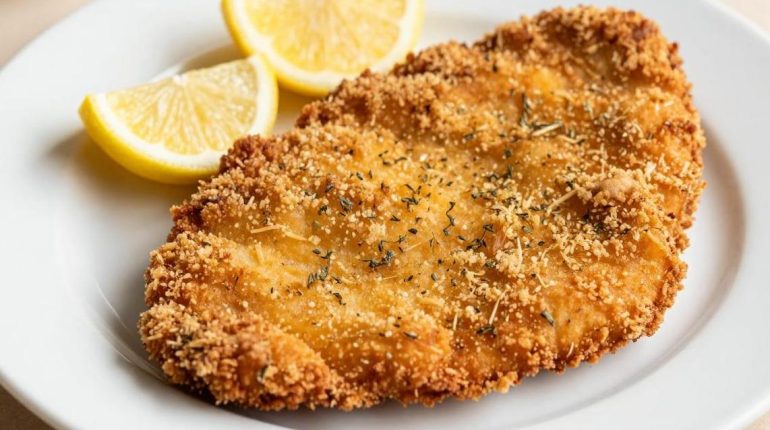
A handful of dried herbs in the breadcrumbs. That’s all it takes to transform an ordinary schnitzel into a breaded pork cutlet worthy of a Parisian bistro. Adding Herbes de Provence to the breading is not a culinary gimmick: it literally revolutionizes the taste experience.
The technique remains classic. Three meticulous steps: coating in flour to create an initial grip, passing through beaten egg which acts as a binder, then immersion in panko breadcrumbs mixed with Provençal herbs. These Japanese breadcrumbs, lighter and airier than their traditional cousins, guarantee that much sought-after crunch.
But it’s truly the herb blend that works the magic. As soon as it’s cooked in neutral oil over medium-high heat, the aromas fill the kitchen. “You wouldn’t think adding a few dried herbs to the breadcrumbs would make such a difference – but it does,” confides the chef. “You can really smell and taste the herbal aromas, and it makes the schnitzel a bit more refined.”
The golden crust that forms in two minutes per side not only traps the meat’s moisture but also diffuses that signature Provençal olfactory profile that radically distinguishes this cutlet from its Germanic or Austrian versions. A detail that changes everything.
The Secrets To Tender And Juicy Meat
This fragrant crust is useless if the meat underneath is dry. The secret lies first in the choice of cut: loin steaks, chops, medallions, or sizzle steaks are perfectly suitable. Slow-cooking cuts like shoulder should be avoided, as should overly fatty belly. If there is a bone, remove it. Excess fat too.
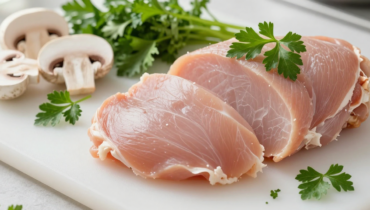
The crucial step occurs even before breading: flattening. Wedge the piece between two sheets of parchment paper or freezer film, then hit it with a mallet until it is exactly 0.5 cm thick. This precision is non-negotiable. Too thick, the inside won’t cook enough. Too thin, the meat dries out instantly.
“Controlling the thickness yourself is the key to a juicy result,” insists the chef. Pre-flattened sizzle steaks sold in supermarkets are often too thin to guarantee tenderness. A rolling pin or the back of a small pan effectively replaces a professional mallet.
Once flattened, the meat receives simple seasoning: cooking salt and freshly ground black pepper on both sides. Nothing more. The herbs will come from the crust. This methodical preparation ensures that every bite reveals rosy, tender meat under its golden, crunchy armor. The contrast in texture then becomes as striking as the Provençal scent.
Herbes De Provence, The Aromatic Treasure Of The South
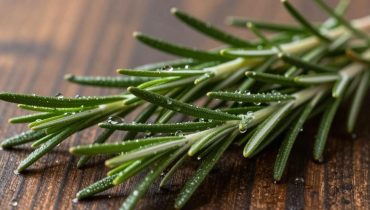
This incomparable scent that transforms the breadcrumbs comes from an iconic blend: Herbes de Provence. Thyme, rosemary, oregano, and savory (or marjoram) are assembled according to a culinary tradition from the South of France. This condiment holds a central place in French gastronomy – probably the most used dried herb blend in the country.
Traditionally reserved for roasted dishes, these herbs find an unexpected application here that reveals all their aromatic power. Frying in oil exalts their volatile essences, creating an olfactory cloud perceptible as soon as cooking begins. “You can really smell and taste the herbal aromas,” confirms the chef, surprised himself by the intensity of the result.
Savory is the traditional ingredient of the blend in France, but its rarity outside French borders poses a problem. Marjoram offers the most faithful substitute with its similar sweet herbal flavor. For those who cannot find the blend in specialty stores, the homemade recipe is disconcertingly simple: 4 teaspoons of dried thyme, 3 of rosemary, 1¼ of marjoram, and ¾ of oregano are enough.
Incorporating 3 tablespoons of this Provençal treasure into the panko breadcrumbs transforms an ordinary cutlet into a refined dish. Proportions matter: too little, the aroma is lost in the oil; too much, bitterness dominates. This accuracy transforms every bite into a sensory journey to the sunny hills of the Midi.
The Perfect Finish And Recommended Pairings
Culinary success is often decided in the final seconds. After 2 minutes of cooking per side until a golden crust is achieved, the cutlets are placed on a rack over a tray. This 2-minute resting time allows the fibers to relax and the juices to redistribute evenly throughout the meat.
Then comes the decisive step: a generous squeeze of fresh lemon and a pinch of fleur de sel. “It might seem insignificant, but it plays a very important role. Don’t skip it,” insists the chef. The acidity of the lemon cuts through the richness of the frying, revealing the subtlety of the Herbes de Provence that any elaborate sauce would mask. The lemon becomes THE sauce – simple, elegant, sufficient.
Classic accompaniments magnify this French cutlet: bistro-style Baby Gem salad adds crunch, velvety mash delicately absorbs the juices, green beans sautéed with garlic extend the Provençal note. For die-hard sauce lovers nonetheless, only gravy or honey mustard find favor – their discreet profiles respect the aromatic balance.
Storage: 3 days in the refrigerator in an airtight container, 3 months in the freezer with parchment paper between each cutlet. Reheating in the oven at 180°C revives the crunchiness of the crust – the microwave would irremediably soften the breading. Accompanied by a chilled Riesling, this midweek dish takes on the air of a weekend dinner.