📌 Breaded burrata and honey-roasted squash: the freezing technique that changes everything
Posted 28 February 2026 by: Admin
Breaded Burrata: A Bold And Technical Preparation
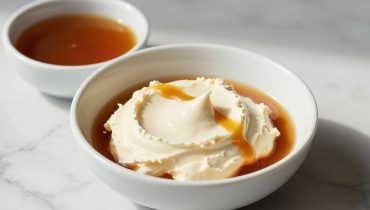
Transforming a creamy burrata into a crispy bomb requires precise technical mastery. Pre-freezing for 30 minutes is the absolute secret to this metamorphosis: it stabilizes the cheese’s structure before the frying ordeal, preventing it from collapsing in the boiling oil.
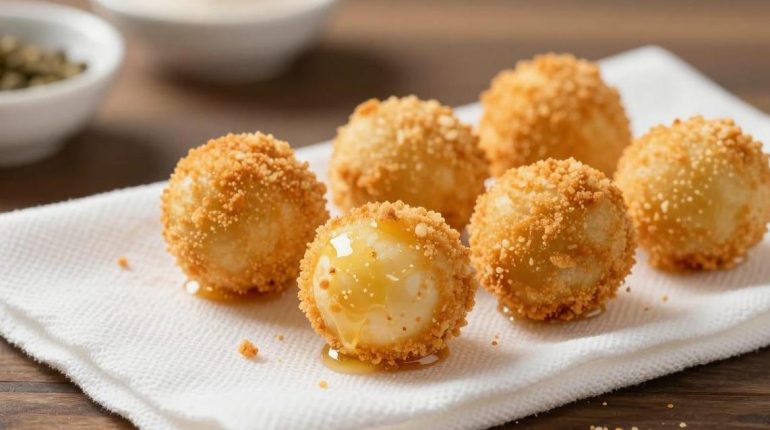
The triple coating follows a rigorous protocol. First the flour, which dries the damp surface. Then the beaten egg, which acts as glue. Finally the panko, the Japanese breadcrumbs with airy flakes, previously mixed with coriander and cumin. These oriental spices break the expected neutrality of a classic breading, infusing an unexpected aromatic dimension into the Italian cheese.
The 2-minute flash frying in hot oil creates the ultimate contrast: a golden, crunchy shell imprisons a heart that remains smooth, almost flowing. This express cooking leaves no room for error. Too long, and the burrata collapses. Too short, and the crust remains soft. Absorbent paper will collect the excess oil, preserving that saving crunch.
This culinary boldness transcends simple frying. It reinvents a cheese usually served plain, propelling it to the rank of a spectacular centerpiece that dictates the entire architecture of the dish.
Roasted Squash: The Honey And Spice Alliance In The Oven
While the burrata hardens in the freezer, the squash begins its own transformation. Cut into regular slices, it joins the garlic cloves and shallots on the tray, a classic aromatic trio that will structure the dish’s vegetable base.
The coating precedes the cooking. Olive oil lubricates, honey brings its caramelizing sweetness, while cumin and coriander seeds repeat the spicy notes of the breading. This aromatic redundancy is not accidental: it weaves a gustatory thread between the different elements of the dish, avoiding any sensory rupture.
Thirty minutes at 180°C are enough to perform the metamorphosis. The dry heat of the oven concentrates the squash’s natural sugars, caramelizing its surface while its flesh soaks up the oriental scents. The garlic and shallots melt, losing their harshness to become candied and sweet. The honey, under the effect of heat, creates that golden glaze that coats each slice.
This oven cooking is not a simple side dish. It generates the aromatic base on which the fried burrata will sit, creating a thermal and textural contrast that defines the recipe’s identity. The roasted vegetables, bursting with concentrated flavors, await their fusion with the pasta.
Garofalo Orecchiette: The Perfect Support For These Complex Flavors
As the squash and burrata finish their preparation, the pasta takes the stage. Exactly thirteen minutes in boiling water: this timing is not approximate. Garofalo orecchiette require this exact duration to reach their al dente texture, which will withstand mixing with the hot vegetables without turning into mush.
Their shape as hollowed-out “little ears” reveals its practical utility. These concavities are not an aesthetic whim: they become natural receptacles to capture the pieces of roasted squash, trapping the caramelized honey and spices in each hollow. A smooth penne would let the vegetables slide; the orecchiette holds them, ensuring a balanced distribution of flavors in every bite.
Garofalo, a Neapolitan brand renowned for the roughness of its pasta, provides that slightly abrasive surface that catches fats. The olive oil from the roasted squash adheres instead of stagnating at the bottom of the plate. This controlled porosity transforms the pasta into a true aromatic sponge.
The mixing happens immediately after draining. The still-steaming orecchiette welcome the warm vegetables, allowing the flavors to fuse without thermal shock. This neutral durum wheat base becomes the canvas on which the final spectacle will unfold: that of the golden burrata releasing its creamy heart upon contact with the hot pasta.
Final Assembly: When Texture And Flavors Harmonize
The moment of truth arrives. The roasted vegetables join the hot pasta directly, creating a first fusion where the spicy oil coats each orecchiette. The cumin and coriander, concentrated by the oven, diffuse into this steaming mass. The caramelized squash pieces slide into the pasta’s hollows, the candied garlic crushes into creamy vegetable touches.
At the center of this composition, the breaded burrata makes its entrance. Golden, crispy, still warm from its flash frying, it sits as a edible centerpiece. Its spicy panko crust contrasts visually with the beige of the pasta and the orange of the squash. But it is upon cutting that it reveals its true function: the stracciatella heart flows out, instantly transforming the plate into a smooth sauce, coating vegetables and pasta in a natural milky cream.
Crushed hazelnuts provide an unexpected crunch, intercepting the general sweetness with their toasted fragments. Each bite becomes a succession of textures: the melting squash, the al dente resistance of the orecchiette, the persistent crispness of the breading, the firmness of the hazelnuts.
Basil, added at the last minute, deposits its fresh and aniseed notes. This final herbaceous touch balances the richness of the cheese and the heat of the spices, reminding us that behind this technical construction lies a simple philosophy: letting each ingredient express its identity while participating in the collective harmony.