📌 Boiled papaya leaves: how this traditional preparation acts on blood platelets and digestion
Posted 18 March 2026 by: Admin
The Papaya Leaf: A Little-Known Treasure of Traditional Medicine
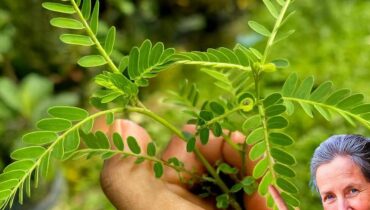
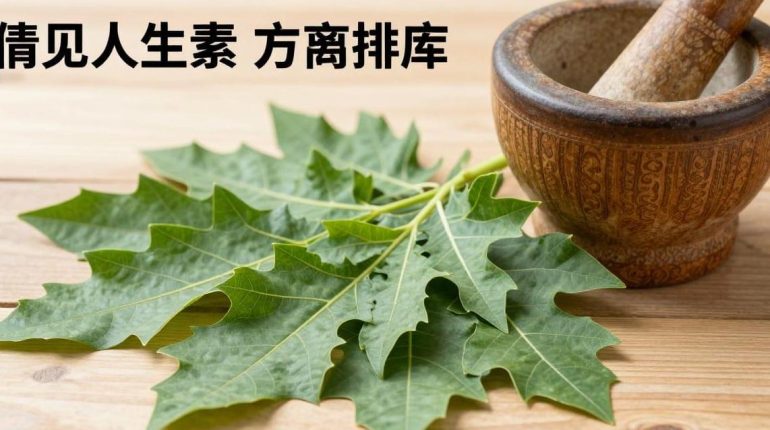
Papaya immediately evokes its fleshy and sweet fruit, prized on every table. Yet, its leaves, ignored by the general Western public, have for centuries been the pillar of ancestral wellness practices. In Asia, Africa, and Latin America, traditional healers use the decoction of Carica papaya leaves to relieve digestive disorders and strengthen the body.
This millenary wisdom is based on an exceptional composition. The leaves concentrate papain, a recognized proteolytic enzyme, flavonoids with antioxidant properties, as well as vitamins C and E in significant quantities. When boiled, these molecules are released into the water, creating a bitter but therapeutically dense herbal tea. Rural communities consume it regularly to soothe bloating, mild inflammation, and chronic fatigue.
Papain, present in high concentrations, facilitates the breakdown of dietary proteins. Flavonoids act as a cellular shield against oxidative stress. This molecular synergy explains why traditional practitioners prescribe this preparation long before the onset of acute symptoms, favoring a preventive approach. The oral transmission of this knowledge from generation to generation has allowed its survival into the modern era, where science is finally beginning to validate these empirical uses through rigorous studies.
Seven Potential Benefits Documented by Research
Western laboratories are beginning to confirm what traditional medicines have long claimed. Preliminary studies reveal that boiled papaya leaves could support the production of blood platelets, a crucial element of coagulation. Research conducted on dengue patients has shown an improvement in platelet levels after regular consumption, a result that is now attracting the attention of hematologists.
Digestive action is the most documented benefit. Papain, the major proteolytic enzyme in the leaves, breaks down complex dietary proteins into assimilable peptides. This fragmentation accelerates transit, reduces bloating and gas, and relieves occasional constipation. People suffering from chronic digestive discomfort report a notable improvement after two weeks of daily consumption.
Natural anti-inflammatory properties are also emerging from laboratory trials. The flavonoids and vitamin E contained in the leaves modulate the body’s inflammatory response, reducing biological markers associated with joint and muscle pain. Although human clinical studies remain limited, cellular analyses demonstrate a measurable decrease in pro-inflammatory cytokines.
Finally, immune support is based on the high concentration of antioxidants. These molecules neutralize free radicals, protecting cells from daily oxidative stress. Vitamins A, C, and E act in synergy to strengthen natural defenses, particularly during periods of seasonal vulnerability.
Cellular Protection and Metabolic Support
The liver, the central organ of detoxification, could benefit from the plant compounds concentrated in the leaves. Preliminary trials suggest that these molecules protect hepatocytes from oxidative stress generated by environmental and metabolic toxins. This cellular shield function proves particularly relevant in modern societies daily exposed to atmospheric pollutants and food additives.
Antioxidants contained in the decoction neutralize free radicals, unstable molecules that progressively damage cell membranes. This permanent protection slows down premature cellular aging and maintains tissue integrity. Flavonoids and vitamin E act as molecular guardians, intercepting these aggressors before they alter genetic material.
During convalescence, boiled leaves could facilitate energy recovery. Their richness in bioavailable nutrients improves the intestinal absorption of essential vitamins and minerals. Several traditional users report a decrease in chronic fatigue after three weeks of regular consumption, although these testimonies require rigorous scientific validation.
This global metabolic action transforms the leaves into a natural restorative tonic. Their ability to simultaneously support the liver, antioxidant system, and energy balance explains their persistence in ancestral pharmacopoeias, now facing the analytical gaze of contemporary research.
Preparation Method and Usage Precautions
Domestic preparation of this restorative herbal tea requires no specialized equipment. Three to five fresh leaves, carefully washed and cut, are immersed in a liter of boiling water. The infusion should simmer for twenty to thirty minutes to release active enzymes and phytochemical compounds. After filtration and cooling, the amber liquid gives off a characteristic vegetal bitterness, which can be softened by a spoonful of local honey or a few drops of fresh lemon.
This apparent simplicity must not mask essential precautions. People on anticoagulant treatment risk drug interactions, as papain potentially influences blood coagulation. Diabetics on medication should consult their practitioner, as some research suggests an influence on blood sugar levels. Pregnant women must abstain completely, as the alkaloids contained in the leaves are traditionally used to induce uterine contractions.
Side effects generally remain mild: transient nausea, slight gastric discomfort in sensitive stomachs. Allergic reactions, although rare, sometimes occur in people reacting to latex, as papaya belongs to the same enzymatic family. A moderate consumption of one to two small cups daily represents the optimal traditional dosage, avoiding any counterproductive excess.
This natural approach requires discernment and individual responsibility, combining ancestral wisdom and contemporary medical prudence.