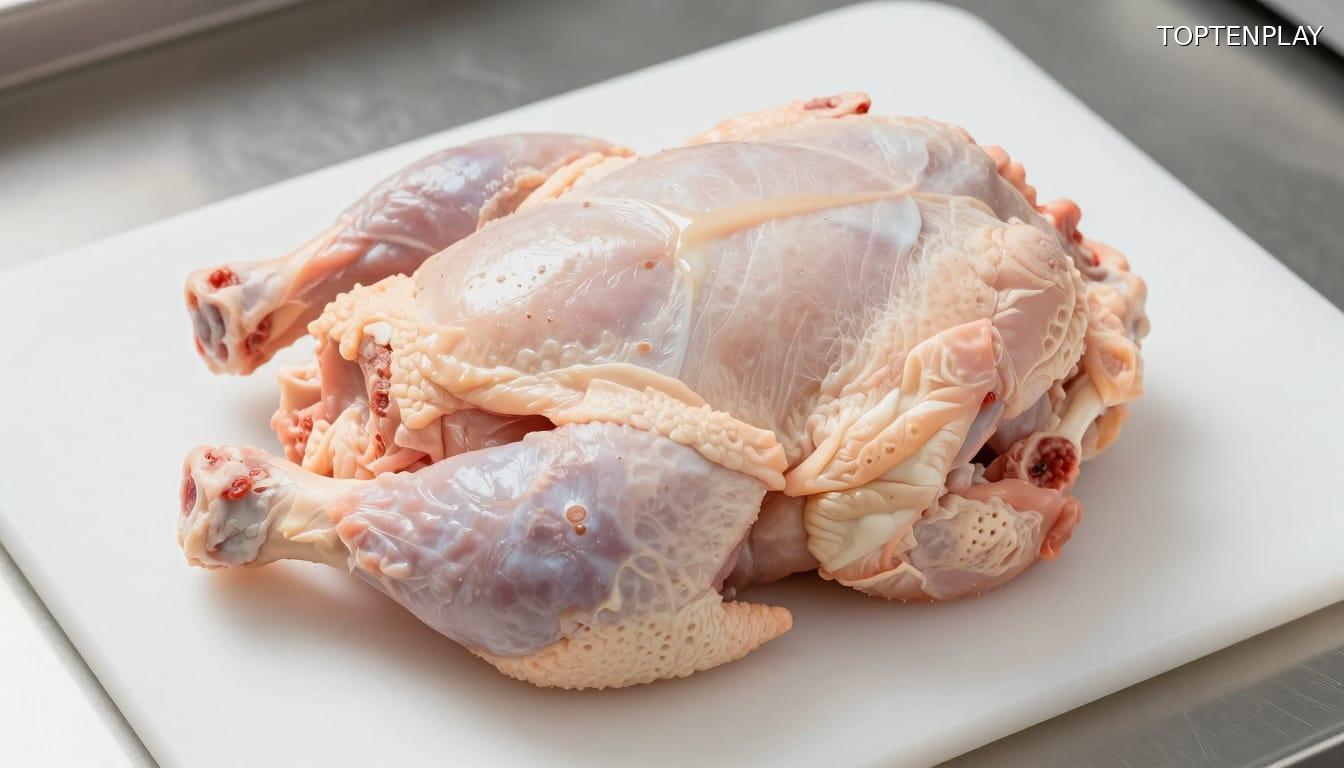
The Origin Of The Phenomenon: Understanding Why Bones Blacken
Discovering blackened bones in a perfectly cooked chicken naturally causes concern. However, this visual phenomenon originates in the physiological structure of young poultry. Unlike older chickens whose bones are dense and calcified, young specimens have a porous bone structure that allows blood to seep into the bone cavities during slaughter.
This blood infiltration remains invisible on raw meat. It is during cooking that the spectacular transformation occurs: the blood deposits trapped in the bones undergo an oxidation process under the effect of heat, gradually turning black. This natural chemical mechanism explains why certain pieces show this dark coloration concentrated around the bone structure.
The phenomenon intensifies considerably when the poultry has been frozen immediately after slaughter. The cold causes the bone marrow to expand, which, as it dilates, infiltrates further into the surrounding porous structures. This common industrial practice, aimed at preserving freshness, paradoxically accentuates the blackening visible after cooking. Chickens marketed frozen therefore present this characteristic more frequently than their fresh counterparts.
This biochemical reaction, although visually disturbing, simply testifies to the age of the bird and the preservation methods used.
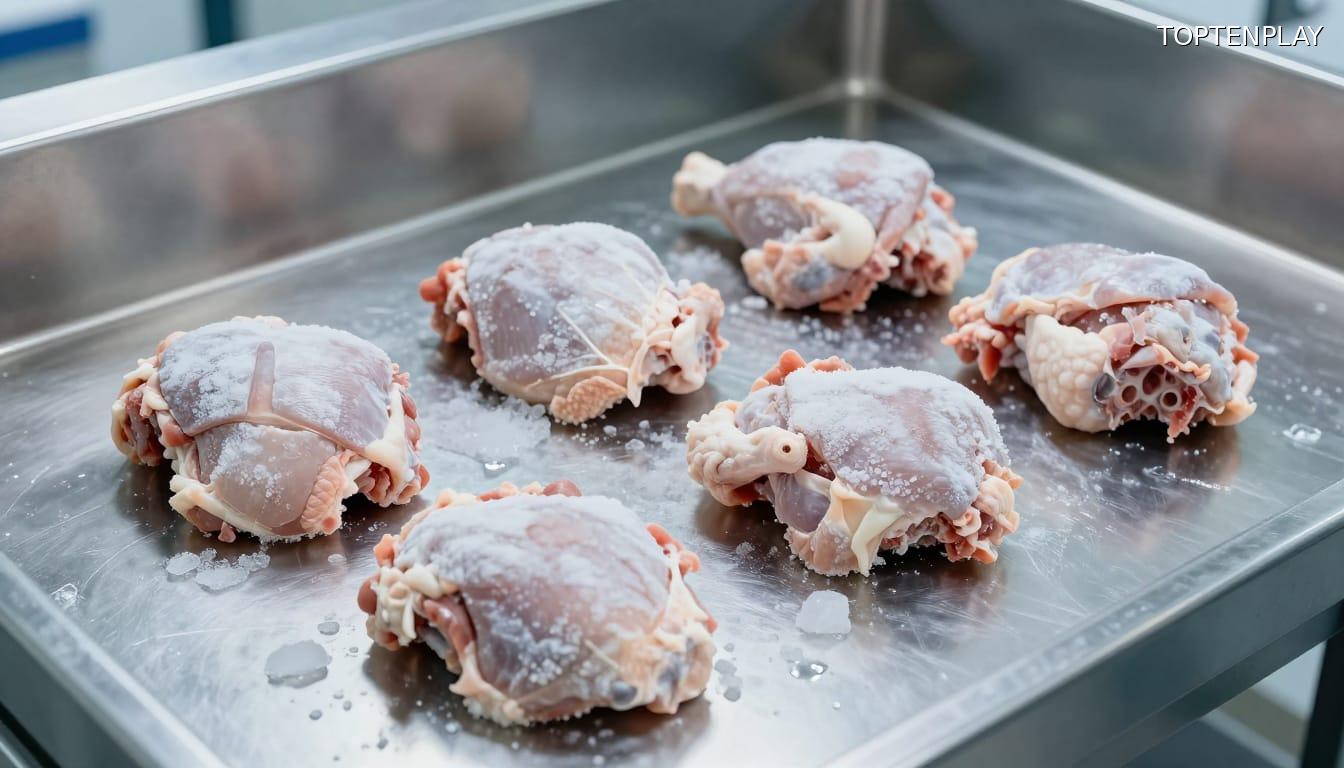
Aggravating Factors: When Freezing Comes Into Play
The timing of freezing determines the extent of the blackening observed. Industrial processors generally freeze carcasses within hours of slaughter, a period during which the bone marrow maintains its maximum fluidity. This speed, sought to guarantee microbiological freshness, paradoxically creates the ideal conditions for bone infiltration.
Under the effect of intense cold, the marrow expands suddenly in the porous bone cavities. This forced expansion pushes residual blood fluids toward the surrounding structures, literally saturating the bone structure with compounds likely to blacken. The process is similar to a water-soaked sponge being squeezed: the fluids penetrate every available gap.
Frozen industrial chickens therefore show a significantly higher prevalence of this phenomenon compared to farm poultry sold fresh. This difference is explained by the delay between slaughter and refrigeration: short circuits allow time for the marrow to stabilize naturally, limiting internal migration. Conversely, the ultra-fast cold chain, optimized for health safety, freezes fluids in their most mobile state.
This mechanism reveals how modern processing practices, while excellent for preservation, unintentionally accentuate certain visual reactions during domestic cooking.

Food Safety: Should You Be Worried?
This spectacular coloration does not constitute any health threat. The blackening results exclusively from the natural oxidation of the blood trapped in the porous bone structure, a chemical process that is completely harmless to the body. The dark pigments observed come from the transformation of hemoglobin under the action of heat, a reaction comparable to that which browns red meat during cooking.
Health authorities confirm that this discoloration signals no bacterial contamination or alteration of the product. It simply testifies to the youth of the poultry and the processing conditions, with no relation to the microbiological quality of the meat. A chicken with blackened bones but correctly cooked to the core remains perfectly edible.
The crucial distinction lies in identifying the real signs of spoilage: suspicious odor, slimy texture, grayish or greenish flesh. These indicators, absent in the case of simple bone blackening, reveal effective degradation requiring immediate disposal of the product. The dark bone, isolated from any other worrying symptom, remains a purely aesthetic phenomenon.
This physiological reality is reassuring: consuming poultry with blackened bones exposes you to no risk, provided that the fundamental rules of cooking and preservation have been respected.
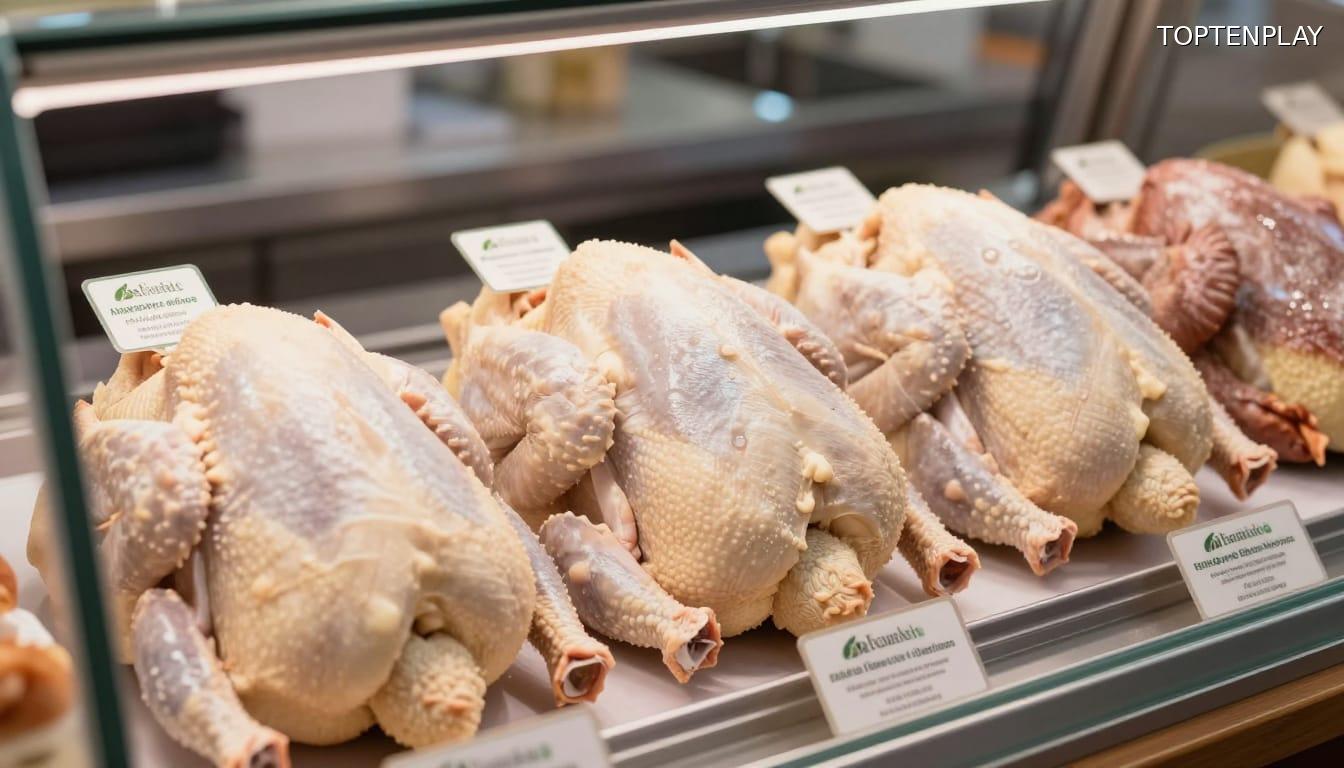
Practical Solutions: Minimizing Bone Discoloration
Although this phenomenon remains harmless, several strategies can limit its appearance. Choosing mature poultry is the first recommendation: their less porous bones hardly retain blood, drastically reducing blackening. Farm-raised or Label Rouge chickens, generally slaughtered at an older age, present this advantageous characteristic.
The choice between fresh and frozen products also influences the result. Refrigerated poultry that has never been frozen avoids the marrow expansion caused by crystallization, considerably reducing blood infiltration into the bone structure. This selection, although more expensive, guarantees optimal visual presentation.
The cooking technique plays a decisive role. Gentle methods at moderate temperatures limit visible oxidation compared to aggressive high-heat cooking. Roasting at 180°C rather than 220°C slows down the chemical transformation of hemoglobin, mitigating the dark coloration without compromising food safety.
To identify at-risk specimens before purchase, examining the labeling reveals valuable clues. Mentions like “young chicken” or “corn-fed chicken” frequently signal a porous bone structure likely to blacken. Conversely, designations like “farm chicken” or larger sizes generally indicate sufficient maturity to avoid this aesthetic inconvenience.
These simple adjustments transform a visual concern into a controlled detail, restoring confidence and serenity in the daily preparation of poultry.