Cutting open a potato only to find a dark ring or patch inside can be alarming — but it is rarely a sign of serious spoilage. This phenomenon is far more common than most people realize, and understanding its causes can save you from unnecessarily throwing away perfectly edible food. Here is what science and food safety say about the black ring inside your potato.
En bref
- —Dark rings are usually caused by internal bruising, not rot
- —Poor storage conditions can trigger a process called blackheart
- —Affected potatoes are often still safe to eat after trimming
A Surprise Hidden Beneath a Normal-Looking Skin
One of the most disorienting aspects of this phenomenon is that the outside of the potato gives no visible warning. The skin appears intact, the texture feels firm, and there is no obvious sign of damage — yet the interior tells a completely different story once the potato is cut open.
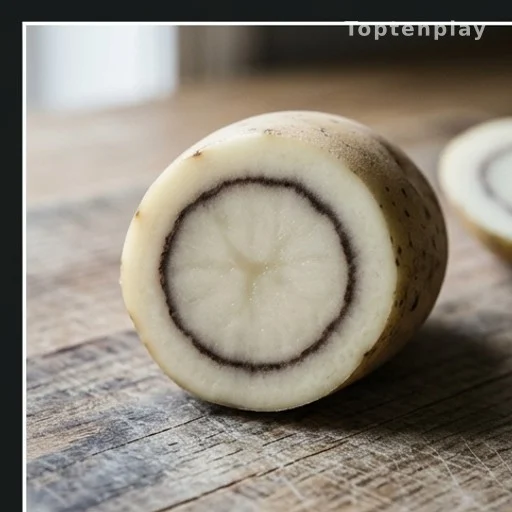
What appears inside is typically a dark circle, ring, or patch that can range in color from gray and purple to deep black. The contrast with the pale, starchy flesh surrounding it makes the discovery feel more alarming than it often is.
This disconnect between external appearance and internal condition is precisely what makes the black ring so startling. It challenges the common assumption that a potato which looks fine on the outside is fine all the way through — and it highlights just how sensitive these vegetables truly are.
Internal Bruising: The Most Common Culprit
The most frequent cause of dark internal rings is a condition known as internal black spot, or internal bruising. Despite their tough outer skin, potatoes have surprisingly delicate inner tissue that is vulnerable to physical stress.
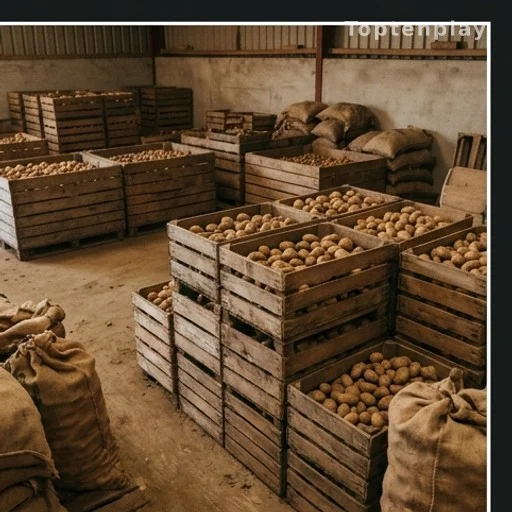
When potatoes are dropped, stacked too heavily, or bumped during transport and storage, the internal cells can be damaged without leaving any mark on the surface. That hidden trauma then manifests as dark discoloration once the potato is sliced open.
Natural oxidation also contributes to this process. Much like an apple turning brown after being cut, the vascular tissues inside a potato can darken when exposed to stress over time. This is a biological reaction, not a sign of contamination or rot.
Why potatoes bruise from the inside
Potatoes are tubers grown underground and harvested mechanically, meaning they endure significant physical handling before reaching store shelves. Their outer skin is designed to protect against surface damage, but the inner flesh remains sensitive to impact, temperature shifts, and oxygen levels. These biological vulnerabilities make internal discoloration a widespread issue in commercial and home storage alike.
How Storage Conditions Make Things Worse
Beyond physical damage, poor storage conditions are a significant driver of internal discoloration. Potatoes require stable temperatures and adequate airflow to remain healthy — conditions that are easy to overlook in everyday kitchens.

Storing potatoes in a refrigerator, for example, exposes them to temperatures that are too cold for their internal chemistry. Similarly, keeping them in poorly ventilated spaces can deprive the inner tissue of the conditions it needs to stay stable.
In more severe cases, oxygen deprivation inside the potato can cause a condition known as blackheart, where the center of the potato darkens significantly. Milder versions of this process appear as the rings or scattered dark patches that many home cooks encounter.
When to Cut Away and When to Throw Away
The key question for most people is whether a potato with a black ring is still safe to eat. In the majority of cases, the answer is yes — provided the potato meets a few basic conditions.

A potato is generally safe to use if it smells normal, feels firm, and shows no signs of mold or slime. The darkened areas can simply be cut away before cooking, and the rest of the potato can be used as usual.
However, potatoes should be discarded entirely when they become soft, emit an unpleasant odor, show green patches, or are heavily spoiled throughout. Green coloring in particular indicates the presence of solanine, a naturally occurring compound that can be harmful if consumed in significant quantities.
Understanding these distinctions helps reduce unnecessary food waste while keeping food safety a genuine priority. A dark ring alone is not a verdict — context and the overall condition of the potato are what matter most.
The black ring inside a potato is almost always the result of internal bruising, oxidation, or storage-related stress — not dangerous rot. While the sight can be unsettling, the practical response is straightforward: check that the potato smells fresh and feels firm, cut away the affected area, and cook the rest normally. Only when broader signs of spoilage are present should the whole potato be discarded. Storing potatoes in a cool, well-ventilated space away from refrigerator temperatures remains the best way to prevent the problem from occurring in the first place.