📌 Beef vegetable soup: why searing before simmering changes everything about the taste
Posted 18 January 2026 by: Admin
The Science Of Comfort: Why This Soup Transcends A Simple Meal
Behind every spoonful of this beef vegetable soup lies a chemical orchestration of remarkable precision. When the meat cubes meet the intense heat of the pan, the Maillard reaction kicks in: amino acids and sugars combine to create hundreds of complex aromatic compounds that then permeate the entire broth. This transformation, impossible to achieve without high temperature, constitutes the flavor foundation of the dish.
But the true magic happens during the prolonged simmering. Chuck roast cuts contain a high concentration of collagen, the connective tissue that makes the meat initially tough. Under the effect of gentle and constant heat for nearly two hours, this collagen gradually breaks down into gelatin, giving the broth that characteristic velvety texture that coats the palate. This molecular metamorphosis cannot be rushed: it is what differentiates an ordinary soup from a truly comforting broth.
The balance of the dish rests on a perfect triangulation. Root vegetables release their natural sugars during cooking, providing a subtle sweetness. Fire-roasted tomatoes introduce the necessary acidity to cut through the richness of the beef fat, while adding an almost imperceptible smoky note. This harmony between savory, sweet, and acidic simultaneously activates all taste receptors.
This culinary protocol is part of the heritage of the “perpetual stew,” those pots that once simmered for days in European and Asian kitchens. Every quality ingredient deserves this respect for time.
Invisible Architecture: Selecting Ingredients Like A Professional
This mastery of time is not enough without a rigorous selection of components. Beef chuck stands out as the centerpiece: its generous marbling and density of connective tissue guarantee that every fiber falls apart into tender shreds after long simmering. Lean cuts would produce dry and stringy meat, unable to release the essential gelatin.
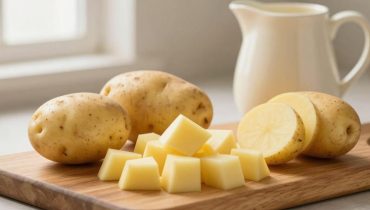
Potatoes play an overlooked structural role. Cut into large pieces, they gradually release their starch into the cooking liquid, creating a natural thickening of the broth without resorting to flour or cornstarch. This organic densification preserves the amber clarity of the consommé while giving it body.
The acidity of fire-roasted tomatoes is not limited to balancing the richness of the beef. Their prior thermal treatment develops a subtle smokiness that adds an extra dimension to the aromatic profile, avoiding the flatness of a simple tomato base. This complexity is perceived from the first inhalation over the steaming bowl.
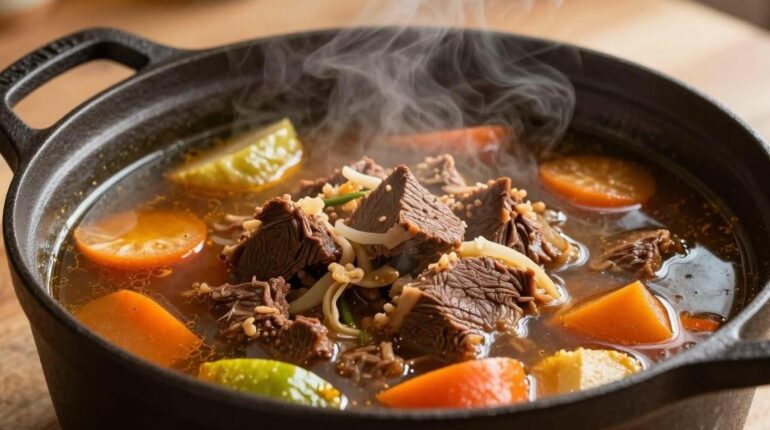
The aromatic hierarchy relies on celery for the volatile top notes, immediately perceptible, while dried thyme and rosemary build the background depth, those flavors that linger in the mouth after swallowing. Green beans, added in the last twenty minutes, provide the essential crunch: their firm texture contrasts with the tenderness of the meat and the creaminess of the root vegetables, while visually breaking the ocher dominance of the dish with their green brilliance.
The Masters’ Protocol: Five Steps To Absolute Perfection
This meticulous selection of components only unfolds its potential through the execution of a precise technical protocol. Intense searing is the first non-negotiable step: the beef cubes must be browned in small quantities in a heavy-bottomed pot, each side developing a caramelized crust. Overcrowding the vessel transforms searing into steaming, producing gray and tasteless meat. This surface chemical reaction generates the browned particles that adhere to the metal bottom.
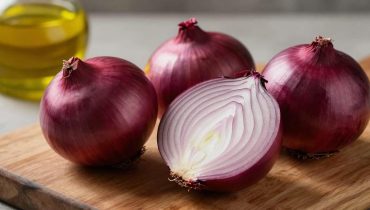
Strategic deglazing follows immediately. After removing the meat, sliced onions and celery cook in the rendered fat, while a wooden spoon methodically scrapes the caramelized juices. These concentrated fragments, dissolved by the moisture of the vegetables, form the aromatic foundation of the broth. Neglecting this scraping is equivalent to throwing away half the flavor.
Prolonged simmering then requires absolute patience: after adding the beef broth, tomatoes, and herbs, the liquid must barely simmer under a lid for one and a half to two hours. A vigorous boil would toughen the muscle fibers instead of tenderizing them. The ideal temperature maintains tiny bubbles lazily rising to the surface.
The staggered addition of vegetables prevents mushiness. Potatoes and carrots enter the pot first for twenty minutes before the green beans join them. This synchronization guarantees that each component reaches its optimal texture simultaneously. The final seasoning occurs in the last five minutes: a teaspoon of Worcestershire sauce or balsamic vinegar enhances the entire flavor profile with its concentrated acidity, revealing nuances that salt alone could not extract.
Troubleshooting And Customization: Mastering All Variables
This technical rigor does not guarantee the absence of obstacles. When the meat remains stringy after two hours, only one solution is necessary: extend the simmering. The collagen has not yet reached the thermal threshold required for its dissolution into gelatin. A translucent and thin broth is instantly corrected by mashing several pieces of cooked potato against the side of the pot—the released starch thickens the liquid in minutes. If an orange film floats on the surface, this excess fat is removed by skimming with a wide ladle during simmering.
Creative variations transform this classic base without denaturing its essence. Incorporating one hundred grams of pearl barley during the long simmer adds a nutty texture and rustic character. A pinch of red pepper flakes or a minced jalapeño with the onions installs a modern heat that revives the taste buds. Replacing a quarter of the broth with a dry Cabernet during deglazing confers a French-inspired gastronomic dimension, where the wine’s tannins reinforce the meat’s complexity.
Storage paradoxically optimizes this preparation: resting for twenty-four hours in the refrigerator remarkably intensifies the flavors through their mutual infusion. Sealed airtight, it keeps for four days in the cold. Freezing in individual portions in airtight bags preserves its qualities for three months—overnight thawing in the refrigerator followed by gentle reheating is enough to restore its integrity. This tolerance for time and cold makes this soup the strategic ally of the forward-thinking cook.