📌 Beef bourguignon without wine: red vinegar, tomato and broth for a dish that is just as tasty
Posted 31 December 2025 by: Admin
Making Beef Bourguignon Without Alcohol: Alternatives To Red Wine
Traditional beef bourguignon relies on 75 cl of red wine to enhance the meat. However, several substitutes make it possible to obtain a result that is just as tasty without a drop of alcohol.
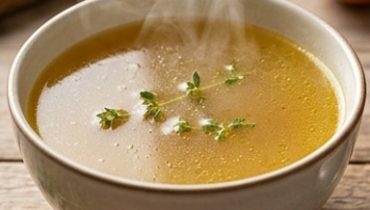
Red vinegar combined with sugar is the first alternative to create a full-bodied marinade that advantageously replaces wine. This combination provides the acidity and aromatic complexity necessary for the preparation. For the sauce, the alliance of tomato puree and balsamic vinegar offers comparable richness, while beef broths enrich the dish with authentic depth of flavor.
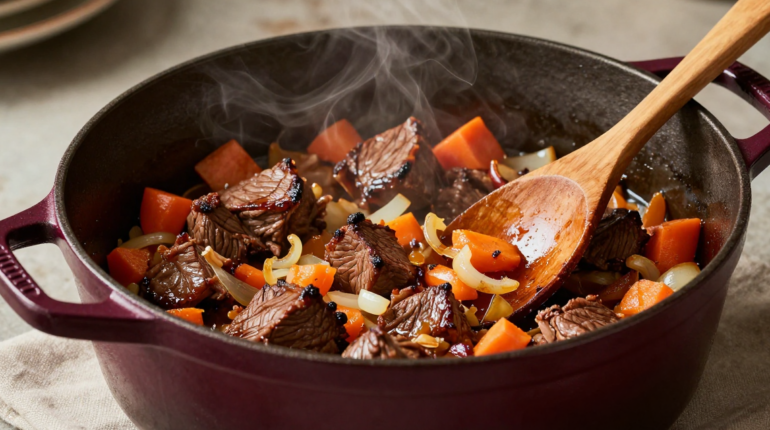
The cooking technique naturally adapts to these substitutions. In a thick-bottomed casserole dish, the vegetables cut into large cubes – carrots and onions – are first browned over high heat. The coarsely chopped pieces of beef are then browned on each side before adding the vegetables. The addition of flour, covered with a veal stock and tomato paste, replaces the traditional vinous liquid while guaranteeing the creaminess of the sauce.
This approach demonstrates that the essence of beef bourguignon lies less in the alcohol than in the balance between acidity, richness, and prolonged cooking time. The substitute ingredients respect this alchemy while making the dish accessible to everyone, without compromising on final quality.
The Best Beef Cuts For A Tender Result
The slow and prolonged cooking of beef bourguignon requires a rigorous selection of cuts. The secret to a perfect texture lies in the combination of three categories of meat with complementary properties.
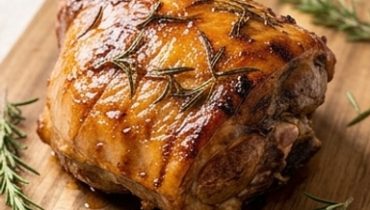
Lean cuts like chuck or blade steak guarantee tenderness after hours of simmering. Their fine texture gradually relaxes without falling apart, offering that characteristic melting sensation of the dish. Marbled pieces – brisket, neck, or short ribs – provide the fat necessary for the creaminess of the sauce and concentrate the flavors during cooking.
The third component, often overlooked, proves decisive: gelatinous cuts such as shank, shin, or oxtail. Their richness in collagen transforms during simmering into a silky texture that naturally binds the preparation. This native gelatin creates the much-sought-after velvety consistency without the use of artificial thickeners.
This tripartite combination is not a chef’s refinement: it constitutes the technical foundation of a successful bourguignon. Each category fulfills a precise function in the final balance of the dish. Asking your butcher to select these three types of cuts transforms an ordinary recipe into a gastronomic experience, where each bite reveals a different texture while maintaining overall harmony.
The Choice Of Wine For The Traditional Version: Criteria And Quantities
The combination of three types of meat establishes the texture, but the quality of the wine determines the aromatic depth of traditional bourguignon. Contrary to popular belief, the prestigious appellation matters less than the organoleptic characteristics: a well-chosen table wine always surpasses a spoiled or oxidized grand cru.
Pinot noir-based wines – Côteaux-Bourguignons or Passe-tout-grain – are the regional references par excellence. Their balanced tannic structure and fruity notes concentrate during simmering without dominating the meat. Any wine with a moderate tannic body and fruity expression is suitable, even outside Burgundy, provided it respects these fundamental criteria.
The quantity follows a precise rule: 75 cl of wine for 1 to 1.2 kg of meat. This proportion – a whole bottle for the sauce – ensures optimal cooking and sufficient reduction to concentrate the aromas. The alcohol evaporates gradually, leaving the tannins and aromatic compounds to coat the pieces. For larger portions, respect this ratio rather than arbitrarily increasing the liquid.
Regarding the cut, prioritize the shin, chuck, and blade for their ability to absorb the wine during simmering. These pieces develop a complex flavor in prolonged contact with the tannic liquid, transforming every fiber into an authentic concentrated taste of Burgundy.
Food and Wine Pairing: A Simple Rule To Enhance The Dish
The choice of cooking wine naturally determines the choice for serving. For beef bourguignon, the rule of harmony can be summarized as a disconcerting obviousness: serve exactly the same wine as the one in which the meat simmered. This perfect match avoids any aromatic imbalance, as the tannins in the glass respond to those already concentrated in the sauce.
Cooks hesitant about this uniformity can explore the Burgundy region without straying from it. Wines from the Côte de Nuits – Nuits Saint Georges or Gevrey-Chambertin – offer superior elegance while respecting the identity of the dish. Their more complex structure enriches the experience without masking the flavors built during the long simmering. This variety brings additional depth to the palate, amplifying the notes developed by slow cooking.
Warning however: Crémants de Bourgogne should be avoided during the meal, as their effervescence breaks the harmony created by the simmered dish. Reserve them exclusively for the aperitif, before the taste buds encounter the richness of the bourguignon. Regional coherence prevails, but the wine texture must match that of the dish: dense, fleshy, structured.
This simplicity of pairing frees the cook from complex calculations and guarantees a coherent taste experience, from the first cube of meat to the last sip.