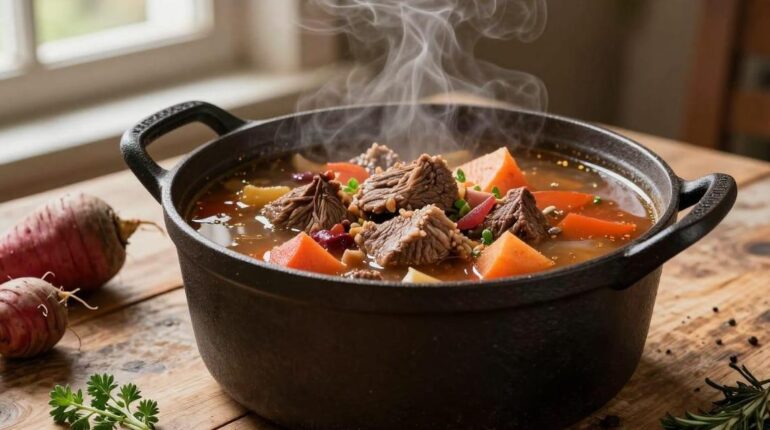
📌 Beef and vegetable soup: why browning the meat changes everything in your recipe
Posted 14 January 2026 by: Admin
The Historical Heritage Of A Universal Dish
Soups have been a pillar of human nutrition for millennia, reflecting the local ingredients and cultural preferences of each region. Beef vegetable soup, in particular, finds its roots in European homes where it represented much more than a simple meal: an ingenious winter survival strategy.
In France, Ireland, and England, this dish naturally established itself during the cold months. Irish families adopted it as a daily meal, combining affordable beef and root vegetables from the garden in a remarkable subsistence economy. This humble association fed entire generations without straining modest budgets.
Immigration to America transformed this tradition. Ancestral recipes merged with the abundance of the New World: golden corn, crunchy green beans, and juicy tomatoes enriched the traditional broth. This evolution illustrates the extraordinary adaptability of a dish born of necessity.
Today, beef vegetable soup transcends its status as a rustic dish. It embodies a successful synthesis between heritage and contemporary culinary requirements, proving that authenticity and modernity can harmoniously coexist in the same pot. This transformation reflects our changing relationship with food, where ancestral comfort meets current nutritional expectations.
Five Reasons Why Beef With Vegetables Is The Ideal Dish
This adaptability alone is not enough to explain the dish’s longevity. Its relevance rests on concrete advantages that meet contemporary needs with remarkable efficiency.
Thermal and emotional comfort constitutes the first undeniable asset. The warmth of a steaming broth penetrates to the bone on freezing days, while the familiar aroma instantly soothes accumulated tension. This comforting dimension transcends simple physical satisfaction to touch the emotions.
Nutritionally, the dish delivers a balanced meal in a single bowl. Beef provides quality protein, bioavailable iron, and essential B vitamins for energy metabolism. Vegetables complete this profile with their digestive fibers, protective antioxidants, and complete vitamin arsenal. This exceptional nutritional density eliminates the need for multiple side dishes.
Total adaptability represents the third decisive advantage. Each cook adjusts the recipe according to their preferences: butternut squash for more sweetness, pearl barley for satiety, kale for mineral intake. This flexibility transforms a single dish into an infinity of personalized variations.
Advance preparation optimizes time and flavors simultaneously. The broth intensifies its aromas overnight in the refrigerator, allowing you to cook once to feed the whole week. Finally, economic profitability appeals to tight budgets: affordable cuts of meat, seasonal vegetables, and basic ingredients compose an accessible feast without compromising taste quality.
The Strategic Selection Of Founding Ingredients
This economic accessibility does not dispense with rigor in the choice of components. The final quality depends directly on decisions made at the market, where each ingredient fulfills a precise function in the taste balance.
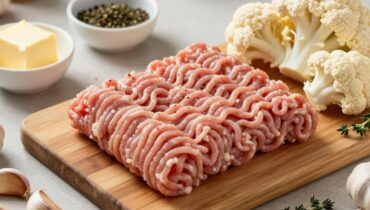
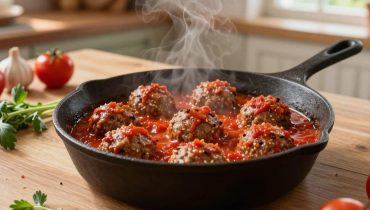
Marbled beef constitutes the cornerstone of the dish. Chuck, brisket, or stewing meat contain enough connective tissue to release their aromatic richness during prolonged cooking. Prior browning develops essential caramelization: this Maillard reaction transforms surface proteins into savory compounds that then permeate the entire broth.
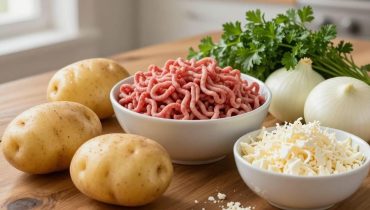
The vegetable architecture is built in three complementary layers. Sweet roots (carrots, potatoes, parsnips) provide texture and natural sweetness. Structuring aromatics (onions, garlic, celery) form the indispensable aromatic base for any slow-cooked preparation. Nutritious greens (kale, spinach, green cabbage) are added at the end of cooking to preserve their vibrant color and concentration of heat-sensitive vitamins.
The liquid foundation deserves particular attention. A homemade broth or a premium commercial version guarantees a depth of flavor that water alone cannot offer. A splash of red wine or a spoonful of tomato paste amplifies this richness through their balancing acidity.
The classic aromatic palette (bay leaf, thyme, rosemary, parsley) readily accommodates contemporary boldness. Smoked paprika, cumin, or even a hint of ginger subtly transform the character of the dish without betraying its comforting essence.
Technical Mastery And Creative Evolutions
This rigor in ingredient selection finds its culmination in a structured methodology of six successive steps. The initial browning of meat dried with paper towels creates that indispensable caramelized crust. In the same pot, sautéed aromatics recover the golden juices from the bottom, true flavor concentrates. Deglazing with broth or wine releases these precious residues before the return of the meat and the addition of the main liquid.
Prolonged simmering for 90 to 120 minutes transforms tough fibers into melting tenderness. Root vegetables join the preparation from this phase to fully develop their sweetness. Fragile greens integrate into the broth during the last fifteen minutes only, thus preserving their nutritional and chromatic integrity.
Three golden rules guarantee success: scrupulously respect cooking times, cut vegetables into regular pieces for even cooking, and taste progressively to adjust seasoning with precision.
This technical base allows for four major creative variations. The spicy version integrates chilies or hot sauce. The Italian version enriches the broth with fresh tomatoes, pasta, and basil. Asian inspiration mobilizes soy sauce, ginger, and bok choy. Enrichment with grains (barley, rice, quinoa) transforms the dish into an even more substantial preparation.
The slow cooker method offers an attractive alternative: six to eight hours of slow cooking dissolve the collagen and fuse the aromas without constant supervision. Service then adapts to all occasions, accompanied by crusty bread, poured over starches, topped with grated cheeses, or presented as a refined starter.