📌 Bay leaf and wrinkles: what science really says in the face of viral web promises
Posted 20 March 2026 by: Admin
Bay Leaf: From The Kitchen To A Viral Beauty Phenomenon
On social media, a bold claim is igniting beauty discussions: bay leaf is said to be “100,000 times more powerful than Botox” and would erase all wrinkles, even at age 70. Is this Mediterranean condiment, omnipresent in our stews, becoming nature’s best-kept anti-aging secret?
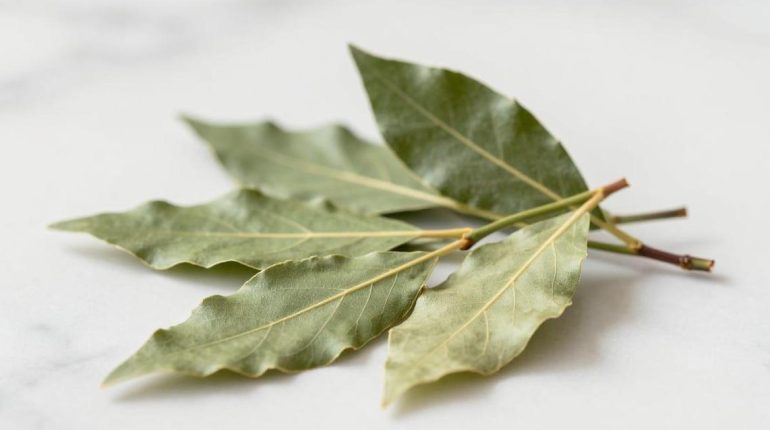
Behind this viral buzz lies Laurus nobilis, the evergreen tree whose aromatic leaves have flavored traditional cuisine for centuries. Used in folk medicine to treat wounds and digestive disorders, this herb is now experiencing an unexpected renaissance: that of a “natural Botox” praised by millions of internet users seeking alternatives to injections.
The craze is explained by a growing distrust of invasive treatments. Faced with the high costs and risks of aesthetic procedures, many are turning to accessible plant-based solutions. Blogs and influencers are multiplying spectacular promises, claiming that this simple leaf “erases wrinkles and fine lines without needles or surgery.”
However, one observation is clear: scientific evidence validating these anti-aging uses remains largely non-existent. While popular tradition attributes various virtues to the bay leaf, no rigorous clinical study confirms its ability to compete with professional dermatological treatments. Between ancestral folklore and digital marketing, the line becomes blurred. Does this aromatic herb really deserve its status as a Botox rival, or is it just another viral illusion?
Botox Vs Bay Leaf: Sorting Fact From Fiction
To understand the extent of the misinformation, one must first understand what Botox actually is. This medical neuromodulator works by temporarily blocking nerve signals to the facial muscles, thereby reducing the contractions responsible for expression lines. Its effectiveness is based on a precise pharmacological mechanism, validated by decades of clinical studies.
The bay leaf, on the other hand, possesses no neuromodulatory properties. No scientific research has ever demonstrated that it could paralyze muscles or reproduce the action of Botox, regardless of its concentration. The claim that it is “100,000 times more powerful” is pure invention, without any medical or biochemical foundation.
The comparative table reveals fundamental differences. On one side, a standardized professional treatment, administered by trained practitioners, with measurable and reproducible results. On the other, an aromatic herb with modest antioxidant virtues, traditionally used to soothe the skin but never to erase wrinkles.
Cost and accessibility do not change this reality: a cheap alternative that does not work remains ineffective, even if it appeals through its simplicity. Viral posts exploit this confusion between mild skin benefits and radical anti-aging transformation, creating unrealistic expectations in a public vulnerable to miracle promises.
The scientific verdict is final: bay leaf does not replace or rival Botox. It remains to be identified what it can actually contribute to the skin.
The Real Skin Benefits Of Bay Leaf
While bay leaf cannot compete with injections, its biochemical compounds present measurable properties for skin health. Phytochemical analyses reveal a significant concentration of antioxidants — notably polyphenols and caffeic acid — capable of neutralizing free radicals responsible for oxidative stress. This mechanism helps preserve tissue elasticity and slow down collagen degradation, without, however, reversing established wrinkles.
Anti-inflammatory properties constitute the second documented benefit. Certain compounds like eugenol and cineole have a soothing action on skin irritations, reducing redness and mild inflammation. This ability to calm the skin can improve its overall appearance, creating a visually smoother surface — a purely cosmetic, not structural, effect.
Traditional applications via steam or infused oil exploit a third mechanism: temporary stimulation of microcirculation. Heat and volatile aromatic compounds promote superficial blood flow, momentarily improving hydration and complexion. This effect, while real, remains fleeting and does not modify the dermal architecture.
The fundamental nuance lies in the scale of action. Where Botox actively restructures muscle contractions, bay leaf offers preventive antioxidant support and moderate soothing effects. These benefits exist but remain incomparable to the transformations obtained by medical treatments. Understanding this distinction allows for the intelligent use of the ingredient, with expectations adjusted to scientific realities.
Safe Use And Realistic Expectations
With this scientific understanding established, it remains to define responsible application protocols. The most common method is a facial steam: boil 5 to 7 dried leaves in a liter of water for 8 to 10 minutes, let cool slightly, then lean over the container at a distance of 15-20 cm with a towel over your head. This technique uses volatile compounds to temporarily stimulate circulation without aggressive direct contact.
The alternative of a natural toner involves a concentrated infusion, filtered and cooled, applied with a cotton pad to previously cleansed skin. Regardless of the method, a prior skin test is essential: apply a small amount to the forearm and wait 24 hours to detect any reaction. Bay leaf essential oil, which is particularly concentrated, can cause irritation or redness on sensitive skin — it requires systematic dilution in a neutral vegetable oil, never pure application.
Delicate areas around the eyes and lips should be avoided. For people with reactive skin, eczema, or undergoing dermatological treatment, a prior consultation with a dermatologist avoids complications. This is not an excessive precaution: allergic reactions to Lauraceae, although rare, do occur.
The realistic positioning of this ingredient determines its utility. Bay leaf is a low-cost natural complement in a preventive care routine, not a substitute for professional treatments to correct established signs of aging. Integrated with discernment and adjusted expectations, it joins the practices of gentle cosmetics — effective in its limited scope, ineffective against the disproportionate viral promises that continue to circulate.