📌 Basil flowers: 8 culinary and wellness uses to transform this garden waste into a resource
Posted 25 March 2026 by: Admin
Basil Flowers: An Edible Treasure Too Often Ignored
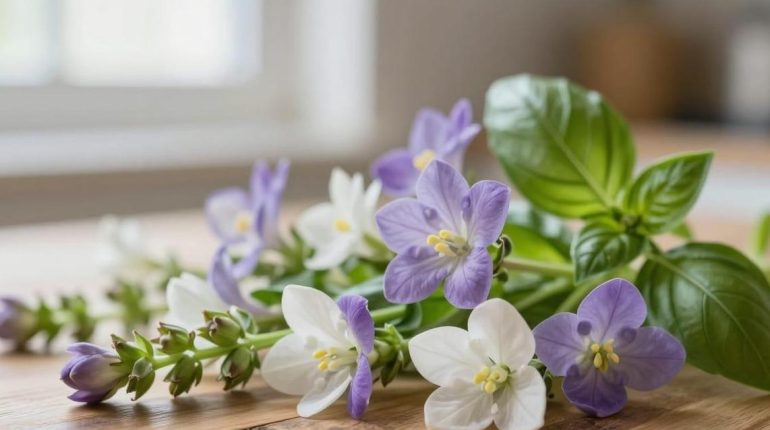
Most gardeners grow basil for its fragrant leaves. But when the first flowers appear, these delicate white or purple corollas almost systematically end up in the compost. A mistake that deprives one of unsuspected resources.
Basil flowers are entirely edible and remarkably aromatic. In many traditional cuisines and herbal practices, they are valued as much as the foliage, sometimes more. Their flavor profile differs slightly: milder, more floral, with a variable intensity depending on the variety grown.
Sweet basil offers subtly peppery notes. Thai basil develops more pronounced aromas. Holy basil reveals a particular sweetness. This aromatic diversity opens a spectrum of uses that few cooks exploit.
These flowers are consumed fresh, dried, or infused. They share the properties of basil while bringing a distinct olfactory dimension, less herbaceous, more subtle. Coming from the same plant, they offer total food safety and surprisingly varied culinary, therapeutic, and cosmetic applications.
Before eliminating them mechanically during pruning, these blooms deserve a second analysis. Their potential transforms a simple maintenance operation into an opportunity for creative diversification.
Four Immediate Culinary Uses To Enhance Your Dishes
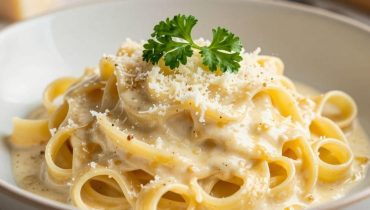
These flowers instantly transform the appearance of a dish. Scattered over a salad, a plate of pasta, a freshly baked pizza, or a bowl of soup, they provide a presentation worthy of a professional restaurant. Their delicate aroma enhances preparations without masking other flavors. The trick: add them just before serving to keep their color and scent intact.
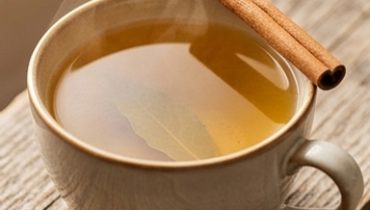
Infusion constitutes a second remarkable application. One to two teaspoons of fresh or dried flowers, infused for 5 to 8 minutes in hot but not boiling water, produce a light and soothing tea. The floral, subtly vegetal taste is particularly suitable for evenings. Many consumers report relaxing effects and appreciable digestive comfort.
Maceration in oil extends their shelf life while creating a versatile aromatic base. Dried flowers covered with olive or sunflower oil, sealed for two to four weeks, then filtered: the result integrates perfectly into vinaigrettes, roasted vegetables, or bread dips. The infusion transmits the herbaceous aroma with an elegance superior to classic methods.
Incorporation into softened butter, with a pinch of salt, generates an exceptional condiment. On toast, grilled corn, fish, or simple pasta, this basil flower butter brings a refined touch. Frozen in individual portions, it remains available for several months, transforming any ordinary dish into a spontaneous gastronomic creation.
Preservation And Transformation: Exploiting Every Bloom
Beyond immediate culinary applications, these flowers lend themselves remarkably well to prolonged storage. Hanging drying is the simplest method: small tied bunches, hung upside down in a shaded and dry space, then stored in airtight jars. This technique preserves the aroma with surprising efficiency, creating a reserve usable all year round for infusions, seasoning blends, or scented sachets for wardrobes.
Flavored vinegar offers a colorful and functional alternative. Fresh flowers immersed in cider or white wine vinegar, left to macerate for two to three weeks, produce a condiment that is both visually attractive and tastefully complex. This vinegar enriches vinaigrettes, marinades, homemade sauces, and canning preparations, bringing a distinctive aromatic signature absent from standard commercial products.
Traditional cosmetic applications exploit their sweet scent and soothing properties. Infused oils for skin care, relaxing baths, foot soaks, or natural balms: dried flowers are easily integrated into domestic formulations. Complete filtration of the plant material before skin application remains essential to avoid any irritation.
Seed harvesting represents the most forward-thinking use. Letting the flowers ripen on the plant until completely dry, then gently crushing them to extract the seeds, guarantees a free crop the following season. This practice also preserves favorite varieties, transforming each bloom into a sustainable horticultural investment rather than organic waste.
The Wise Gardener’s Strategy: When To Let Bloom
This preservation approach raises a fundamental horticultural question: should one systematically pinch off flower buds to prolong leaf production? The answer depends on your goals. Removing flowers indeed stimulates vegetative growth, but allowing partial flowering opens access to complementary resources without totally sacrificing the leaf harvest.
An optimal method is to divide your plants into two groups. The first, pruned regularly, provide a continuous supply of fresh foliage for daily cooking. The second, left free to flower, generate the edible flowers, reproducible seeds, and intensified aromas characteristic of the mature plant. This staggered planting maximizes benefits without giving up the primary use of basil.
Seed saving deserves special attention. Unlike F1 hybrids whose seeds produce unpredictable plants, traditional varieties reproduce faithfully. A packet of commercial seeds generally costs between three and five euros; a single plant left to go to seed generates several hundred viable seeds. This yield transforms each bloom into a multi-year investment, eliminating recurring purchases and allowing sharing with other gardeners.
Flowering therefore represents less of a defeat than an opportunity for diversification. This perspective transforms basil management into a circular system where nothing is wasted, where each vegetative stage brings its specific contribution to the garden and the kitchen.