📌 Avocado pit: why experts advise against the wellness trends touting it
Posted 13 February 2026 by: Admin
An Unknown Treasure At The Heart Of The Avocado: Why The Pit Fascinates
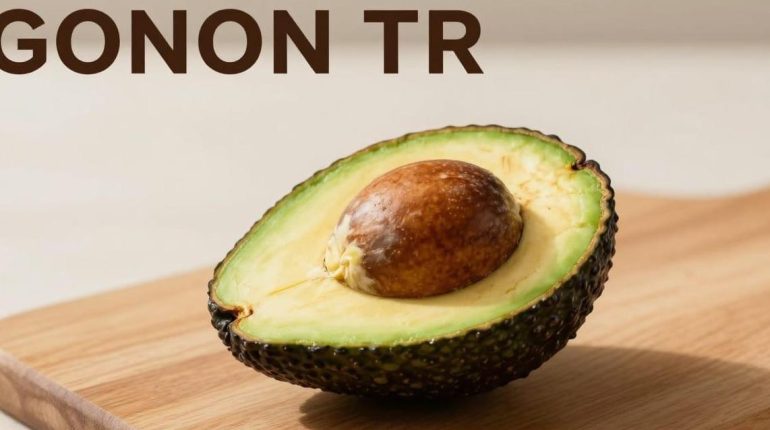
Every year, millions of avocado pits end up in the trash without a second thought. Yet, this pit represents 13 to 18% of the fruit and concentrates polyphenols, antioxidants, and phytochemical compounds that science is only beginning to explore. On Instagram, TikTok, and in wellness communities, this ordinary waste is undergoing an unexpected metamorphosis: some see it as a zero-waste ingredient with unsuspected virtues, others as a digestion ally capable of reducing bloating and restoring general balance.
This fascination is part of a broader movement to reduce food waste. At a time when banana peels, citrus rinds, and vegetable scraps are being reinvented in the kitchen or cosmetics, the avocado pit perfectly embodies this quest: to use every gram of what we buy. Posts are multiplying, promising spectacular benefits to those who dare to transform this refuse into powder, infusion, or smoothies. But between viral promises and scientific reality, a gap is widening.
Because while the enthusiasm is real, reliable data remains scarce. No traditional food culture regularly consumes this pit, and studies are cruelly lacking to validate its long-term safety. The growing popularity of this trendy ingredient therefore raises an essential question: does this hidden treasure really deserve our attention, or is its reputation based on a scientific misunderstanding?
Scientific Gray Areas: What Research Isn’t Saying Yet
Behind the viral enthusiasm lies a disturbing truth: no reliable study validates the safety of regular consumption of avocado pits in humans. Laboratories have indeed identified polyphenols and antioxidants in its composition, but these chemical analyses are not enough to establish its safety. The pit also contains poorly documented substances whose long-term effects remain unknown, especially when ground, boiled, or processed at home.
This scientific silence is not insignificant. Unlike superfoods that span generations in various food cultures, the avocado pit does not appear in any established culinary tradition. This absence is no accident: our ancestors, meticulous observers of the effects of their diet, never integrated it into their practices. Health authorities remain cautious, and some toxicologists point to the potential presence of tannic compounds in problematic concentrations.
For adolescents and young adults, experts are formal: experimentation is discouraged. Their developing bodies should not serve as a testing ground for an unproven ingredient. Even for curious adults, caution is required: consulting a health professional before any regular use is simple common sense. Between what science still ignores and what social networks claim, the gap reveals above all our tendency to transform hypothesis into certainty as soon as it flatters our wellness aspirations.
The Avocado Pit Tea Phenomenon: Illusion Or Reality?
On Instagram and TikTok, recipes are proliferating: grated avocado pit infused with hibiscus and cloves, presented as the miracle herbal tea against bloating. Testimonials are pouring in, describing a feeling of lightness, deep relaxation in the evening, a rediscovered balance. Comments overflow with enthusiasm, transforming this drink into a near-sacred ritual for thousands of natural wellness followers.
Yet, a sober analysis reveals a more prosaic mechanism. These claimed benefits mostly come from the hot liquid itself, which promotes digestion and hydration. Hibiscus, used for centuries in many cultures, has documented soothing properties. Cloves, rich in eugenol, effectively contribute to digestive comfort. As for the ritual — taking twenty minutes to prepare and savor a hot infusion — it naturally generates measurable psychological relaxation.
The avocado pit itself probably plays the role of an extra in this staging. The reported effects would occur just as well with a simple hibiscus-clove tea, without a single fragment of pit. What influencers present as the revelation of the pit looks more like a placebo effect amplified by the other active ingredients. The human mind excels at attributing extraordinary virtues to exotic novelties, especially when they require a preparation effort that reinforces our psychological commitment. The true power of this trend lies not in the pit, but in our collective need to find simple solutions to our daily discomforts.
Intelligent Valorization: Transforming The Pit Without Risk
Faced with this health impasse, a path is emerging: diverting the pit toward creative uses that preserve the zero-waste spirit without compromising health. First surprise: immersed in boiling water for an hour, this brown pit releases a natural peach-pink dye that textile artisans are using to color cotton fabrics and sheets of paper. This delicate shade, totally unexpected, transforms waste into an ecological pigment sought after by DIY enthusiasts.
Another clever diversion: body scrub. Once dried for several days in the sun and then finely ground, the pit produces a gentle abrasive powder that some incorporate into coconut oil to exfoliate the skin — for external use only. At the same time, the classic gardening project persists: sticking three toothpicks into the pit, suspending it over a glass of water, and watching the roots emerge remains a botanical experience accessible to children and adults alike.
But for those tempted by the wellness aspect without danger, proven alternatives abound. Hibiscus tea alone, consumed for generations in West Africa and Latin America, offers freshness and documented antioxidants. Cloves or cinnamon infusions warm without risk. Ginger-lemon accompanies digestion with centuries of empirical validation. And the avocado flesh itself already delivers all the scientifically established nutritional benefits of the fruit. The true power of the pit is not therapeutic: it lies in its ability to make us question our relationship with waste, by inviting us to reinvent the use of what we usually throw away without thinking.