📌 Amaranth: the superfood with 9 essential amino acids that vegetarians and athletes should adopt in 2025
Posted 29 January 2026 by: Admin
Amaranth: The Millennial Super-Plant Making a Strong Comeback
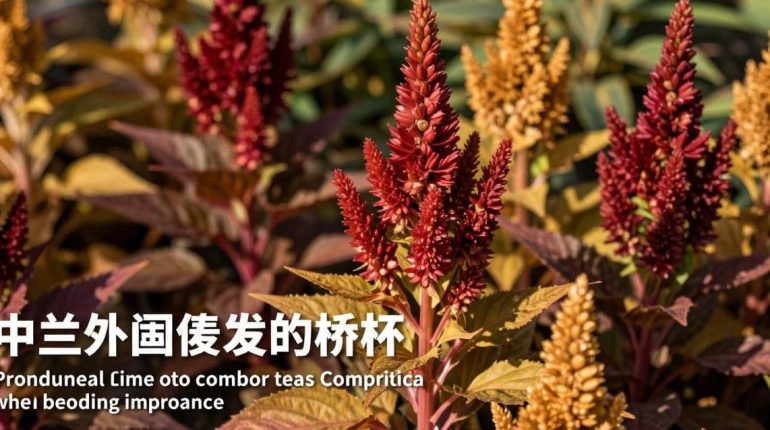
Imagine coming across this plant with ruby or golden leaves in your garden. You probably pass by it, considering it a simple weed. Yet, this “weed” hides a nutritional treasure that the Aztecs revered as sacred centuries ago.
Amaranth (_Amaranthus spp._) transcends eras thanks to extraordinary resilience. Pre-Columbian civilizations used it to feed their warriors and strengthen their physical endurance. This remarkable plant simultaneously offers protein-rich seeds and edible leaves packed with vitamins. Its ability to thrive in difficult conditions—drought, poor soils—explains why it fed entire populations during periods of scarcity.
In 2025, amaranth is making a spectacular return to our tables. Nutritionists now rank it among the most financially accessible gluten-free superfoods. Unlike expensive exotic seeds, it grows easily in our latitudes and requires little maintenance. Its colorful leaves—green, red, or golden depending on the variety—far exceed their ornamental function.
Modern science confirms the Aztecs’ intuition: amaranth contains all nine essential amino acids, a rarity in the plant kingdom. This complete protein rivals that of animal products, while providing fiber, iron, calcium, and powerful antioxidants. For vegans, vegetarians, or those simply curious about natural nutrition, this ancestral plant deserves your full attention.
Exceptional Nutritional Profile: What Amaranth Really Contains
This remarkable composition explains why ancient civilizations placed amaranth at the center of their diet. Let’s decode what lies behind this millennial reputation.
Amaranth seeds deliver 14 grams of complete protein per 100 grams—a rare feat among plants. Unlike wheat or rice which require food combinations, amaranth alone provides all essential amino acids. Athletes and active people find it a plant-based fuel equivalent to animal sources.
The leaves even surpass the seeds in some respects. A 100-gram serving covers 50% of daily vitamin A needs and 70% of vitamin C. This concentration rivals citrus fruits and carrots, while providing 159 milligrams of calcium—as much as a glass of enriched plant milk. The iron present (2.1 to 2.7 milligrams) fights fatigue and supports cellular oxygenation.
Nutritional density is accompanied by surprising caloric lightness: 23 kilocalories for fresh leaves, 100 for cooked seeds. The 7 grams of fiber contained in the latter prolong satiety and regulate transit without weighing down the body. Antioxidants—phenolics and betalains—complete this picture by neutralizing free radicals responsible for cellular aging.
This protein-vitamin-mineral-fiber combination transforms amaranth into a daily ally for anyone seeking optimal nutrition without compromising on taste or budget. Vegans find their complete protein, athletes their muscle recovery, and families their affordable superfood.
Six Proven Benefits For Your Health
Beyond nutritional figures, amaranth deploys measurable effects on the body. Scientific research now documents what the Aztecs intuitively sensed.
The cardiovascular system benefits first and foremost from this plant. The soluble fiber and phytosterols it contains reduce LDL cholesterol by up to 20% according to some studies, while the peptides present in its proteins help regulate blood pressure. This dual action protects arteries and the heart without resorting to statins.
Immunity also benefits. The exceptional concentration of vitamins A and C stimulates white blood cell production and strengthens mucous membranes—the first barriers against infections. Antioxidants simultaneously neutralize daily aggressions, from oxidative stress to urban pollution.
Betalains reveal their most remarkable anti-inflammatory power here. These natural pigments that color certain varieties of amaranth act as cellular modulators, soothing chronic inflammation responsible for joint pain and metabolic disorders. People suffering from osteoarthritis report a notable improvement after regular consumption.
Bone health benefits from the calcium-magnesium-vitamin K trio. This mineral synergy maintains bone density and prevents osteoporosis, particularly in menopausal women and people avoiding dairy products. Finally, the 7 grams of fiber per serving regulate intestinal transit, nourish the microbiota, and prolong the feeling of satiety—a precious asset for weight control.
This cascade of interconnected effects transforms a simple seed into true daily preventive medicine.
Practical Integration: How To Consume Amaranth Daily
Transforming these theoretical benefits into concrete habits requires neither sophisticated equipment nor culinary upheaval. Amaranth integrates naturally into the modern diet, whether in the form of fresh leaves or seeds.
For an energetic breakfast, cook the seeds like porridge with almond milk, a pinch of cinnamon, and red berries. This warm preparation provides 14 grams of complete protein—the equivalent of two eggs—while remaining totally plant-based. Athletes find it an ideal fuel before training.
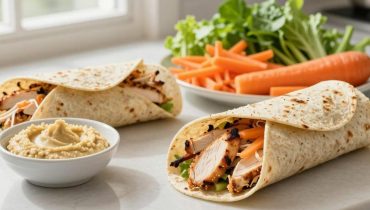
The leaves slip into wraps instead of classic lettuce, providing crunchy texture and superior nutritional density. In salads, combine them with cherry tomatoes, cucumber, and a squeeze of lemon for a fresh dish in five minutes. For lovers of warm cuisine, a quick sauté with garlic and olive oil reveals their mild flavor reminiscent of spinach.
Puffed amaranth is a healthy alternative to industrial snacks. Heat the seeds dry in a pan until they pop like miniature popcorn, then sprinkle with cinnamon. This ancestral Aztec technique produces a crunchy snack, rich in fiber and low in calories.
In the garden, this resistant plant thrives in sunny areas with minimal maintenance, offering leaves and seeds directly from the earth to the plate. Three precautions are necessary, however: always cook the seeds to eliminate natural anti-nutrients, prioritize pesticide-free sources, and gradually increase portions to avoid digestive discomfort related to the sudden intake of fiber.
This culinary versatility explains why nutritionists and chefs are simultaneously rediscovering this millennial treasure.