A routine bedroom clean-up turned into a moment of genuine alarm when a pale, curved object discovered under the bed defied immediate identification. What followed was several minutes of escalating fear, shared confusion, and ultimately, an embarrassingly simple answer. The culprit: a dusty pistachio shell.
En bref
- —A mysterious object found under a bed caused real panic.
- —Neither parent nor child could identify it at first.
- —It turned out to be a forgotten pistachio shell covered in dust.
An Ordinary Object, an Extraordinary Fright
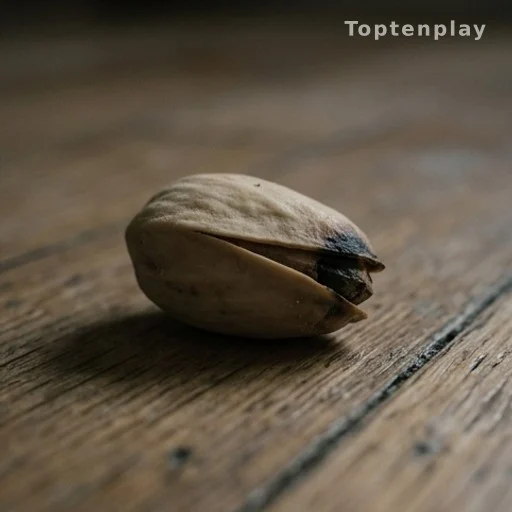
It began with a simple cleaning session. While tidying a bedroom, a pale, curved object lying motionless against the dusty floorboards caught immediate attention. Its shape was unsettling — soft, slightly twisted, with a dark pointed tip — and it looked disturbingly organic in the low light.
The mind moved quickly to worst-case scenarios. Could it be a parasite? A rodent tail? Some small creature that had crept into the house unnoticed and died beneath the furniture? Every second spent staring at it seemed to make it look more threatening, not less.
This kind of rapid mental escalation is not unusual. When confronted with an unidentified object in a domestic space — a place assumed to be safe — the brain does not pause to reason. It prepares for danger first, and seeks verification only afterward.
A Child’s Confusion Only Deepened the Fear
Rather than resolving the mystery, calling a child over to identify the object made things worse. The son froze, squinted, and whispered “What is that?” — a reaction that, instead of offering reassurance, amplified the parent’s unease.

Children are typically quick to recognize everyday objects. Their hesitation carries a particular weight precisely because it is unexpected. When a child appears disturbed by something unfamiliar, an adult’s instinct is to take the threat more seriously, not less.
The two stood several feet from the object, studying it like investigators at a scene. The room itself seemed to change — suddenly dirtier, more suspicious. Past smells, unexplained sounds, and ignored details from recent weeks all rushed back into focus, feeding a growing sense that something had been wrong for some time.
Why Familiar Spaces Can Still Frighten Us
Psychologists have long noted that the human threat-detection system operates faster than conscious reasoning, particularly in environments where lighting is poor or context is ambiguous. Domestic spaces, though familiar, are not immune to this effect — an unidentified object in a bedroom can feel more alarming than the same object encountered outdoors, precisely because it seems out of place. This cognitive shortcut, useful in genuinely dangerous situations, is also responsible for a great many unnecessary panics.
The Broom, the Light, and the Revelation
Neither person was willing to touch the object directly. A broom was eventually used to nudge it slowly into better light — a cautious, deliberate action that underscored just how seriously the threat had been taken.

The truth, once revealed, was almost embarrassing. The object was half of a pistachio shell, darkened at one end by old seasoning and coated in weeks’ worth of dust. It had apparently rolled under the bed at some earlier point and simply been forgotten.
The silence that followed lasted only a moment before both dissolved into relieved laughter — the kind, as the source describes, “that only comes after genuine panic.” All the accumulated fear evaporated instantly, replaced by the absurdity of what had just unfolded.
What a Pistachio Shell Reveals About the Human Mind
The episode, though trivial in outcome, carries a genuine psychological observation. As the source notes, “our brains are wired to prepare for danger first and verify reality later.” In low light, out of context, and seen only briefly, a harmless object can be transformed into a credible threat within seconds.
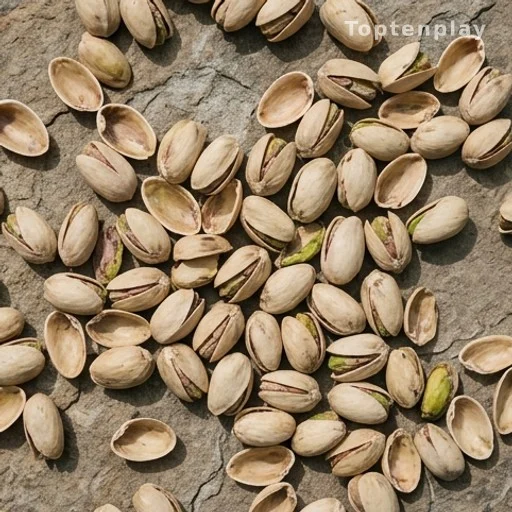
The pistachio shell became, in rapid succession, a parasite, a mystery, and a household emergency — all without a single piece of evidence to support any of those interpretations. The imagination filled every gap in knowledge with the most alarming possibility available.
What makes the story linger is not the fear itself, but the ease with which it was constructed. One forgotten piece of a snack, a little dust, and the wrong angle of light were all it took. The experience, humbling by the author’s own admission, is a small but precise illustration of how powerfully perception can distort reality.
A dusty pistachio shell is, in the end, an unlikely teacher. The story is amusing, but the reflex it exposed is real and widely shared: the human mind, when faced with the unfamiliar, defaults to alarm before it defaults to curiosity. That instinct has evolutionary value — but as this episode neatly demonstrates, it can also turn a forgotten snack into a full domestic emergency. The author admits to checking under the bed more carefully now. It is a reasonable response, even if the threat level has been firmly established.