A small, cold piece of metal found in a pants pocket was enough to send one woman’s imagination spiraling into fear and suspicion. The object, which felt deliberate and dangerous, turned out to be something entirely mundane. The story is a striking reminder of how quickly the mind can construct a threat where none exists.
En bref
- —A metal object found in a pocket triggered immediate fear and suspicion.
- —The husband’s vague response deepened the anxiety.
- —The object was simply an archery field point — a practice tip for arrows.
An ordinary moment that turned unsettling
It began with a routine domestic task: sorting laundry before a wash. When her hand reached into her husband’s pants pocket, it closed around something cold, pointed, and unexpectedly heavy. In an instant, the familiar comfort of a household chore gave way to a sharp sense of unease.
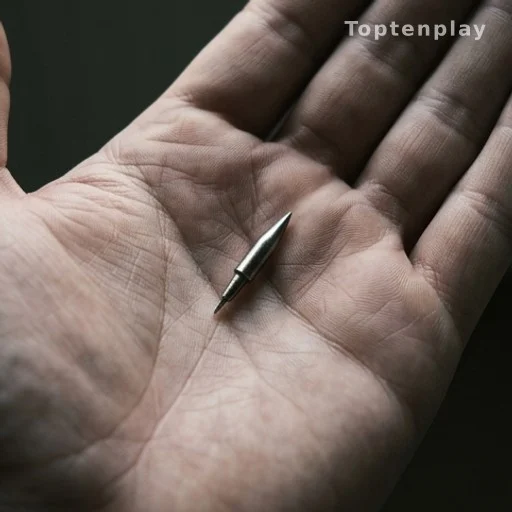
The object felt engineered, intentional. Its weight and shape seemed to carry a purpose that didn’t belong in the soft folds of a pocket. The woman later described the sensation as immediate and visceral — “it felt like something dangerous, something meant to harm.”
What followed was a cascade of questions. How had it gotten there? What was it for? And why had she never seen or heard of it before? A single, unremarkable object had transformed an ordinary afternoon into something charged with tension.
Suspicion fills the silence
When she confronted her husband, his response was far from reassuring. He shrugged and claimed he had no idea what the object was — an answer that, rather than calming her, deepened her unease considerably.

In the absence of a clear explanation, the mind tends to fill the void. Suspicion grew steadily, fueled by imagination rather than evidence. She began constructing scenarios, picturing secrets and hidden intentions behind what might otherwise have been a forgettable detail.
This psychological dynamic is well documented: uncertainty, especially between people who are close, can feel more threatening than a known problem. The unknown becomes a canvas onto which fears are projected, often far exceeding any reality.
Why we misread the unfamiliar
Psychologists have long noted that the human brain is wired to detect threats, sometimes overriding rational assessment in favor of rapid, fear-based conclusions. In close relationships, an unexplained object or an evasive answer can activate this response acutely. Archery field points are common training accessories, widely used by recreational archers, but remain largely unknown to those outside the sport.
The moment everything clicked into place
She continued examining the object closely, turning it over and studying each angle. Then she noticed a tiny detail at the tip — subtle, easy to overlook, but enough to shift her entire understanding in an instant.
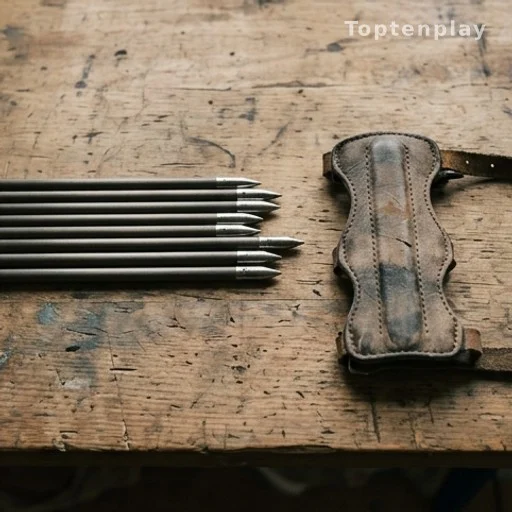
The object was a field point for archery: a practice tip designed to screw onto the end of an arrow. Built for precision training, it is a standard piece of equipment used by archers to practice their aim without the damage caused by broadhead tips.
Far from sinister, it was a tool of focus and discipline. Its sharp, engineered appearance — the very qualities that had seemed so threatening — were simply the result of its functional design. The fear dissolved as quickly as it had formed.
A hidden hobby and a lesson in perception
What struck her most was not the object itself, but what it revealed. Her husband, it turned out, had quietly taken up archery — a hobby he had never mentioned. Time spent alone at a range, practicing concentration and stillness, had simply never come up in conversation.

The discovery reframed everything. What had felt like evidence of something concealed was, in reality, a private pursuit — the kind of personal space that many people maintain even within a close relationship. There was no deception, only a gap in shared knowledge.
The episode serves as a clear illustration of how fear distorts interpretation. An unfamiliar object, combined with an unsatisfying answer, was enough to generate a narrative of threat. Yet the truth was calm, personal, and entirely harmless. As she reflected afterward, “sometimes, what scares us most at first is simply something we don’t yet understand.”
What began as a moment of domestic routine ended as an unexpected window into a partner’s inner life. The field point in the pocket was never a threat — it was an invitation, however unintentional, to look closer and ask more questions. The story resonates because it is deeply relatable: we all carry assumptions about the people we know best, and we are all, at times, wrong. Understanding often requires little more than patience and a willingness to ask.