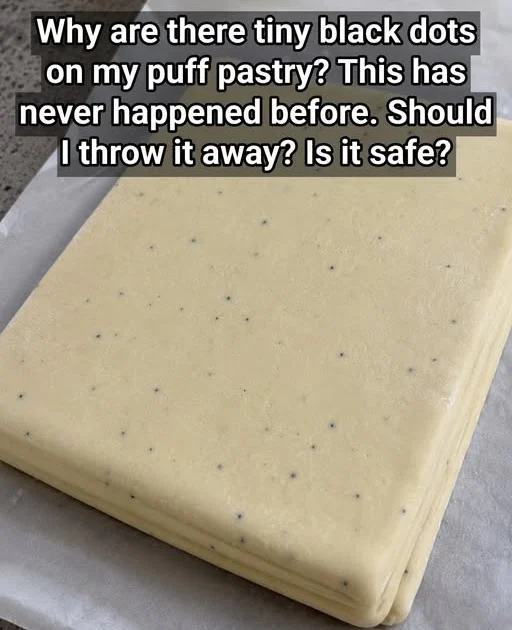
Tiny black specks on a sheet of puff pastry are a common sight in home kitchens, and they are almost always harmless. Understanding what causes them can save you from throwing out perfectly good pastry — or, in rarer cases, alert you to a genuine problem.
In brief
- —Burnt butter is the most common cause of black dots
- —Vanilla seeds and caramelized sugar are also harmless culprits
- —Mold growth is flagged as a red flag, but details were unavailable
Burnt butter: the most frequent and harmless explanation
Puff pastry is built from dozens of thin layers of butter or fat laminated into the dough. During baking, small pockets of that butter can caramelize or slightly scorch, leaving behind tiny dark brown or black specks on the finished pastry.
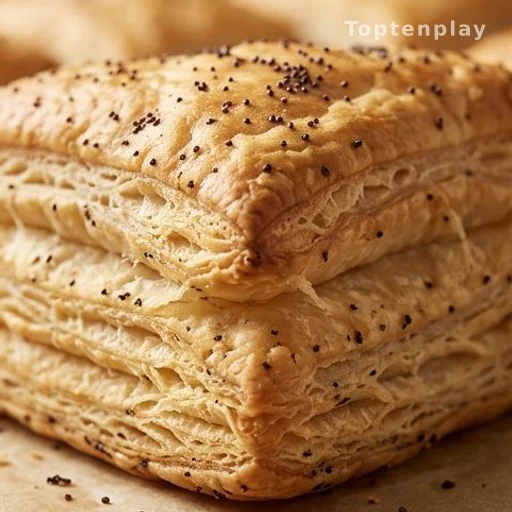
These spots are completely safe to eat and can even add a nutty, toasted note to the flavor. They tend to appear more often in homemade or artisanal puff pastry, where the fat distribution is less uniform than in industrial products.
Vanilla seeds and caramelized sugar: two more benign culprits
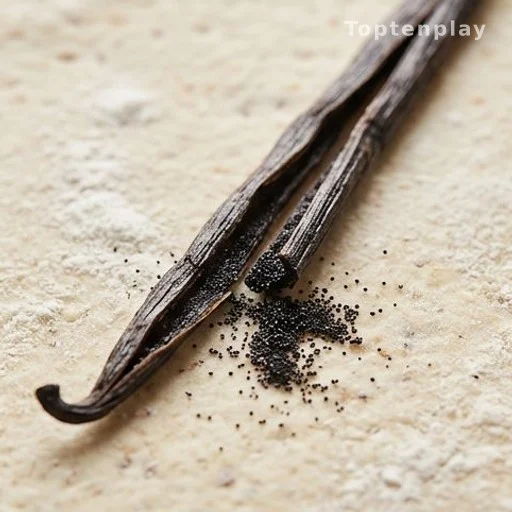
In vanilla-infused or sweet puff pastry, real vanilla bean seeds are a straightforward explanation for black specks. Those tiny seeds are distributed throughout the dough and are considered a marker of quality ingredients rather than a defect.
Sugar — whether incorporated into the dough or applied as part of an egg wash — can also darken during baking through the Maillard reaction, the same chemical process responsible for the golden crust on bread. The resulting dark spots are a normal and often desirable outcome of baking at high heat.
The science behind browning in pastry
The Maillard reaction is a chemical process that occurs when proteins and sugars are exposed to heat, producing the brown color and complex flavors associated with baked goods. It is the same reaction that browns bread crusts, roasted coffee, and seared meat. In puff pastry, it explains why dark spots from sugar or egg wash are a sign of proper baking rather than a problem.
Whole wheat and multigrain varieties: bran particles explained
Puff pastry made with whole wheat or multigrain flour contains small particles of bran and grain that naturally appear as dark specks in the dough. This is entirely normal and expected in products marketed as healthier or higher-fiber alternatives.
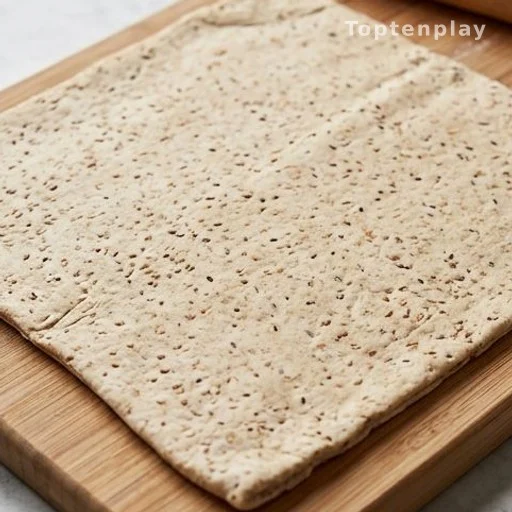
These particles do not affect the safety or taste of the pastry in any negative way. Their presence is simply a visual consequence of using less refined flour.
Suggested Posts

Trump Accounts for foster kids: 25 states in, key hurdles remain
Twenty-five governors have pledged to open Trump Accounts on behalf of eligible foster children, following an initiative announced in early June by First Lady…