Autism spectrum disorder does not have a single, identifiable cause — and new research continues to confirm that reality. Scientists have identified a range of genetic, biological, and environmental factors that influence early brain development, but no one element explains the full picture. Understanding what the evidence actually shows is essential, as oversimplified claims can mislead families and shape harmful public debate.
En bref
- —No single gene or factor causes autism
- —60–90% chance both identical twins share ASD diagnosis
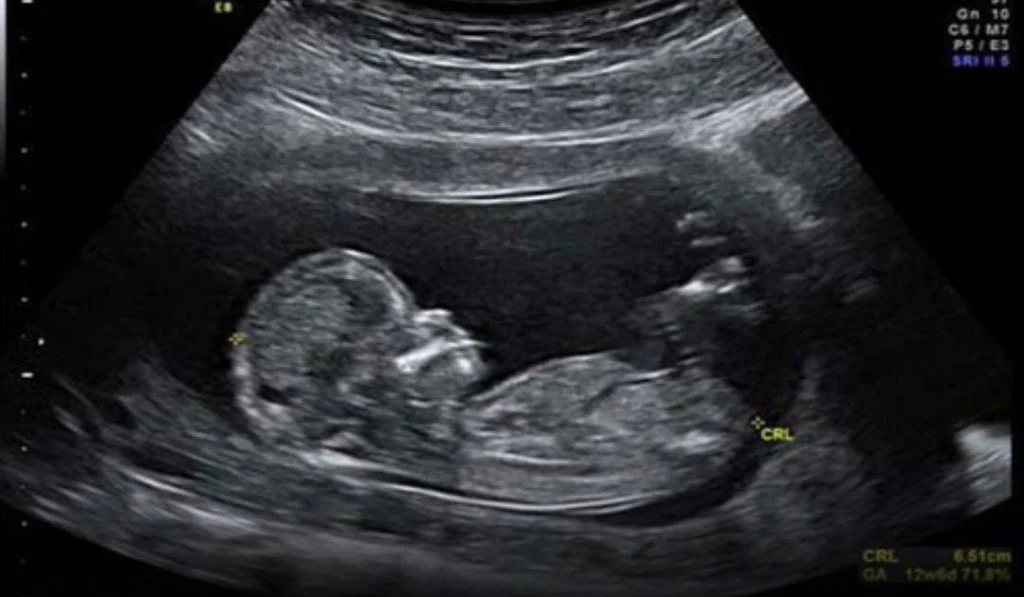
- —Brain differences linked to ASD begin before birth
Hundreds of genes linked to ASD, but no single culprit
Genetics remain the strongest and most consistently documented factor in autism research. Hundreds of genes have been identified as linked to ASD, many of them directly involved in how neurons communicate, how synapses form, and how brain connectivity develops in early life.
Twin studies have provided some of the clearest evidence of heritability. When one identical twin is diagnosed with autism, the other has a 60 to 90% chance of also being on the spectrum — a figure that points unmistakably to a significant genetic component.
Yet no single autism gene has been found, and scientists do not expect one to emerge. The genetic architecture of ASD involves a complex interplay of both common and rare variants, spread across many genes. This complexity is precisely why a straightforward genetic test for autism does not exist and may never exist in the way some hope.
Prenatal risk factors raise the odds — but do not guarantee autism
Beyond genetics, certain conditions during pregnancy have been associated with a higher likelihood of ASD in children who are already genetically predisposed. These include advanced parental age — particularly on the father’s side — as well as maternal illness during pregnancy, such as rubella or severe infections.
Premature birth, low birth weight, and exposure to specific medications also appear on the list of documented risk factors. Valproic acid, an anticonvulsant sometimes prescribed during pregnancy, is among the substances researchers have flagged in this context.
A critical distinction must be made here: these are risk factors, not causes. The vast majority of children born prematurely, or whose mothers experienced illness during pregnancy, do not develop autism. The presence of these factors raises statistical probability in already vulnerable individuals — it does not determine outcome.
A spectrum, not a single condition
Autism spectrum disorder is an umbrella term covering a wide range of neurodevelopmental profiles, from individuals who require significant daily support to those who live fully independently. Diagnosis is based on behavioral observation and typically occurs in early childhood, though many adults are diagnosed later in life. There is currently no cure, and the medical community does not consider autism a disease to be eliminated.
Suggested Posts

That green stuff inside your lobster? Experts say don’t eat it
Crack open a cooked lobster and you may find a bright green, paste-like substance tucked inside the body cavity. Known as tomalley, this substance…