

The next step for families who recognize several of these patterns in a loved one is to consult a general practitioner or a specialist in cognitive health for a formal assessment. Questions remain open about how consistently these verbal signs predict a clinical diagnosis of dementia versus other treatable conditions — such as depression, medication side effects, or hearing loss — that can produce similar communication difficulties. Researchers continue to investigate whether early speech-pattern monitoring, including through digital tools, could one day support faster and broader screening for cognitive decline.
Suggested Posts
Fresh, fast, and easy to read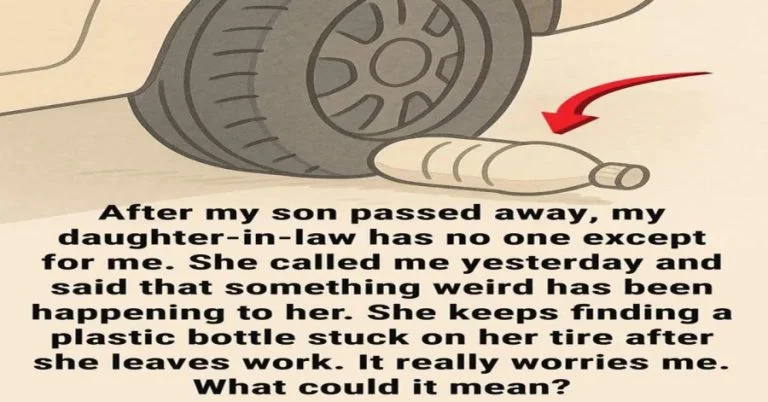
Today I Learned
The plastic bottle near your tire that could get your car stolen
An empty plastic bottle placed against a car tire may look like litter — but in some cases, it is a deliberate distraction used…
Today I Learned
No age limit to drive in France: what the law says for over-70s
A serious accident in La Rochelle, where an 83-year-old driver traveling the wrong way struck a group of children on bicycles, has brought renewed…

Today I Learned
Air fryer mistakes that can actually start a fire
Air fryers have become a kitchen staple for millions of households — but a handful of widespread habits can turn this convenient appliance into…
Today I Learned
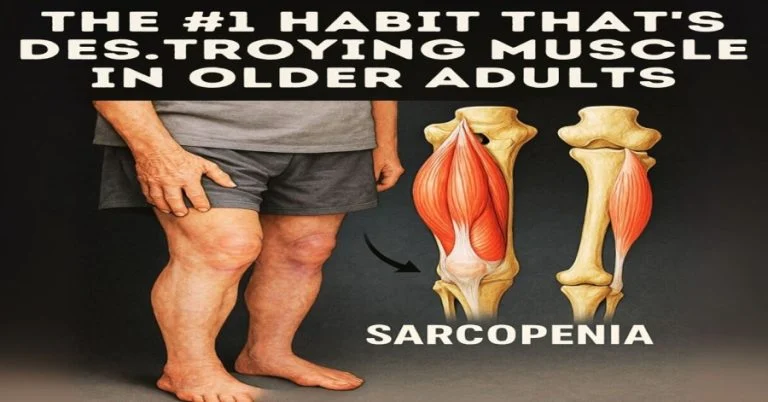
The 10 daily habits silently destroying your muscles after 30
Muscle loss in older adults is not just an unavoidable consequence of aging — it is a medical condition called sarcopenia, and daily habits…