Ankle circles complete the routine by boosting overall ankle mobility, which helps distribute weight and pressure more evenly across the foot. Extend one leg, rotate the ankle slowly 10 times clockwise then 10 times counterclockwise, then switch feet.
When to see a professional and how to prevent recurrence
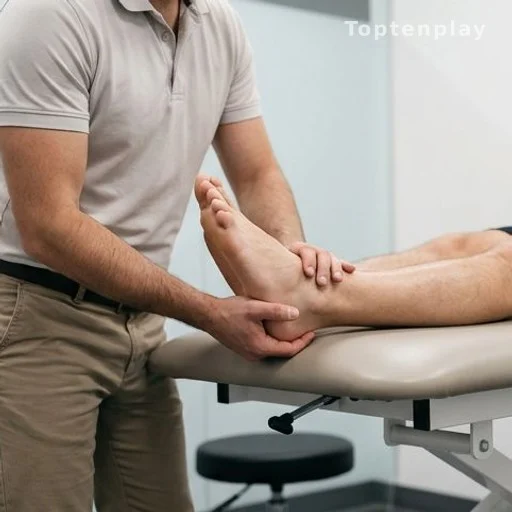
If heel pain persists after several weeks of daily stretching, consulting a healthcare provider or physical therapist is advisable. Professional options include custom orthotic shoe inserts, night splints designed to keep the fascia stretched overnight, dedicated physical therapy sessions, and more advanced interventions such as shockwave therapy or injections.
Prevention centres on a few consistent habits: wearing shoes with solid arch support and adequate cushioning, avoiding prolonged barefoot walking on hard surfaces, stretching the calves and feet before and after physical activity, maintaining a healthy weight to limit mechanical stress on the feet, and replacing worn-out footwear regularly.
The key open question for anyone beginning this routine is whether consistent daily practice will be sufficient or whether the condition has already progressed to a stage requiring professional intervention. The threshold indicated in the source — persistent pain after several weeks of daily stretching — provides a concrete checkpoint. For those at risk of recurrence, the long-term effectiveness of the prevention measures, particularly footwear choices and weight management, will depend on sustained habit change rather than short-term effort.