Incorporating okra into a balanced diet may contribute to overall cellular health, though it cannot eliminate cancer risk on its own. Its mild flavor makes it straightforward to add to soups, stews, stir-fries, or grilled dishes.
Broccoli’s sulforaphane, one of the most studied plant compounds in nutrition science
Broccoli belongs to the cruciferous vegetable family alongside cauliflower, cabbage, kale, and Brussels sprouts — a group consistently highlighted in nutrition research. What distinguishes broccoli is the presence of glucosinolates, compounds that convert into biologically active substances when the vegetable is chopped or chewed.
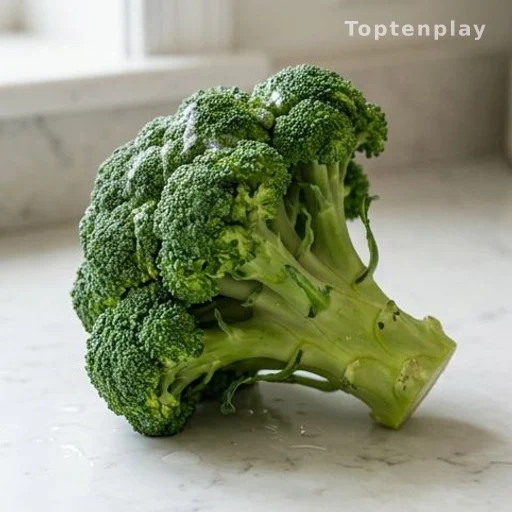
The most studied of these is sulforaphane, which scientists have examined extensively for its potential role in supporting the body’s natural defense mechanisms. Broccoli is also rich in vitamins C and K, fiber, and antioxidants that may help support immune function and digestive health.
Preparation matters: steaming broccoli lightly is recommended to preserve many of its valuable nutrients while maintaining texture.
What research actually says about diet and cancer
Scientific consensus holds that no individual food prevents or cures cancer. However, research consistently shows that diets rich in vegetables — providing antioxidants, fiber, and plant compounds — are associated with a lower risk of chronic diseases. Compounds such as sulforaphane from broccoli have been studied for their potential role in supporting cellular defense mechanisms, though findings remain in the research phase rather than clinical guidance.
Spinach packs vitamins A, C, E and K alongside lutein and beta-carotene
Spinach delivers a wide range of nutrients for relatively few calories, making it one of the most nutrient-dense leafy greens available. It contains vitamins A, C, E, and K, as well as iron, magnesium, and folate — covering multiple nutritional needs in a single food.

Its deep green color comes from natural pigments and antioxidants, including lutein and beta-carotene, which help protect cells from oxidative damage and support eye health. The fiber content also contributes to healthy digestion and may help maintain a healthy weight when combined with an active lifestyle.
Suggested Posts

Climate adaptation: from insurance retreat to $9 trillion opportunity
As climate change pushes entire regions toward uninsurability, a growing body of financial research is reframing adaptation not as a cost but as a…