Drying in direct sunlight is specifically recommended, as UV rays naturally kill bacteria remaining in the fabric. This method is listed as best for polyester-filled pillows, while memory foam pillows should only be spot-cleaned with this solution rather than fully submerged.
Method 3: Hydrogen peroxide and lemon for the toughest stains
For pillows with the most stubborn discoloration, the source recommends a bleach-free alternative combining hydrogen peroxide and lemon juice. The mix both whitens and sanitizes without the risks associated with chlorine bleach.
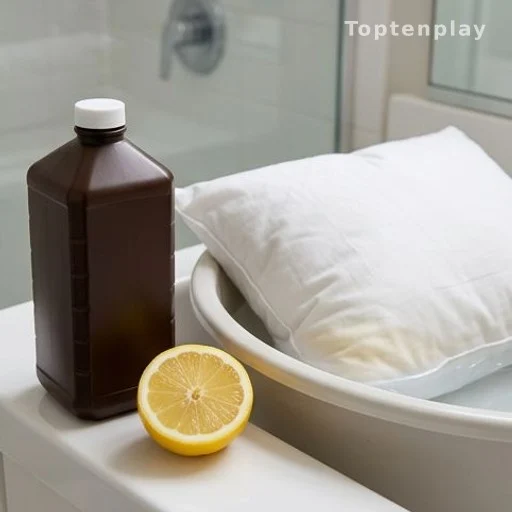
The formula calls for ½ cup of lemon juice and 1 cup of hydrogen peroxide added to hot water. The pillow soaks for one hour, after which it is rinsed in the washing machine and dried outdoors.
This method is specifically flagged as the best option for stubborn stains and odor elimination, making it the go-to choice when the first two approaches are unlikely to be sufficient. The outdoor drying step reinforces the sanitizing effect through natural UV exposure.
For those who follow through with one of these three methods, the next step is building a consistent maintenance routine: washing pillows every three to six months, using pillow protectors to slow future buildup, and sun-drying bedding periodically. The open question for many households is whether memory foam pillows — which cannot be fully submerged — can be adequately refreshed through spot-cleaning alone, or whether more targeted products are needed for that material.
Suggested Posts
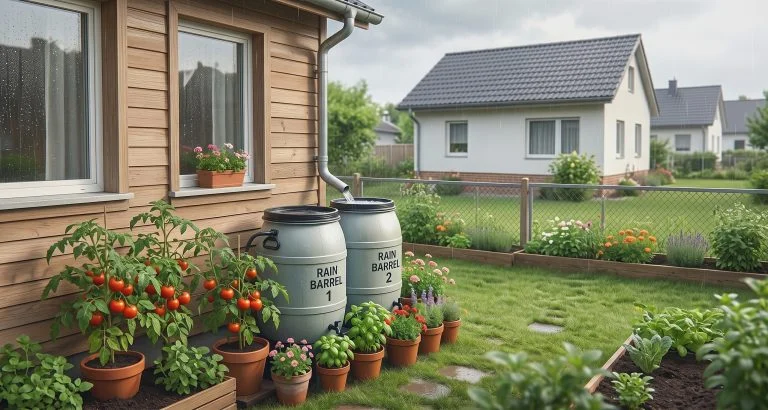
The Oregon man jailed for water collection — and why your rain barrel is different
The story of an Oregon man jailed over water collection has fueled widespread alarm about rain barrels. But the reality behind that case is…