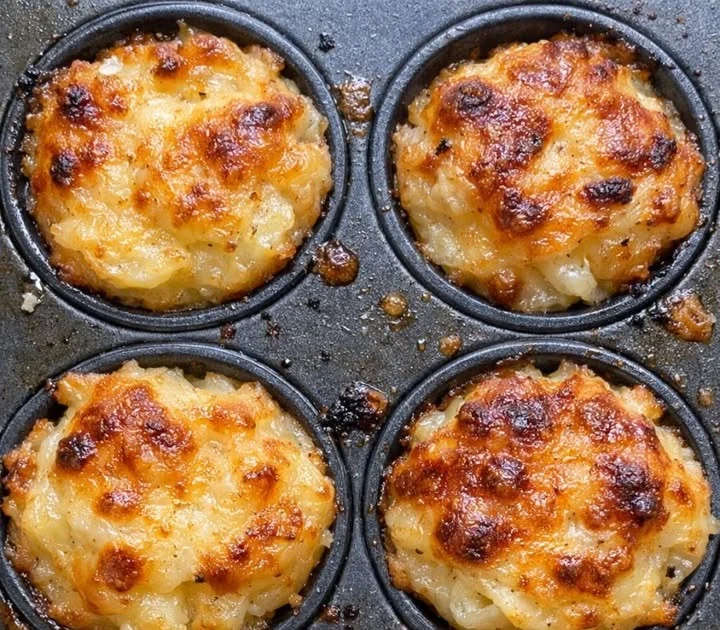
Then comes the oven. As the cheese melts over the seasoned meat, it forms what can be described as a glossy, flavorful seal across the top of each cracker. That seal does double duty: it locks moisture into the topping while simultaneously allowing the cracker edges to toast into a buttery, crisp finish.
The result is a bite that tastes, as the recipe puts it, «like a cross between a gourmet cheeseburger and a retro party dip» — but portioned perfectly and entirely hands-off once the tray goes into the oven.
The three ingredients — and the smart swaps worth knowing
The recipe calls for one pound of 80/20 ground beef, a ratio chosen specifically for flavor. The higher fat content renders down during browning and carries the ranch seasoning throughout the meat. For a leaner result, ground turkey or chicken are offered as direct substitutes without altering the method.
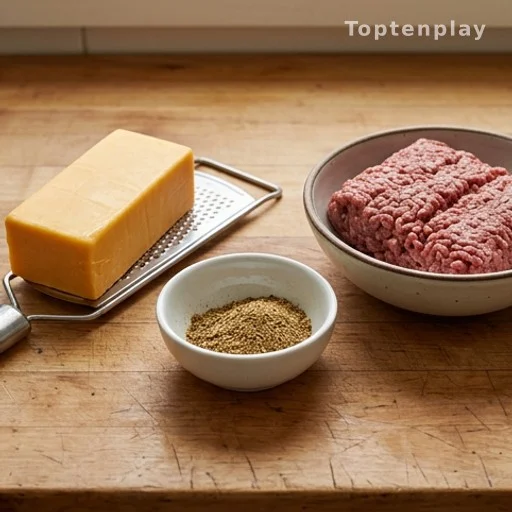
A single one-ounce packet of dry ranch dressing mix provides what the recipe calls the «tangy, herbaceous backbone.» For anyone monitoring sodium intake — a common concern when managing circulation — a low-sodium ranch packet works equally well, or taco seasoning can replace it entirely for a spicier profile.
The third ingredient is two cups of sharp cheddar, freshly grated from a block. This is flagged as a non-negotiable step. Pre-shredded cheese is coated in anti-caking agents that prevent it from melting smoothly, which would undermine the glossy seal that protects the cracker from going soggy.
A recipe rooted in American potluck tradition
Cracker bites have long been a fixture at Midwestern church potlucks, Southern holiday open houses, and casual football gatherings. The appeal has always been the same: maximum flavor, minimal preparation, and ingredients that are already in most pantries. This version formalizes the formula with specific ratios and a clear explanation of why each step works.
Choosing the right cracker — and why the base matters more than it seems
The cracker is listed separately from the three core ingredients, described as the «vessel» — but the choice is not trivial. Ritz, club crackers, and thick water crackers are the recommended options, all chosen for one specific quality: a solid base that does not snap when picked up.
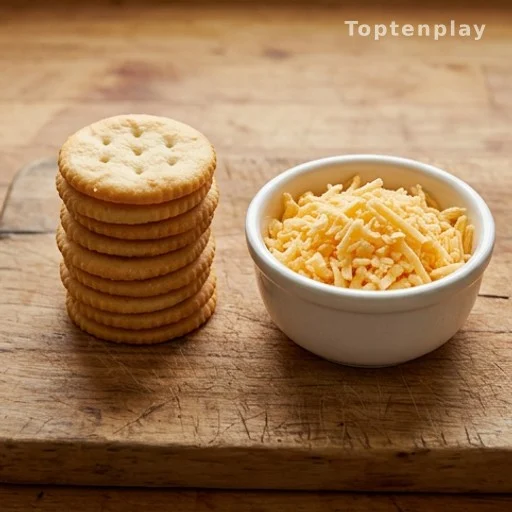
A thin or brittle cracker collapses under the weight of the beef and cheese topping, turning a clean party bite into a messy handful. The structural requirement is practical — these are finger foods meant to be lifted whole and eaten in one or two bites without a plate.