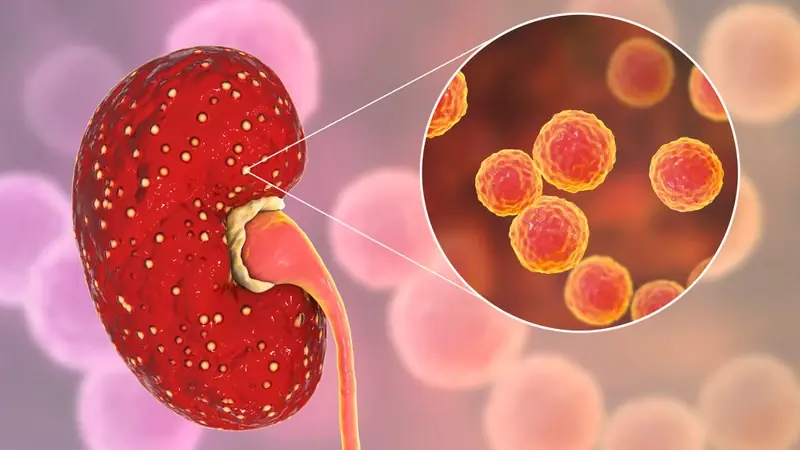
The kidneys work around the clock to filter waste, regulate blood pressure, and maintain fluid balance — yet kidney disease often progresses for months or years without obvious symptoms. Recognizing subtle warning signs early may help individuals seek medical evaluation before significant damage occurs. Here is what the evidence suggests everyone should watch for.
In brief
- —23 warning signs identified, from fatigue to metallic taste
- —Kidney disease often mistaken for stress or aging
- —Diabetes and hypertension are the leading risk factors
Why kidney disease goes undetected for months or years
Kidney disease has long been described by clinicians as a silent condition. The organs can lose a significant share of their filtering capacity before any symptom becomes obvious enough to prompt a medical visit.
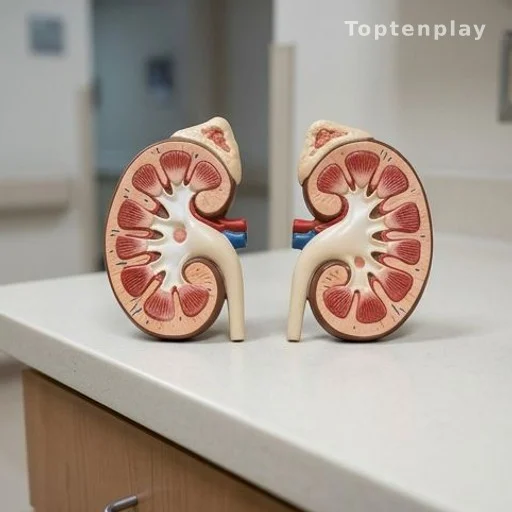
Many of the earliest warning signs — persistent fatigue, poor sleep, reduced appetite, and mild swelling — closely resemble everyday complaints. They are routinely attributed to stress, a demanding schedule, aging, or unrelated health issues, which delays diagnosis.
Because the kidneys regulate so many systems simultaneously — waste filtration, fluid balance, blood pressure, electrolyte levels, and red blood cell production — a decline in their function can manifest in ways that seem entirely unconnected to the kidneys themselves.
A condition that affects millions silently
Chronic kidney disease progresses through stages, often without pain or obvious symptoms in its early phases. The kidneys possess considerable reserve capacity, meaning measurable damage can accumulate before standard health checks flag a problem. Regular screening is particularly important for individuals with diabetes, hypertension, or a family history of kidney disorders.
From foamy urine to swollen ankles: the 23 signs to watch
Urinary changes are among the most direct indicators. Persistent foam or bubbles in urine may signal protein leakage — a condition called proteinuria, considered an important marker of kidney disease. Visible blood or pink-colored urine requires prompt medical evaluation, as healthy kidneys normally prevent blood cells from entering the urinary stream. A significant increase or decrease in urination frequency, especially at night, also warrants attention.

Fluid retention is another early cluster of signs. When the kidneys struggle to remove excess sodium and water, swelling can develop in the feet, ankles, and lower legs. As kidney function worsens, this fluid buildup may extend to the hands, face, and abdomen. Puffiness around the eyes in the morning may indicate protein is leaking into the urine and can be one of the earliest visible signs of damage.
Systemic symptoms reflect the wider impact of declining kidney function. Ongoing fatigue, brain fog, and difficulty concentrating may result from waste product accumulation and changes in oxygen delivery. Muscle cramps can follow disruptions to calcium and electrolyte balance. Dry, flaky, and itchy skin may develop as the kidneys lose their ability to regulate mineral levels.
Additional signs include nausea — sometimes most pronounced in the morning — vomiting, loss of appetite, unintentional weight loss, persistent weakness, shortness of breath during routine activities, and an unusual sensitivity to cold linked to kidney-related anemia. Some individuals also report a metallic taste in the mouth as waste products alter taste perception. Persistent back or side pain beneath the ribs may accompany certain kidney conditions, and high blood pressure can be both a cause and a consequence of kidney dysfunction.
Diabetes, hypertension, age: the groups facing the highest risk
Diabetes remains one of the leading causes of chronic kidney disease worldwide. Persistently elevated blood sugar damages the small blood vessels that supply the kidneys, progressively impairing their filtering ability.

Long-term uncontrolled hypertension damages the blood vessels that supply the kidneys, while poor kidney function in turn raises blood pressure — creating a cycle that can accelerate decline in both systems.
Kidney function naturally decreases with age, placing older adults at elevated risk. Smokers face additional danger because smoking impairs blood circulation and directly harms kidney tissue. A family history of kidney disorders also increases individual susceptibility, reflecting a genetic component to certain conditions.
How kidney function is assessed and what can protect it
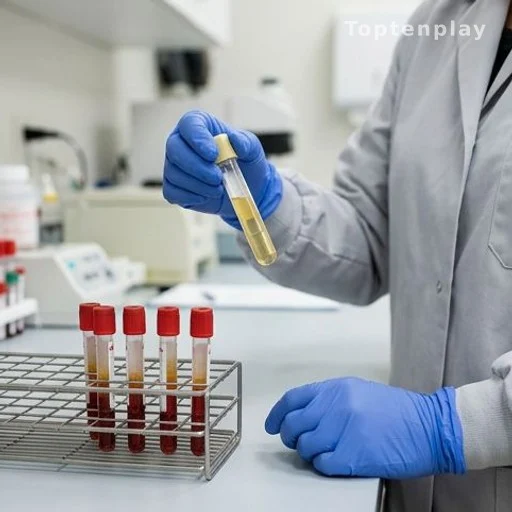
Doctors evaluate kidney health through several tools. Blood tests measure creatinine, blood urea nitrogen (BUN), and the estimated glomerular filtration rate (eGFR). Urine tests can detect protein, blood, infection, and other abnormalities. Imaging studies such as ultrasound help identify structural problems, while blood pressure monitoring is considered an integral part of any kidney assessment.
On the lifestyle side, several habits are documented as protective. Adequate hydration supports normal filtration. Keeping blood pressure within a healthy range reduces kidney stress. Good diabetes management can significantly lower the risk of kidney disease progression. Maintaining a healthy weight, exercising regularly, avoiding smoking, and limiting excessive salt intake round out the recommended approach.
Medical evaluation is advised when symptoms persist for several weeks, worsen over time, occur in combination, or begin to interfere with daily life. As the source notes, these 23 symptoms do not automatically indicate kidney disease — but they should not be dismissed when they are persistent or appear alongside other concerning changes.
The next step for anyone concerned about kidney health is a conversation with a healthcare provider, who can determine whether blood and urine screening is appropriate based on individual risk factors. Open questions include how best to reach populations who attribute early symptoms to aging or stress, and whether wider routine screening in high-risk groups could meaningfully reduce the number of late-stage diagnoses. Research into earlier biomarkers for kidney decline remains an active area of clinical investigation.