Hair thinning is a less specific sign. While many factors affect hair growth, nutritional deficiencies — including low B12 — may contribute to excessive shedding, particularly when other symptoms are present at the same time.
Who faces the highest risk, and how deficiency is confirmed
Several groups are considered particularly vulnerable. Older adults are at elevated risk because B12 absorption naturally declines with age. Vegetarians and vegans face a dietary gap, since the vitamin is found almost exclusively in animal products such as meat, fish, eggs, and dairy — though fortified cereals and nutritional yeast can provide some intake.

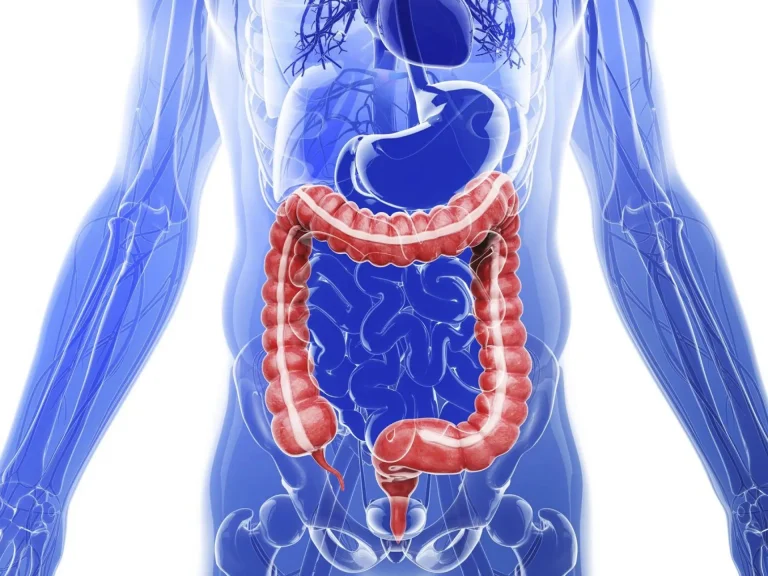
People living with digestive conditions — including Crohn’s disease, celiac disease, or a history of gastric surgery — may have impaired absorption regardless of dietary intake. Long-term users of certain medications may also be affected over time.
Because B12 deficiency symptoms overlap with those of many other conditions, a confirmed diagnosis requires blood testing. Healthcare providers typically use a complete blood count (CBC) alongside a direct B12 measurement, and may order additional laboratory markers when the picture is unclear. Testing before starting any treatment is considered essential.
For those in higher-risk groups or experiencing persistent, unexplained symptoms, the next step is a conversation with a healthcare professional and, if indicated, a blood test. Researchers continue to investigate the links between B12 status and longer-term neurological and mental health outcomes — an area where clearer clinical guidance may emerge in coming years.
Suggested Posts

Forgot Your Quarter at Aldi? Here’s How to Still Get a Cart
Arriving at Aldi without a quarter to unlock a shopping cart is a common frustration. Fortunately, the fix is usually just a few steps…