This is the kind of dish you serve on a June Sunday when friends drop by unannounced. Quick to prepare, beautiful to serve, and so much more interesting than a classic quiche. This savory zucchini and goat cheese clafoutis is the dish that makes an impact without costing you an hour in the kitchen.
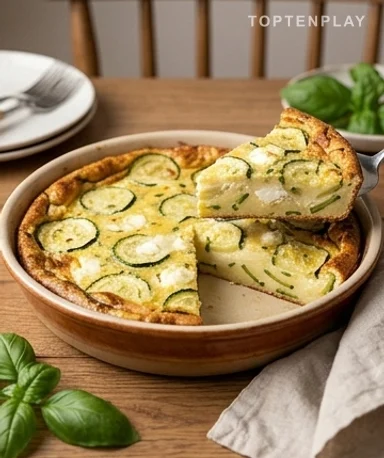
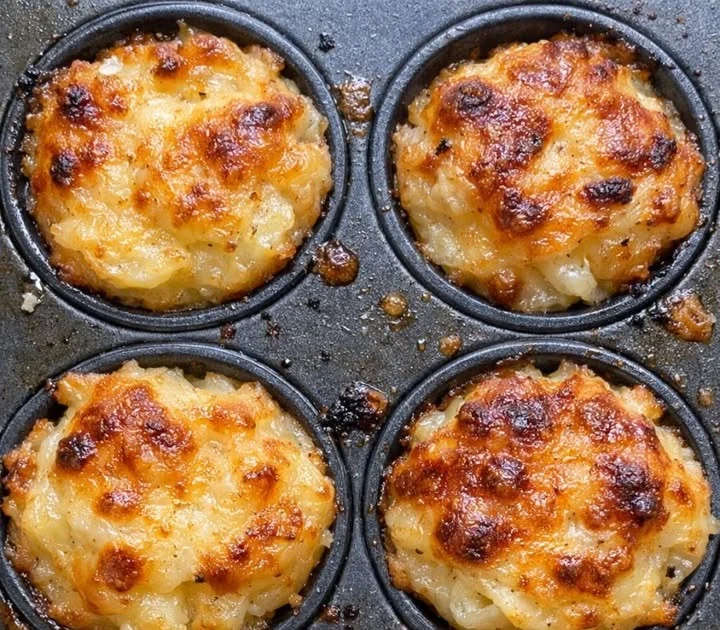
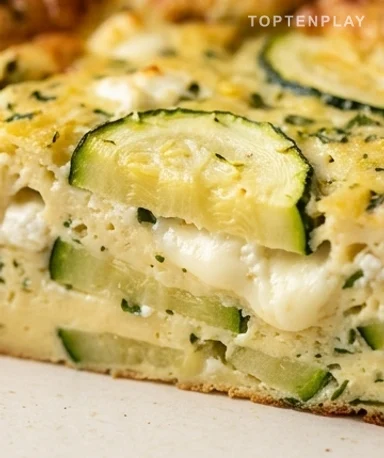
Straight out of the oven, it’s golden like light caramel on the surface, with a few pieces of goat cheese that have melted and taken on a slight creamy hue. When you pull the pan out, the smell of basil rises all at once — a herbaceous, almost summery scent that the lemon pinches delicately. The surface is still slightly domed in the center, trembling if you shake the mold. When cut, the batter reveals a texture between a flan and an omelet: meltingly soft, supple, with zucchini slices that hold up well.
Why you’ll love this recipe
Ingredient Notes
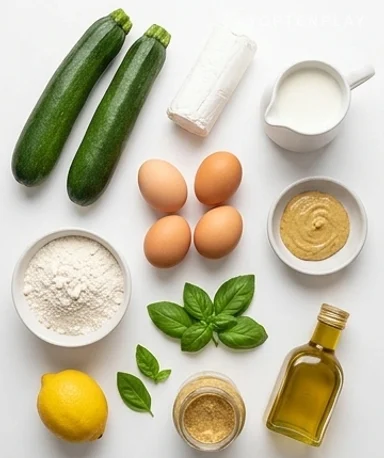
The ingredients for the savory clafoutis — not many, but each has a specific role.
- Zucchini : Choose small or medium ones. Large ones are often full of water and much less flavorful — you’ll recognize them by their spongy flesh and large seeds. Firm to the touch, shiny, without soft spots is what we want. Two to three are enough to fill the pan without the batter disappearing under the vegetables.
- Goat cheese : A fresh log works perfectly. Avoid overly dry goat cheese which won’t melt during cooking, and overly aged cheese which will overpower all other flavors. 150 grams is the right amount: you can taste the goat cheese clearly without it becoming a monolithic dish.
- Mustard : One tablespoon of classic Dijon. It’s a small amount but it really matters — it brings a slightly spicy backbone that wakes everything up without being explicitly identified during tasting. Don’t skip it.
- Lemon : The zest matters more than the juice here. It’s the essential oil in the zest that gives that fresh, vivid aroma. A few drops of juice for acidity, but no more. Get an untreated lemon if you can find one — it’s really worth it for the skin.
- Basil : Must be fresh; dried basil won’t give you anything in this recipe. Five to six coarsely chopped leaves, added at the very end just before baking. If you put it too early into the hot zucchini mixture, it turns black and loses its scent in minutes.
Zucchini goes first
Start with them, because this step determines everything else. Cut them into slices about five millimeters thick — not too thin so they hold up during cooking. In a hot pan with a drizzle of olive oil, sauté them over medium heat for a good ten minutes. You’ll hear the sizzle as soon as they hit the pan, then it gradually calms down as the water evaporates. This is where you want to be: slightly golden slices on the surface, tender without being mushy. If you put them raw into the batter, the clafoutis will be soggy. Let them cool before moving on.
Making the batter
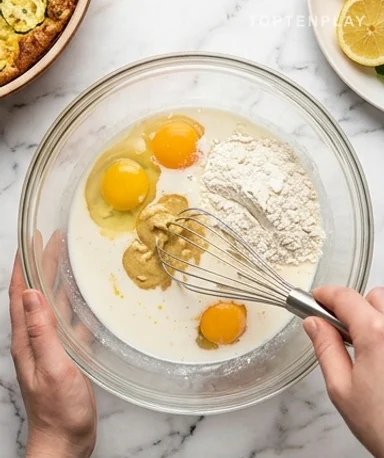
In a large bowl, crack the eggs and pour in the milk. Whisk. No need for a food processor, a hand whisk is more than enough. Add the flour gradually while whisking continuously — this prevents lumps. The batter should be smooth, slightly thicker than crepe batter. Add the mustard, lemon zest, and a few drops of juice. Salt, pepper. At this stage, the batter already gives off that sharp, bright smell that promises great things. That’s a good sign.
Assembly
Pour the cooled zucchini into the batter and mix gently. Crumble the goat cheese into irregular pieces over the top — no need to make them smooth, these rustic chunks will melt during cooking and create creamy pockets in the batter. Add the chopped basil. Pour everything into an oiled pan, rectangular or round, both work. Distribute the cheese pieces so there’s some in every future slice.
The critical moment: monitoring without opening
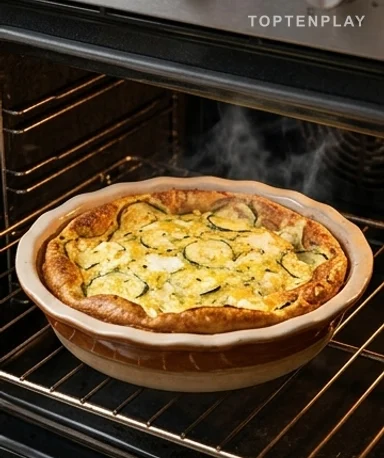
Oven at 180°C, fan setting, 35 to 40 minutes. Resist the urge to open it in the first thirty minutes — sudden temperature changes make the mixture collapse. When the top is golden like light caramel and the edges start to pull away slightly from the pan, it’s almost ready. To check: gently shake the pan. The center should tremble slightly but no longer be liquid. This residual flexibility is exactly what gives the melting texture when sliced. An overcooked clafoutis becomes firm and dry — a shame.
And now, patience
Take the pan out and let it rest for five to ten minutes before cutting. Not because of protocol — but because hot clafoutis collapses on the plate if you cut it too soon. During this rest, the portions firm up slightly and the flavors concentrate. Serve with a green salad, some raw vegetables, nothing more. The dish stands on its own.
Tips & Tricks
- Do not exceed 80 grams of flour. The more you add, the denser the clafoutis becomes, losing its airy texture. For a gluten-free version, rice flour works well in this proportion.
- Really sauté the zucchini in a pan before incorporating them. This is the most frequently skipped step, and it’s almost always the reason for a soggy clafoutis. The zucchini water must evaporate before entering the batter.
- The clafoutis freezes perfectly. Cut into individual portions, wrap each separately, and freeze. To reheat: 15 minutes in the oven at 150°C. Microwaving makes it rubbery — avoid it.
Can I prepare the clafoutis the day before?
Yes, it is even recommended. Prepare it entirely, let it cool, wrap it, and refrigerate. The next day, reheat for 10 to 15 minutes in the oven at 150°C. The flavors are often more developed after a night in the fridge.
How long does it keep in the refrigerator?
2 to 3 days in the refrigerator, wrapped or in an airtight container. Avoid the microwave for reheating — it softens the batter and makes the texture rubbery. A low-temperature oven is much better.
My clafoutis is soggy in the center. What happened?
The zucchini probably weren’t sautéed enough before being added. they release a lot of water during cooking which soaks the mixture from the inside. Other possible causes: too little flour or an oven that wasn’t hot enough.
Can I replace the goat cheese with something else?
Crumbled feta gives a similar result, slightly saltier and less creamy. Ricotta also works for a milder version. Avoid strong cheeses like Roquefort which would overpower the other flavors.
Can I make this recipe gluten-free?
Yes, replace the wheat flour with rice flour or a gluten-free blend in the same proportions. The texture will be slightly different — a bit denser — but the result remains very good.
Can I add other vegetables?
Absolutely. Grilled peppers, sautéed mushrooms, or halved cherry tomatoes work very well. The key is to sauté or roast the vegetables before incorporating them to remove excess water.
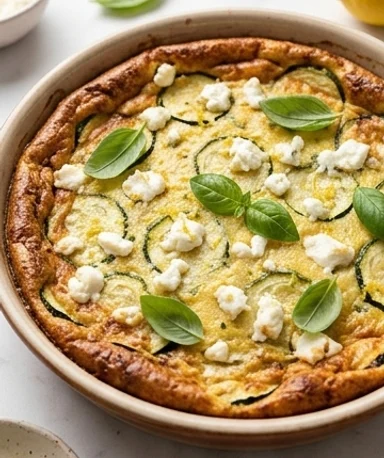
Zucchini-Goat Cheese Clafoutis with Lemon-Basil Mustard
French
Main course
A light and fragrant savory clafoutis, somewhere between a flan and an omelet. Easy to prepare in advance, ideal for impressing guests without spending the whole day in the kitchen.
Ingredients
- 500g zucchini (2 to 3 small/medium)
- 150g fresh goat cheese (log type)
- 3 eggs
- 200ml semi-skimmed milk
- 80g flour
- 1 c. à soupe Dijon mustard
- 1 untreated lemon (zest + a few drops of juice)
- 6 fresh basil leaves
- 2 c. à soupe olive oil
- 1 pincée salt
- 1 pincée black pepper
Instructions
- 1Preheat the oven to 180°C (fan). Grease a gratin dish.
- 2Wash the zucchini and cut into 5mm slices.
- 3Sauté the zucchini in olive oil over medium heat for 10 minutes, until golden and the water has evaporated. Salt lightly. Let cool.
- 4In a bowl, whisk the eggs with the milk until smooth.
- 5Gradually whisk in the flour to avoid lumps. The batter should be smooth.
- 6Add the mustard, lemon zest, a few drops of juice, salt, and pepper. Mix well.
- 7Stir the cooled zucchini into the batter. Crumble the goat cheese over the top. Add the chopped basil.
- 8Pour the mixture into the dish and distribute the cheese pieces evenly.
- 9Bake for 35 to 40 minutes, until the top is golden and the center is slightly flexible to the touch.
- 10Let rest for 5 to 10 minutes before slicing and serving.
Notes
• Make ahead: the clafoutis can be prepared the day before. Reheat for 15 minutes in the oven at 150°C before serving. Do not use the microwave.
• Storage: 2 to 3 days in the refrigerator, wrapped. Can be frozen in individual portions for up to 2 months.
• Variation: add grated cheese (gruyere, emmental) on top before baking for a more gratin-like crust.
Nutrition Facts (per serving, estimated)
| 240 kcalCalories | 12gProtein | 17gCarbs | 13gFat |