Expert Secrets: How To Spot Hidden Gold In Your Home
That crystal vase gathering dust on your shelf could fund your next vacation. Those vinyl records in the garage might pay off student loans. “It’s hard for the average person to spot valuable items,” admits Lily Barfield, founder of Lily’s Vintage Finds, but two leading experts reveal the insider strategies that separate treasure from trash.
Barfield teams up with Sally Schwartz, founder of Chicago’s prestigious Randolph Street Market Festival, to decode the hidden wealth lurking in American homes. Their combined decades of experience have uncovered million-dollar collections disguised as everyday clutter.
The fastest detection method? Your smartphone. Schwartz swears by Google Lens: « If you can take a good clean photo of the item and any imprints or signatures it might have, you can quickly see what comes up for sale or recent auction prices. » This instant market intelligence transforms guesswork into data-driven discovery.
Professional training comes next. Barfield recommends browsing luxury resale platforms like Chairish and 1stDibs before hunting through your own belongings. « You start to get a feel for what brands or artisans tend to fetch a good resale value, » she explains. This market education reveals the difference between old and valuable.
The learning curve pays dividends. These experts consistently spot five-figure finds where others see garage sale fodder.
The Overlooked Treasures: Art And Audio Equipment Worth Thousands
The garage sale fodder these experts prize most? Items dismissed as worthless by their own owners. Two categories consistently deliver shocking payouts: forgotten artwork and vintage audio equipment.
That dusty painting in your basement holds potential goldmine status. “Even if it’s unsigned or unknown, older artwork — especially oils on canvas or anything framed under glass — can hold value,” reveals Barfield. Authentication isn’t always necessary. Age, technique, and provenance often matter more than famous signatures. Estate sale paintings routinely sell for thousands when properly identified.
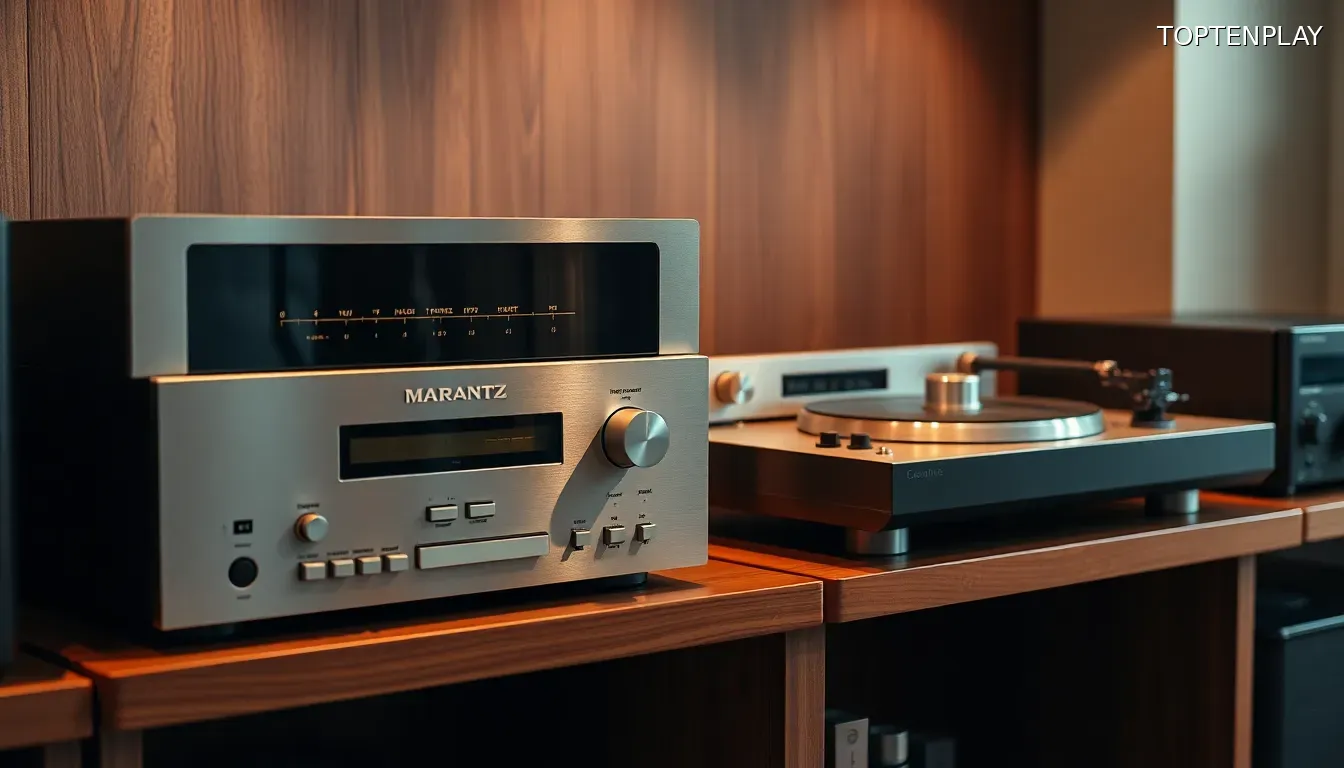
Audio equipment delivers even bigger surprises. The vinyl revival has transformed vintage sound systems into collector currency. “Everyone wants a record player these days — vinyl is huge again,” confirms Schwartz. « Components like turntables and gear for audiophiles, like Marantz amplifiers, are very valuable. »
Marantz amplifiers from the 1970s now command four-figure prices. Original Technics turntables fetch similar amounts. Even damaged units sell for parts, making condition less critical than brand recognition.
Light fixtures represent the most overlooked category. Unwired chandeliers and sconces intimidate buyers, creating opportunity for informed sellers. « People don’t always realize they can be restored, » notes Barfield. Professional rewiring costs hundreds, but restored vintage fixtures sell for thousands.
The pattern emerges clearly: items requiring knowledge or effort to appreciate consistently outperform obvious collectibles in today’s market.

Grandma’s Legacy: Family Heirlooms That Pay
Knowledge becomes even more valuable when applied to family treasures gathering dust in dining room cabinets. The sentimental items passed down through generations often hide the biggest financial surprises.
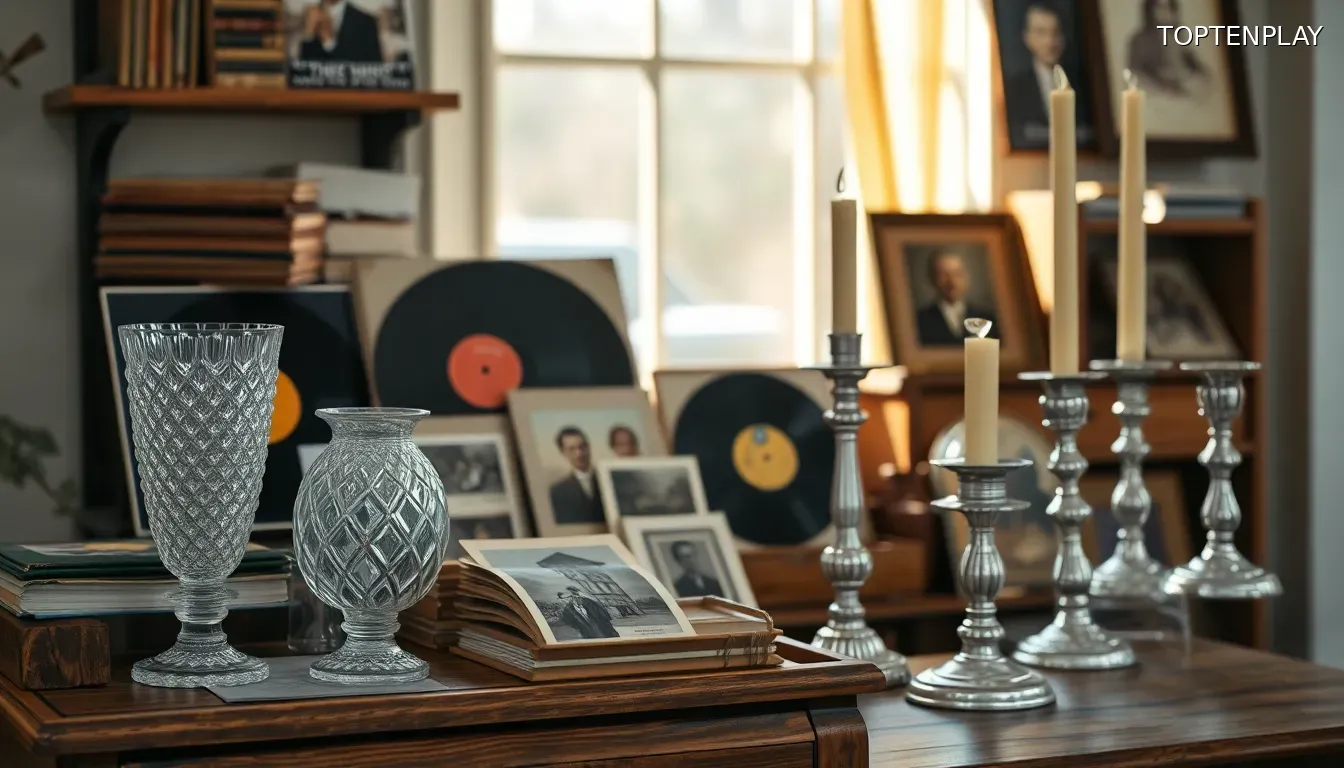
Crystal and glassware lead this category. “Etched or cut crystal from companies like Fostoria or Cambridge can be worth a lot, especially full sets or rare patterns,” explains Barfield. Complete dinner services command premium prices. Individual pieces sell well, but collectors pay exponentially more for matching sets. Fostoria’s American pattern and Cambridge’s Crown Tuscan regularly exceed $1,000 for complete collections.
Sterling silver presents identification challenges that create opportunity. « Many people don’t realize they’re sitting on sterling because it’s not always labeled clearly, » reveals Barfield. The secret lies in small markings. Look for hallmarks or stamps like ‘925’ or ‘sterling’ on flatware or serving pieces. Tiffany & Co. pieces multiply values significantly, with simple spoons selling for hundreds.
Gold charm bracelets represent the ultimate hidden goldmine. “Each charm can go from $100 to $300, so an individual charm bracelet can be a literal goldmine,” confirms Schwartz. The scarcity factor drives prices higher. « People started melting down these charm bracelets when gold prices soared and it’s hard to find the charms anymore. »
Single bracelets containing twenty charms routinely sell for $2,000-$6,000. The emotional stories behind each charm create additional collector appeal, transforming grandmother’s jewelry into serious investment pieces.

Collector’s Gold: From Concert Stubs To Comic Books
The emotional value driving charm bracelet prices extends beyond jewelry into unexpected memorabilia territories. Nostalgia collectors create lucrative markets for items most people discard without thought.
Concert tickets lead this surprising category. Ticket stubs from famous bands and 1960s music festivals like Woodstock or Montreux Jazz Fest command serious money, according to Schwartz. Original Woodstock stubs sell for thousands. Even lesser-known venue tickets from legendary performers generate substantial returns. The key lies in authentication and condition.
Blue Danube dishes represent another collector obsession. These distinctive blue-and-white patterned pieces, originally made in 1950s Japan, carry specific identification markers. Later American production used different bottom stamps. “Original soup bowls are really difficult to find and can be sold individually,” reveals Schwartz. Complete sets reach premium prices, but individual rare pieces satisfy collector needs.
Paper memorabilia creates the biggest surprises. TV guides, magazines, and comic books predating 1970 hold significant collector value. « People who collect these look for specific issues and will pay top dollar to fill a gap in their collection, » explains Schwartz. First issues, celebrity covers, and complete seasonal runs generate the highest returns.
The collecting psychology drives these markets. Enthusiasts prioritize completion over condition, often paying exponentially more for missing pieces than pristine common items. This gap-filling mentality transforms forgotten household papers into valuable commodities.