📌 Wonton soup: how this 2,000-year-old dish combines protein, vegetables, and comfort in less than 15 minutes
Posted 9 February 2026 by: Admin
The Essence of a Timeless Classic
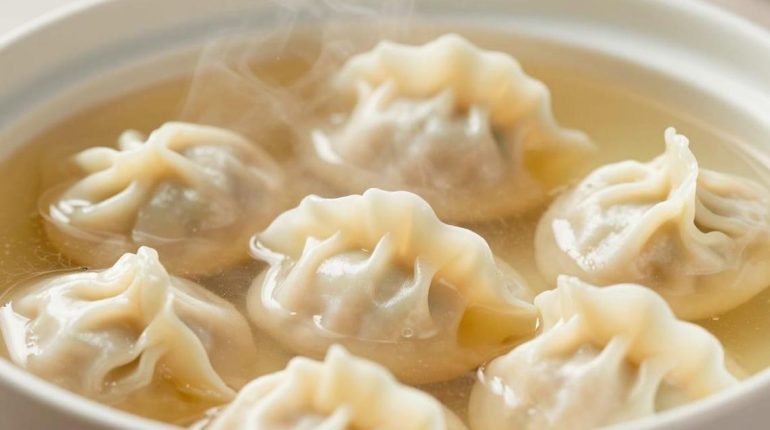
“Swallowing clouds”: this poetic translation of the word wonton captures the delicacy of these dumplings floating in a fragrant broth. This metaphor, born during the Han Dynasty in Northern China, summarizes the essence of a dish that has crossed centuries without aging.
From its appearance, the wonton spread across the Chinese empire, with each region adding its culinary signature. In Canton, chefs prefer a filling of shrimp and pork, an emblematic land-sea marriage of Cantonese gastronomy. In the North, lamb or ground beef naturally prevailed, reflecting local pastoral traditions. This regional adaptability demonstrates remarkable culinary plasticity.
Chinese immigration in the 19th and 20th centuries propelled the wonton far beyond Asian borders. From San Francisco to Paris, from Sydney to London, this soup has established itself permanently in the global gastronomic imagination. Chinese restaurants in the West have made it a staple on their menus, transforming a traditional dish into a symbol of accessible and comforting cuisine.
Today, wonton soup simultaneously embodies a millennial cultural heritage and universal comfort. This double dimension explains its constant presence in home kitchens as well as in Michelin-starred establishments, proof of a relevance that defies fleeting trends.
The Secrets of Universal Popularity
This global spread is no accident. Wonton soup combines culinary assets that explain its status as a comfort food across all generations.
Nutritional balance is its first asset. Protein from the filling, vegetables from the broth, carbohydrates from the dough: every spoonful offers a complete nutritional spectrum in a single bite. This nutritional completeness allows the dish to be served as either a light appetizer or a main meal, depending on the adjusted quantities.
The versatility of the fillings then appeals to all palates. Delicate shrimp, tender chicken, savory pork, or vegetarian versions: the wonton welcomes ingredients without discrimination according to preferences, dietary restrictions, or market availability. This adaptability guarantees universal satisfaction without compromising the authenticity of the concept.
The time factor finally convinces busy cooks. Unlike stews requiring hours of monitoring, wontons cook in just 5 to 6 minutes in the simmering broth. This speed of execution transforms an ancestral classic into a pragmatic solution for weeknight dinners, without sacrificing the expected comfort of a homemade dish.
This rare combination of lightness, customization, and practicality explains why wonton soup crosses eras while keeping its power of attraction intact. All that remains is to master its preparation to reproduce this magic at home.
The Authentic Recipe Decoded
Mastering this preparation requires a precise method, but one accessible to any motivated cook. Success rests on three pillars: the filling, the folding, and the broth.
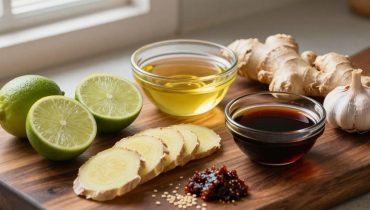
The composition of the filling determines 80% of the final result. For a traditional recipe, mix 250 grams of ground pork with two sliced green onions, one tablespoon of soy sauce, one teaspoon of sesame oil, grated ginger, and a pinch of white pepper. The homogeneity of the mixture conditions the uniform distribution of flavors. Use only one teaspoon of filling per wonton wrapper: too much filling prevents sealing, too little disappoints the palate.
The folding follows an unchangeable protocol. Moisten the edges of the square dough, place the filling in the center, fold into a triangle while pushing out the air, then join the two opposite corners to form the characteristic silhouette. This geometry is not just for aesthetics: it maximizes the surface area in contact with the broth.
The broth requires just as much attention. Bring six cups of chicken broth to a simmer with minced garlic, ginger, soy sauce, and sesame oil. Adding bok choy or spinach enriches the vegetable dimension without weighing down the whole. Gently drop in the wontons: they are cooked when they float to the surface after 5 to 6 minutes, a sign that the filling has reached food-safe temperature.
This methodical rigor guarantees consistent results, transforming initial intimidation into a mastered technical skill.
Nutritional Profile and Adaptability
This preparation delivers a remarkable balance between lightness and nutritional density. A standard portion contains only 250 calories while providing 18 grams of protein — a substantial contribution for a dish perceived as light. This protein-to-carb ratio (18g vs. 20g) promotes lasting satiety without causing the digestive heaviness typical of starch-rich meals.
The fat content remains contained at 10 grams per bowl, mainly from the ground pork and sesame oil. Two grams of fiber come from the green vegetables added to the broth, a modest but welcome contribution in a dish where texture takes precedence over vegetable volume. The mention of 700 milligrams of sodium deserves attention: it represents about 30% of the recommended daily intake, a manageable level but one to monitor for people on sodium restrictions.
This nutritional base accepts countless variations. Replace pork with shrimp to reduce saturated fats, or opt for crumbled tofu in a vegetarian version. The broth itself tolerates adjustments: a miso version for fans of pronounced umami, vegetable broth for an entirely plant-based approach, or enrichment with lemongrass for a Thai note.
Adaptability is precisely the asset that transforms a traditional recipe into a creative canvas, allowing each cook to adjust textures and flavors according to dietary constraints or momentary inspirations.