📌 Winter vegetable soufra: how to transform filo pastry into a golden spiral with butternut and leek
Posted 26 February 2026 by: Admin
The Art Of Spiral Filo Pastry: A Spectacular Visual Technique
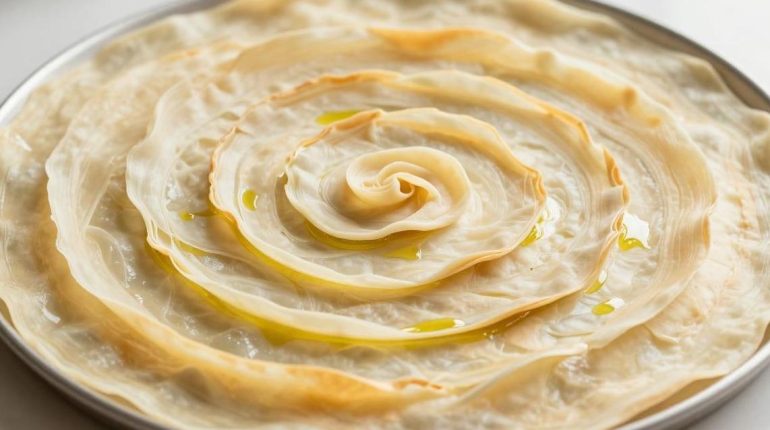
The winter vegetable soufra is distinguished by a stunning architecture that transforms simple sheets of filo pastry into a spiral structure of rare elegance. The technique relies on methodical layering: each pair of sheets, brushed with olive oil between layers, is pleated like an accordion before being rolled into a snail shape in the center of the 30 cm round dish. This approach, far from being purely aesthetic, creates airy meanders where the vegetables will be nestled.
The gesture is precise: after placing the first two oiled sheets at the bottom of the dish and sprinkling them with half of the chopped herbs and a quarter of the vegetables, the following sheets adopt a repetitive rhythm. Oil, layering, folding, rolling. The essence lies in the flexibility of the rolling – tightening would compress the pastry and stifle its natural volume. These generous folds, undulating from the center to the edges, form cavities ready to welcome butternut and leek.
This presentation method, borrowed from Mediterranean traditions, elevates a functional recipe to the rank of a visual creation. Each spiral of golden pastry promises a contrasting bite between crispy and melting, while the relief architecture guarantees a harmonious distribution of flavors in every slice.
Butternut And Leek: The Winter Alliance In The Meanders Of The Pastry
This pastry architecture finds its meaning in the integration of vegetables, orchestrated with a precision that reveals the full intelligence of the recipe. The half butternut squash, peeled and deseeded, is transformed into thin slices that will follow the curves of the spiral. The leek, washed and cut into delicate rounds, completes this winter duo with its vegetable sweetness. This meticulous preparation determines the final success: vegetables that are too thick would refuse to slip into the airy folds of the pastry.
The cooking strategy reveals a decisive subtlety. After placing a quarter of the vegetables at the bottom of the dish with the herbs, the spiral-rolled pastry structure goes into the oven for 20 minutes at 170°C. This first blind bake allows the filo pastry to begin crisping without the moisture from the raw vegetables. It is only after this step that the butternut and leek are inserted into the meanders of the spiral, slipped delicately between the folds.
This butternut-leek association is not accidental: the slightly sweet density of the squash responds to the fine aniseed notes of the leek, creating a gustatory balance that runs through the entire structure. Each fold becomes a setting for these winter vegetables, guaranteeing a homogeneous distribution that avoids dry or overloaded areas once the mixture is poured.
The Fresh Herb Mixture: When Mediterranean Flavors Join In
The structure of pastry and vegetables finds its completion in a mixture that concentrates all the aromatic dimension of this revisited soufra. The dill-mint-lemon zest trio, already sprinkled at the bottom of the dish during the first step, reappears in the liquid preparation according to a logic of progressive intensification. This double incorporation ensures a constant presence of fresh notes, from the crispy base to the golden surface.
The mixture itself combines richness and balance: eggs whisked with milk and cream form a creamy base, enhanced by paprika and garlic powder which bring depth and warmth. The chopped herbs and grated lemon zest blend in to create a texture dotted with green and yellow touches. This aromatic preparation must be poured delicately into the dish, ensuring it diffuses into all the interstices of the spiral without crushing the airy structure.
The acidity of the lemon and the vivacity of the mint counterbalance the creamy density of the mixture, while the dill brings its characteristic aniseed note that dialogues with the leek. This Mediterranean palette transforms what could have been just an ordinary gratin into a fragrant composition where each bite reveals several layers of flavor. The final pouring seals the whole before 25 minutes of cooking which will allow the mixture to set while preserving the softness.
Mastered Cooking And Service: The Secrets Of A Perfect Soufra
This aromatic orchestration finds its full expression in a cooking process designed to preserve each element. The moderate temperature of 170°C constitutes the first technical choice: too high, it would brutalize the filo pastry and harden the mixture; too low, it would compromise the crispiness of the structure. This gentle heat allows for homogeneous cooking that respects the delicacy of the sheets while ensuring the complete setting of the egg preparation.
The process takes place in two distinct phases: an initial 20 minutes to set the pastry spiral and start the cooking of the inserted vegetables, then an additional 25 minutes after pouring the mixture. This sequence guarantees that the base retains its airy texture without being soaked by the liquid, while the vegetables reach a melting tenderness. The total cooking time of 45 minutes transforms the separate elements into a coherent whole where golden pastry, candied vegetables, and fragrant cream respond to each other.
The soufra accepts a rare flexibility: served hot, it reveals all its comforting generosity; lukewarm, it allows the nuances of the herbs and the sweetness of the butternut to be better perceived. The accompaniment of a simple green salad is not a trivial suggestion: its crunchy freshness and tangy dressing counterbalance the richness of the mixture, offering a contrast with each bite that revives the appetite. This hybrid dish between tart and gratin thus finds its final balance in the precision of the culinary gesture.