Image d’illustration © TopTenPlay EN
Durability And Weather Resistance: The Battle Of Longevity
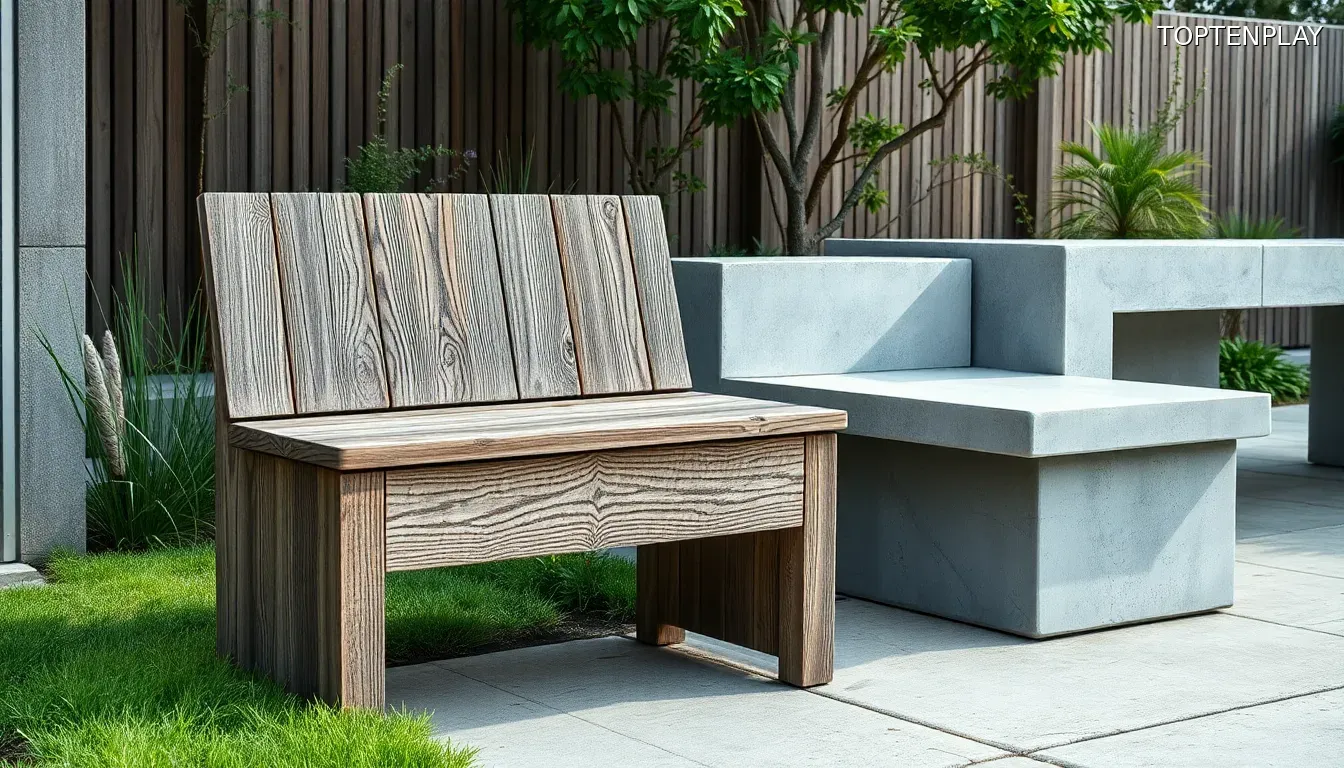
When investing in outdoor furniture, longevity becomes the ultimate deciding factor. The stark contrast between concrete and wood in terms of weather resistance reveals a fundamental truth about material science applied to garden design.
Concrete emerges as the undisputed champion of durability. Good-quality concrete benches can withstand decades of exposure to harsh weather conditions, maintaining their structural integrity through countless freeze-thaw cycles, torrential rains, and scorching summers. This remarkable resilience stems from concrete’s inherent composition, which becomes stronger over time when properly cured. The maintenance requirements remain refreshingly minimal – an occasional sealing every few years provides adequate protection against moisture penetration and frost damage.
Wood presents a more complex durability equation. Traditional wooden benches face an ongoing battle against the elements, gradually succumbing to fading, decay, and splintering under prolonged outdoor exposure. However, premium wood species rewrite this narrative entirely. Teak stands as wood’s answer to concrete’s dominance, featuring natural oils that actively repel pests and prevent decomposition. These protective compounds create an internal defense system that enables teak to age gracefully, even without chemical treatments.
Yet even the most durable wooden benches demand consistent attention. Regular sanding, staining, and refinishing become essential rituals for maintaining their longevity, transforming ownership into an ongoing maintenance commitment. This reality positions concrete as the low-maintenance alternative for those seeking decades of reliable service without intensive upkeep requirements.
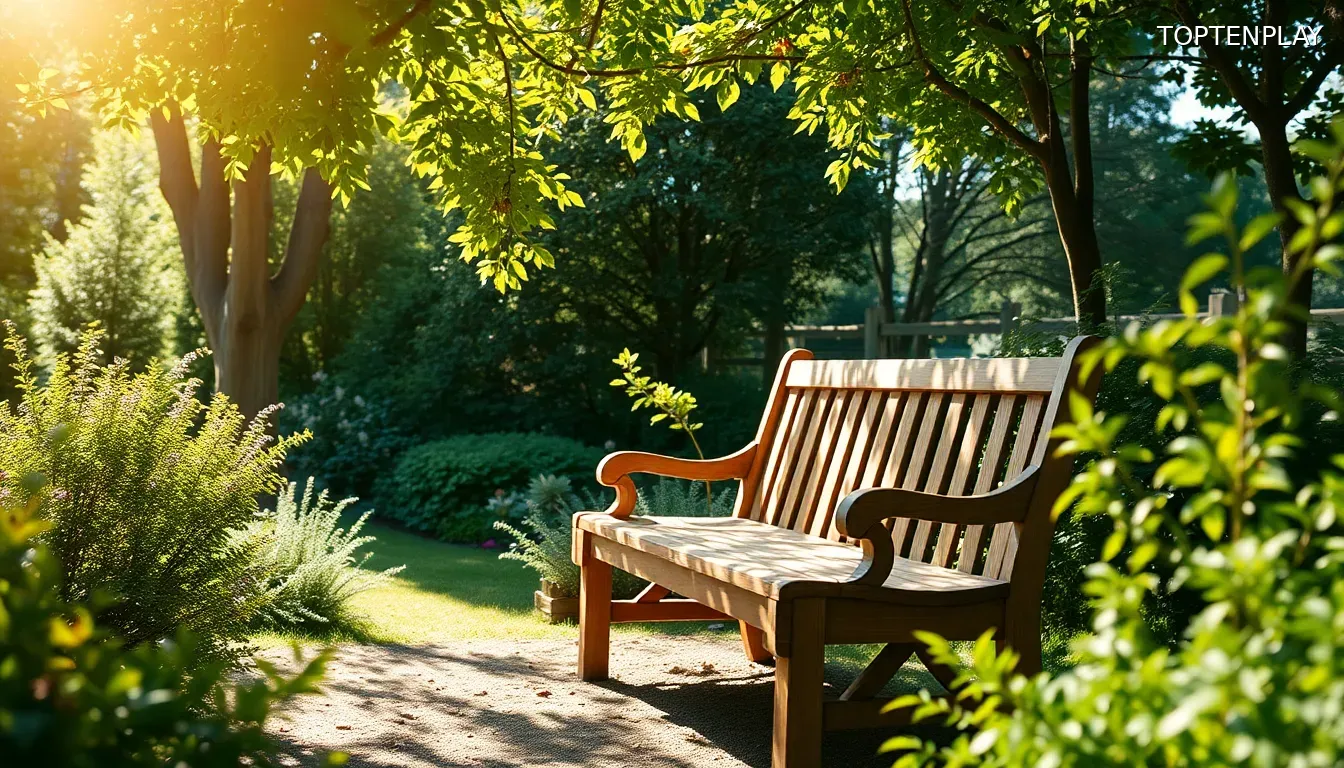
Image d’illustration © TopTenPlay EN
Comfort And Practicality: The User Experience Factor
While durability matters for long-term investment, daily comfort determines whether a garden bench becomes a cherished retreat or an abandoned fixture. The user experience reveals where concrete’s structural supremacy meets its most significant weakness.
Concrete benches present a fundamental comfort paradox. Despite their impressive longevity, they fail spectacularly at their primary function: providing a pleasant seating experience. Extended sitting sessions become exercises in endurance rather than relaxation. The material’s thermal properties create seasonal extremes that border on the unbearable – bone-chilling coldness during winter months transforms into scorching heat under summer sun exposure.
These comfort limitations demand practical workarounds. Patio cushions become essential accessories rather than optional additions, while strategically positioned umbrellas provide necessary shade relief. However, these solutions introduce maintenance requirements that somewhat negate concrete’s low-upkeep advantage.
Wood delivers an inherently superior user experience. Its natural warmth creates immediate comfort that requires no additional accessories or seasonal adjustments. The material’s organic aesthetic brings a timeless appeal that blends seamlessly with garden environments, creating visual harmony between hardscape and landscape elements.
Practical mobility presents another decisive factor. Concrete’s substantial weight renders repositioning virtually impossible, locking the bench into permanent placement decisions. Wood’s manageable weight allows seasonal adjustments, optimal sun exposure positioning, and flexible landscape design evolution. This adaptability transforms the bench from a static fixture into a dynamic garden element that evolves with changing needs and preferences.
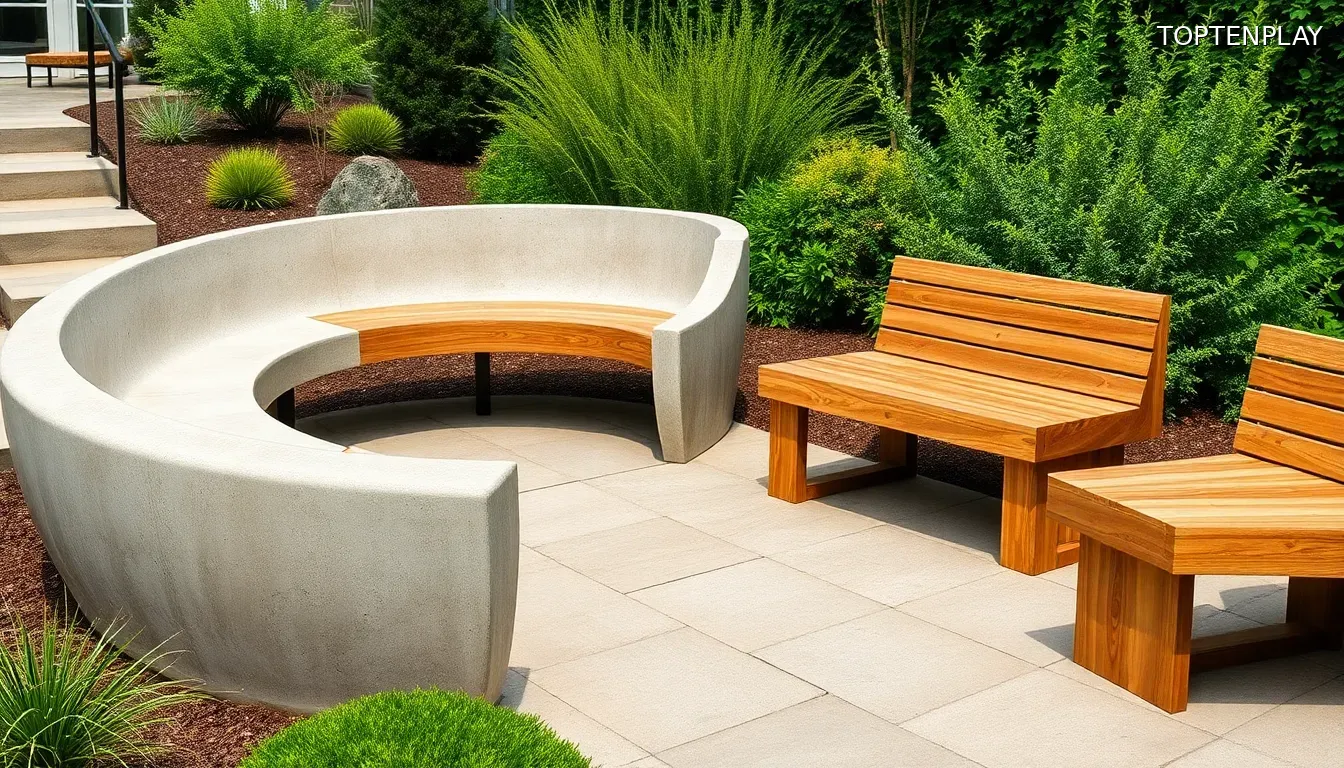
Image d’illustration © TopTenPlay EN
Design Flexibility And Customization Options
This adaptability extends beyond practical positioning into the realm of creative expression, where material choice fundamentally determines design possibilities. The customization potential reveals each material’s distinct artistic capabilities and aesthetic integration strengths.
Concrete emerges as the ultimate design chameleon. Its moldable nature eliminates virtually every creative constraint, allowing customization into any conceivable shape, size, color, or texture. Homeowners can commission benches that curve around garden features, incorporate built-in planters, or feature intricate engraved patterns that reflect personal style. This unlimited flexibility transforms functional seating into sculptural art pieces that serve as garden focal points.
The material’s versatility extends to surface treatments and finishes. Concrete accepts pigments, aggregates, and texturing techniques that create everything from smooth modern minimalism to rustic stone-like appearances. Personal touches become permanent features – family names, decorative motifs, or commemorative designs can be etched directly into the surface during construction.
Wood offers a different but equally compelling design philosophy. Its natural beauty creates instant visual harmony with garden environments, blending seamlessly with trees and plants to establish organic continuity. The material’s inherent grain patterns, color variations, and aging characteristics provide built-in aesthetic appeal that requires no artificial enhancement.
Wooden benches accommodate diverse architectural styles through varied construction techniques, from sleek contemporary lines to elaborate traditional craftsmanship. The material accepts stains, paints, and finishes that can complement existing outdoor décor while maintaining its natural warmth. However, wood’s design flexibility operates within nature’s parameters rather than defying them entirely.
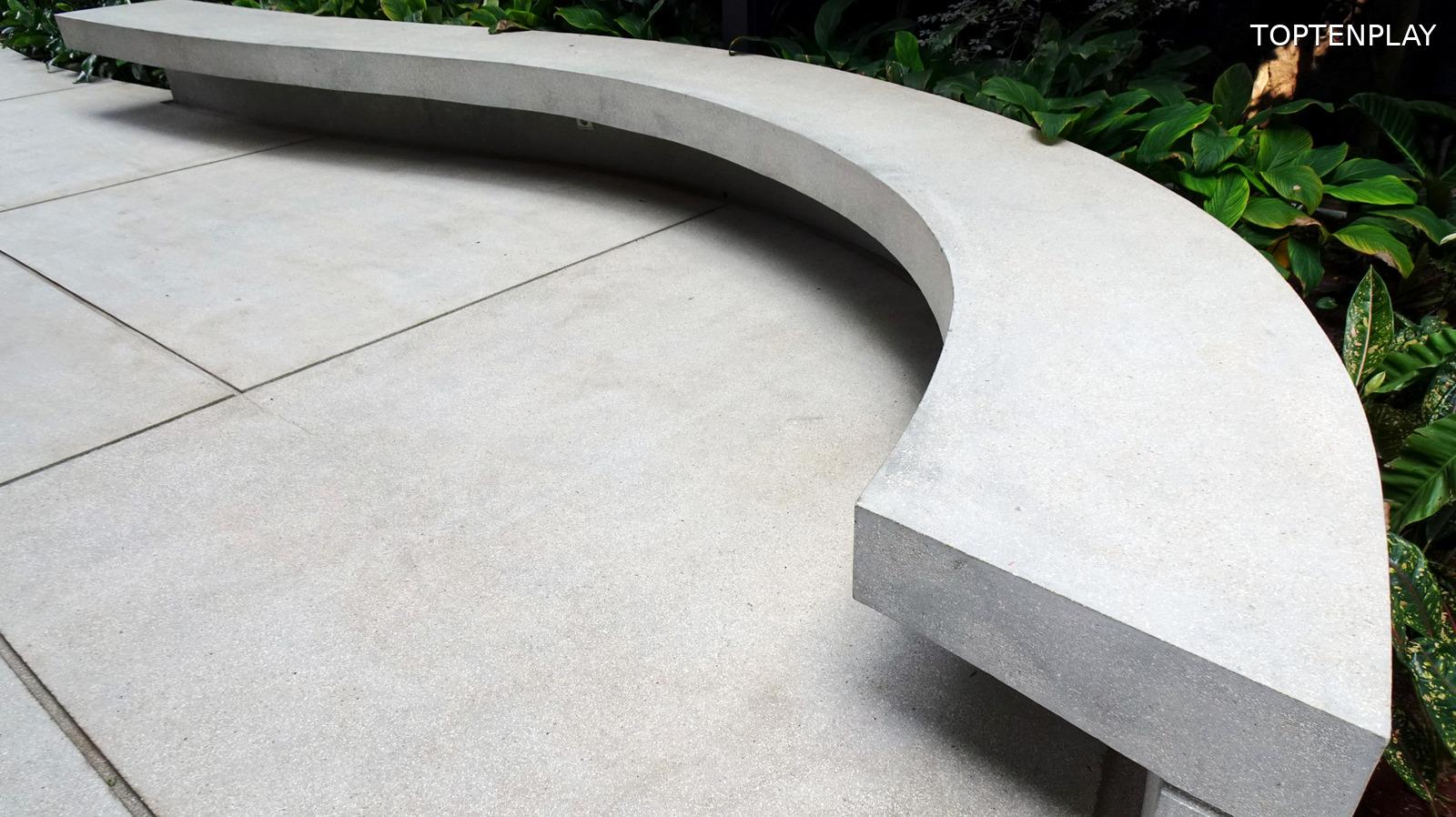
Image d’illustration © TopTenPlay EN
Cost Analysis And Environmental Considerations
These extensive customization capabilities inevitably influence both budget requirements and environmental impact, creating distinct financial and sustainability profiles that savvy homeowners must evaluate carefully.
Concrete’s weight disadvantage translates directly into significant shipping expenses. The material’s density makes transportation costly, particularly for custom designs or long-distance deliveries. While the bench itself may carry a reasonable price tag, freight charges can dramatically inflate the total investment. However, concrete’s decades-long lifespan with minimal maintenance needs often justifies this initial expense through reduced long-term replacement costs.
Wood presents a more complex economic equation. Basic wooden benches remain remarkably affordable, making them accessible to budget-conscious homeowners. Yet quality pieces featuring exceptional craftsmanship, premium species like teak or cedar, and intricate designs command substantially higher prices. The material’s lighter weight keeps shipping costs manageable, but ongoing maintenance expenses – staining, refinishing, repairs – accumulate over time.
Environmental considerations favor wood decisively. As a renewable resource, timber offers inherent sustainability advantages that concrete cannot match. The eco-friendly benefits multiply when homeowners embrace restoration and repurposing practices. Wood is “eco-friendly — as long as you have the habit of repurposing or restoring your old outdoor furniture when the time comes.”
Concrete production involves significant carbon emissions and resource consumption, though its exceptional longevity partially offsets initial environmental costs. The material’s permanence reduces replacement frequency, but disposal challenges remain when eventual replacement becomes necessary. This sustainability framework ultimately shapes long-term value propositions beyond mere purchase price considerations.