From a home security standpoint, a closed door also adds a layer of protection. It creates an additional physical barrier that can deter or slow an intruder, giving occupants more time to react and call for help in the event of a break-in.
Smoke detectors, evacuation plans, and the other steps that complete your safety routine
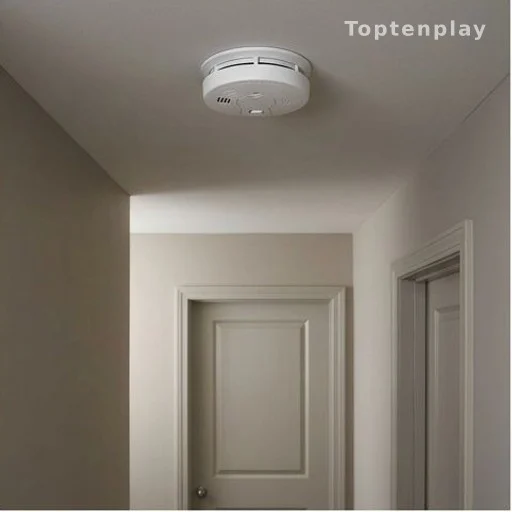
Closing your bedroom door is most effective as part of a broader fire safety routine. Fire safety guidance recommends installing smoke detectors on every floor of the home, including in garages, and testing those alarms monthly to confirm they are functioning correctly.
Equally important is keeping bedroom doors unlocked at night. A closed door only helps if it can be opened quickly when escape is necessary. A locked door in a fire can become a fatal obstacle.
Finally, every household should have a clear evacuation plan — and practice it. Knowing the fastest route out of every room, identifying a meeting point outside, and ensuring all occupants understand the plan are steps that transform good habits into effective emergency responses.
The next step for any household is a practical one: check that smoke detectors are installed on every floor and that batteries are up to date. From there, drafting and rehearsing a home evacuation plan — including designated exit routes and a meeting point outside — turns this single nightly habit into a complete safety framework. The question of whether newer smart home fire detection systems can further extend warning times is one that fire safety researchers continue to examine.
Suggested Posts

Two Identical Officers, One Hidden Difference: Can You Find It?
At first glance, the two police officers in this image look completely identical — same deep blue uniforms, same black sunglasses, same utility belts,…