📌 Warm chicken-vegetable salad: 300 kcal and 30 minutes for a complete dish that preserves all nutrients
Posted 27 March 2026 by: Admin
A Balanced Dish at the Heart of the Weight Watchers Trend
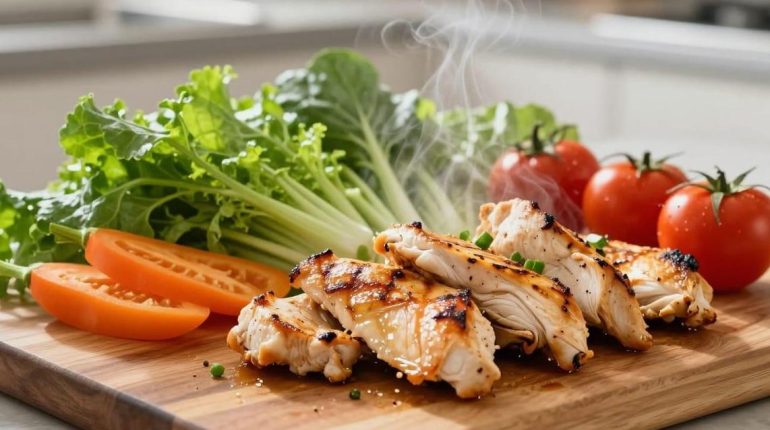
The warm chicken and vegetable salad revolutionizes the codes of balanced eating. Unlike traditional cold salads, this warmed-up version offers a comforting dimension without compromising Weight Watchers principles. The grilled chicken, tender and fragrant, combines with lightly sautéed vegetables that retain their natural crunch.
This recipe intelligently marries lean proteins and vegetable fibers. Chicken breasts provide 30 grams of protein per serving, while zucchini, carrot, bell pepper, and cherry tomatoes enrich the plate with vitamins A, C, and K. The preparation preserves authentic flavors: no heavy sauce, only a light mixture of plain yogurt, mustard, and lemon.
The major asset lies in its seasonal customization. In summer, favor fresh tomatoes and zucchini. In autumn, integrate squash and mushrooms. This flexibility transforms a simple dish into a daily solution adaptable to cravings and the calendar.
With only 30 minutes on the clock — 15 for preparation, 15 for cooking — this salad stands out as the ideal option for an express lunch or a light dinner. It proves that controlled eating rhymes with gustatory pleasure, without sacrificing taste or satiety. A perfect balance between efficiency, health, and reasoned indulgence.
The Step-by-Step Method for Perfect Execution
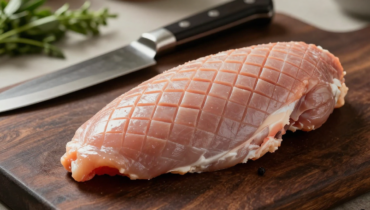
The success of this salad relies on mastered sequential cooking. Start by cutting the chicken breasts into regular strips. In a pan heated with a tablespoon of olive oil, brown them for 8 to 10 minutes over medium heat. Add paprika and herbes de Provence from the start: these spices infuse the meat without weighing down the caloric profile. The secret to juicy chicken? Avoid high heat which dries out the fibers.
While the chicken rests, prepare the vegetables. Zucchini slices, carrot strips, bell pepper strips: this diversity of cuts brings visual dynamism. In the same pan, start the carrot three minutes before incorporating the zucchini and bell pepper. Seven minutes are enough to obtain slightly crunchy vegetables, bursting with preserved nutrients. Add the halved cherry tomatoes only at the end of cooking: they warm up without disintegrating.
The light sauce is prepared in parallel. Mix plain yogurt, mustard, and lemon in a bowl. Taste before seasoning: the balance between acidity and creaminess determines the final success. This light vinaigrette advantageously replaces traditional dressings saturated with fat.
The final assembly creates the desired contrast: fresh arugula as a base, chicken and vegetables still warm on top, sauce poured at the last moment. Serve immediately to enjoy this play of temperatures that transforms a simple salad into a comforting taste experience.
Customization and Creative Variations
This recipe adapts to all diets without losing its soul. For a vegetarian version, replace the chicken with diced grilled tofu or chickpeas roasted in the oven with the same spices. These alternatives provide protein and texture while maintaining the desired nutritional balance.
Lovers of strong flavors will opt for the spicy variant: a pinch of Espelette pepper or a teaspoon of curry transforms the aromatic profile. Conversely, the gourmet version integrates a few parmesan shavings or a handful of toasted sunflower seeds. These targeted additions enrich the dish without compromising its lightness.
The Mediterranean variation seduces with its simplicity: pitted black olives and feta cubes replace the yogurt sauce. This salty-tangy duo evokes sunny shores while respecting the principles of controlled eating.
Three rules guarantee success regardless of the chosen variant. Preserve the crunchiness of the vegetables by carefully monitoring cooking times. Systematically adjust the seasoning of the sauce before pouring it: every palate perceives the acidity of the lemon and the pungency of the mustard differently. Finally, always cook the chicken over moderate heat to prevent it from drying out.
This total flexibility transforms a basic recipe into a personal culinary repertoire. Adapt according to your cupboards, your current cravings, or the seasonal vegetables available on the stalls.
Nutritional Benefits and Daily Integration
This warm salad boasts a remarkable nutritional profile: 300 to 350 kilocalories per serving, with 30 grams of protein, 15 grams of carbohydrates, and only 10 grams of lipids. This optimal ratio supports lasting satiety without weighing down the day’s energy balance.
The fibers provided by the vegetables facilitate digestion while vitamins A, C, and K strengthen natural defenses. Chicken provides essential lean protein for the preservation of muscle mass, particularly appreciated in the context of dietary rebalancing.
Beyond the numbers, this recipe solves a daily equation: preparing a healthy meal in 30 minutes flat. The ingredient list remains accessible, the techniques require no culinary expertise, and the use of a single pan simplifies the washing up. These practical assets eliminate the usual excuses for giving in to industrial dishes.
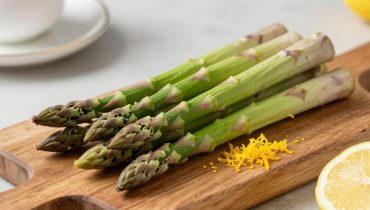
Seasonal adaptability is another decisive advantage. Replace zucchini with asparagus in spring, bell pepper with roasted squash in autumn. This flexibility transforms the recipe into a permanent base of the culinary repertoire.
By offering a real alternative to heavy dishes, this warm salad proves that controlled eating and gustatory pleasure can coexist. It fits naturally into a balanced routine without generating frustration or monotony, two major pitfalls of any lasting dietary change.