📌 Waking up with bruises on your legs, a dangerous sign that you should not ignore
Posted 4 September 2025 by: Admin
Waking up with unexplained bruises on your legs can be unsettling. While some vanish without concern, others may signal underlying health issues. Recognizing the exact cause is key to taking timely action and preventing serious complications.
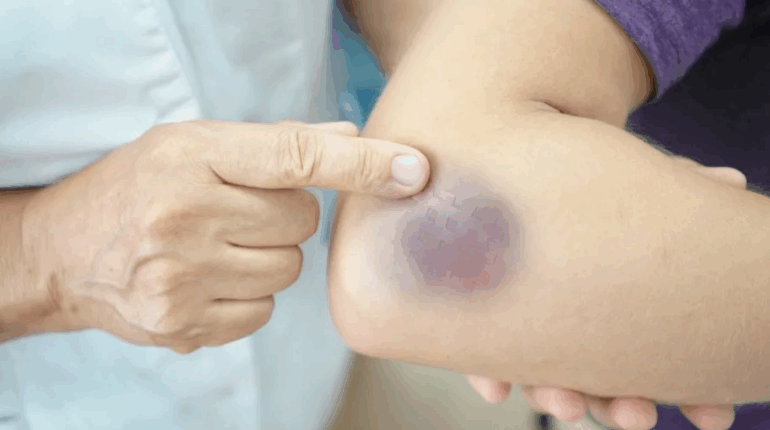
Almost everyone has noticed mysterious bruises on their legs in the morning. Yet, their true causes are often misunderstood. Bruises occur when tiny blood vessels beneath the skin rupture. Blood seeps out, red blood cells break down, and the skin changes color from purple to blue, then yellow as it heals. If not related to an illness, these marks typically fade within weeks. However, if the cause is medical, early evaluation is essential.
Common Causes of Morning Bruises on the Legs
Diabetes
Morning bruises may be an early warning sign of diabetes. High blood sugar weakens blood vessels, skin, and nerves, leading to capillary bleeding. If bruises appear without prior impact, diabetes should be considered.
Over-exercising
Excessive physical activity can rupture small capillaries beneath the skin. Athletes or those training intensively should take precautions to avoid trauma or severe injuries.
Aging
With age, collagen production decreases and the protective fat layer under the skin thins. People over 60 often develop bruises more easily, sometimes from even slight pressure.
Blood Disorders
Certain blood-related conditions cause large, spontaneous bruises. Frequent unexplained bruises require medical assessment, as they may be linked to clotting disorders.
Medication Use
Long-term use of drugs such as aspirin, anticoagulants, anti-inflammatories, oral contraceptives, or certain antidepressants weakens blood vessels, making bruising more likely.
Purpura
Purpura occurs when blood leaks from small capillaries, creating clusters of purple spots on the skin. In some cases, itching may also appear.
Vitamin Deficiency
Vitamin deficiencies weaken vascular walls. A lack of vitamin C is most common. Vitamin B12 deficiency disrupts blood production, vitamin K deficiency lowers clotting ability, and vitamin P deficiency reduces collagen strength.
Hormonal Imbalance
Hormonal shifts, particularly reduced estrogen, make capillaries more fragile. Women who are menopausal, pregnant, or on hormone therapy often experience spontaneous bruising.
How to Treat and Manage Bruises
Treatment is most effective immediately after a bruise forms. In case of injury:
Apply a cold compress for 5–10 minutes within the first 72 hours.
Never place ice directly on the skin; leave at least an hour between applications.
Cold therapy reduces bleeding under the skin and also helps with sprains, insect bites, muscle pain, and gout flare-ups.
If you notice a bruise upon waking:
Elevate the bruised leg to improve blood flow.
Limit movement in the affected area to avoid worsening the bruise.
When to Seek Medical Attention
Seek medical care if:
The bruise is accompanied by fever.
It appears around the eyes.
The area becomes swollen, red, or extremely painful.
You cannot move the affected part.
The bruise lasts more than two weeks.
Bruises occur suddenly and frequently without clear cause.
In such cases, only a healthcare professional can identify the underlying reason and recommend the right treatment.