📌 Turmeric for whitening teeth: the real limits of this popular natural remedy
Posted 27 February 2026 by: Admin
The Turmeric Phenomenon: Why This Natural Remedy Is Taking Over Social Media
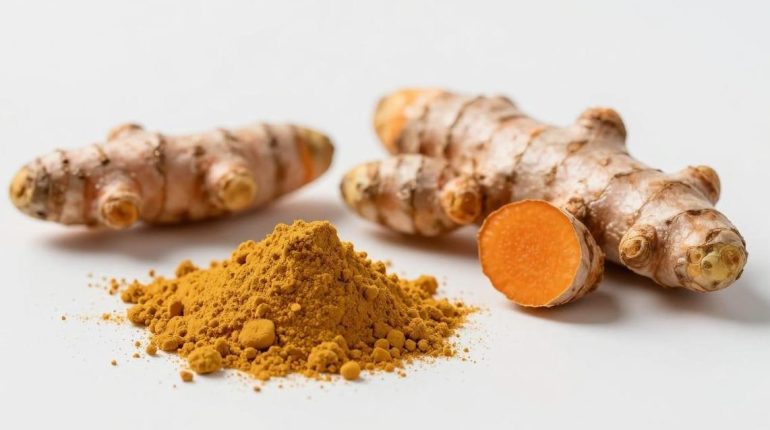
Coconut oil, activated charcoal, and now turmeric: natural teeth whitening methods are multiplying on digital platforms, driven by a collective quest for alternatives to chemical treatments. This golden spice, a pillar of Ayurvedic medicine for millennia, is now establishing itself as the new star of oral care on Instagram and TikTok.
The scientific reason for this craze lies in curcumin, this bioactive compound with documented antibacterial and anti-inflammatory properties. Research shows that this molecule limits the proliferation of bacteria responsible for dental plaque, while soothing gum inflammation. In a context where consumers seek transparency and naturalness, turmeric ticks all the boxes: accessible, versatile, and scientifically interesting.
Wellness influencers readily combine it with coconut oil for oil pulling, honey for its antibacterial virtues, or even salt for a “detoxifying” effect. These mixtures promise sparkling teeth without resorting to peroxides or expensive professional treatments. But between viral posts and clinical reality, a considerable gap persists that should be examined with rigor.
What Turmeric Can Actually Do For Your Teeth (And Gums)
Beyond the fashion effect, curcumin possesses verified clinical properties that partially justify the interest in this spice. Studies confirm its antibacterial action against oral pathogens, notably Streptococcus mutans responsible for plaque formation. This ability to limit bacterial proliferation explains why some users notice an increased sensation of cleanliness after application.
The most documented effect concerns gingival health. Curcumin acts as a powerful natural anti-inflammatory, capable of soothing swollen or irritated gums. For people suffering from chronic inflammation, this property represents a real benefit, although modest compared to conventional dental treatments. Several studies suggest that curcumin-based mouthwashes can reduce inflammatory markers as effectively as some commercial antiseptics.
Regarding whitening itself, the results remain subtle. Turmeric does not act as a whitening agent in the strict sense, but rather as a gentle cleanser. By helping to eliminate bacterial biofilms, it can allow the natural enamel to temporarily regain its original shade, masked by deposits. Some users report a progressive fading of surface stains, but these observations remain anecdotal and variable according to dental profiles.
These benefits, while real, must not obscure a fundamental reality: turmeric does not replace any professional dental treatment and cannot correct any existing structural damage.
The Limits And Unknown Dangers: What You Aren’t Told About This Method
Behind the viral promises hide risks that few contents dare to address. Turmeric can neither rebuild enamel nor repair cavities, contrary to what some manipulative publications suggest. Any claim pretending to “heal holes” in teeth is pure misinformation. Cavities require professional dental intervention: no spice, however virtuous, can reverse advanced tissue destruction.
The real danger emerges when mixing with abrasive substances. Many tutorials recommend combining turmeric with salt or baking soda to “maximize the whitening effect.” This combination, rubbed energetically against the enamel, causes irreversible erosion. Once enamel is thinned or destroyed, it never grows back. Consequences include increased tooth sensitivity, vulnerability to cavities, and permanent gum damage.
“Before/after” photos flooding social media exploit visual manipulation techniques: different lighting, digital retouching, or worse, results of professional whitening fraudulently attributed to turmeric. This content generates unrealistic expectations and pushes users to adopt aggressive protocols, hoping to reproduce transformations impossible to obtain naturally. Prudence dictates systematically questioning any spectacular result presented without independent clinical validation.
Safe Usage Protocol And Dentist-Validated Alternatives
For those who still wish to try the experience, a rigorous protocol is required. Mix small amounts of turmeric with coconut oil, never with salt or baking soda. Apply the mixture without rubbing, gently dabbing on the teeth, and rinse thoroughly after three minutes maximum. This use must remain occasional – once or twice a month at most – to avoid any excessive stress on the enamel. Turmeric can temporarily stain soft tissues, hence the importance of meticulous rinsing.
Dental professionals nevertheless recommend proven methods offering predictable and lasting results. A correct brushing technique with a soft-bristled brush, practiced twice a day, far surpasses any natural remedy. Daily flossing eliminates deposits inaccessible to the brush, while mouthwashes with correctly diluted hydrogen peroxide offer moderate whitening without aggressiveness. Biannual professional cleanings remain the absolute reference for maintaining healthy and bright teeth.
Whitening toothpastes with a low abrasivity index are also a safe option for surface stains. Unlike non-standardized homemade mixtures, these products have been clinically tested and formulated to protect enamel while gradually removing stains. Faced with persistent stains or significant aesthetic concerns, dental consultation remains the only reasonable step: only a professional can evaluate the actual state of your teeth and propose an adapted, effective, and risk-free treatment.