📌 Tuna, tomato, and mustard tart: the family recipe that takes 15 minutes to prepare and can be enjoyed hot or cold
Posted 13 March 2026 by: Admin
The Secrets Of An Iconic Tart From French Cuisine
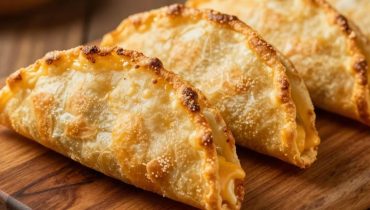
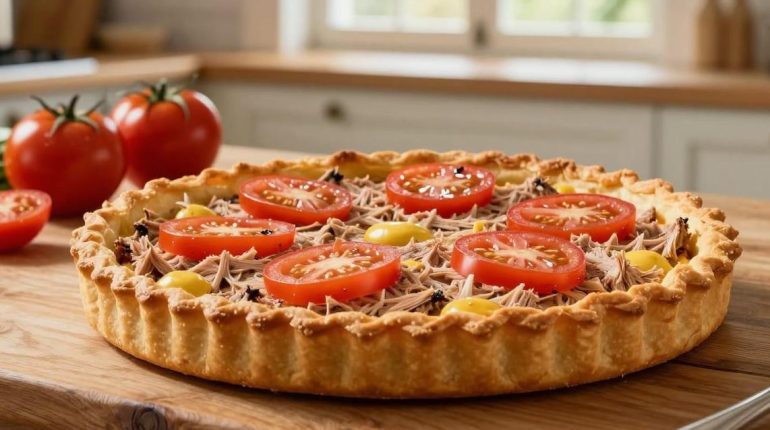
In French kitchens, certain recipes cross generations without ever losing their appeal. The tuna, tomato, and mustard tart is among these timeless classics, appreciated for its ability to transform everyday ingredients into a flavorful and balanced dish. With only 280g of canned tuna, a few fresh tomatoes, Dijon mustard, and a shortcrust pastry, it perfectly illustrates the art of economical family cooking.
What truly distinguishes this preparation is its remarkable versatility. Whether it’s a quick lunch between colleagues, a light dinner accompanied by a crunchy salad, a sunny picnic, or a convivial meal with friends, it adapts to all situations. Its major asset lies in a rare characteristic: the possibility of enjoying it hot, warm, or cold, without altering its taste qualities.
“Very popular in French kitchens, the tuna and tomato tart is often prepared when one wishes to make an economical and quick dish,” reveals the analysis of this recipe which exclusively uses ingredients available in cupboards and the refrigerator. For six people, fifty minutes are enough from preparation to tasting. This combination of accessibility, speed, and flavor explains why this dish has established itself as a reference in French family gastronomy.
The Infallible Technique For Perfect Execution
The success of this tart relies on a precise methodology in eight distinct steps. The process begins with preheating the oven to 180°C, the optimal temperature for uniform cooking. The shortcrust pastry, once unrolled in the mold, must be systematically pricked with a fork to avoid any unwanted swelling. Spreading the mustard uniformly over the entire surface constitutes the aromatic base of the preparation.
The filling combines 3 beaten eggs with 20cl of crème fraîche, 100g of grated cheese, and a touch of herbes de Provence. This garnish, poured delicately over the crumbled tuna and the harmoniously arranged tomato slices, creates the dish’s characteristic flavor balance. The cooking time of 30 to 35 minutes requires a triple check: golden pastry, slightly browned top, and perfectly set filling.
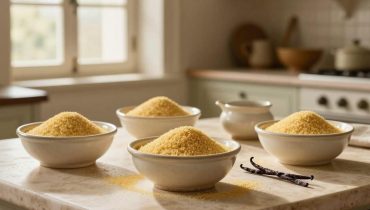
An expert tip radically transforms the final result: “add a thin layer of breadcrumbs or semolina on the pastry before the filling to absorb the tomato juice.” This professional trick avoids the major pitfall of a soggy pastry, a recurring defect that compromises the desired crispy texture. Resting for 5 to 10 minutes after cooking stabilizes the filling and facilitates a clean cut. These seemingly minor technical details distinguish a successful tart from an ordinary preparation.
Creative Variations That Transform The Classic
Beyond the traditional recipe, three official variations allow for infinite renewal of this preparation without compromising its fundamental identity. The Mediterranean version incorporates black olives which bring a sunny touch and a bold character, particularly appreciated during summer meals. This simple addition transforms the tart into a culinary journey to the South.
The gourmet version substitutes the grated cheese with mozzarella cut into pieces, creating melting zones that contrast deliciously with the crispness of the pastry. Lovers of sweetness will prefer the addition of a sliced onion, previously sautéed in a pan until lightly caramelized. This technique softens the whole while adding a subtle aromatic depth that considerably enriches the taste experience.
These variations all respect the basic structure of the filling and the execution methodology detailed previously. They demonstrate the remarkable adaptability of this recipe to individual preferences and available ingredients. Each household can thus make the tart their own according to their cupboard contents, creating their own signature while preserving the balance between tuna, tomatoes, and the creamy base. This flexibility partly explains why this dish crosses generations without losing its popularity.
The Practicality That Explains Its Reference Status
This tart owes its constant presence in French kitchens to a rare combination of practical assets. With 320 kcal and 18g of protein per portion, it displays a satisfying nutritional balance that reassures families concerned with balanced eating without sacrificing indulgence. Its complete profile positions it as a main course in its own right, especially when accompanied by a crunchy green salad, arugula-parmesan, or seasonal raw vegetables that perfectly complement its richness.
Storage represents another decisive advantage: two days in the refrigerator in an airtight container allows for planning the week’s meals. Reheating at 160°C restores the pastry’s original crispness, avoiding the pitfall of softened tarts that often discourage preparing dishes in advance. This ability to maintain its taste qualities over time particularly appeals to active people looking to optimize their culinary organization.
The analysis reveals four determining factors in its massive adoption: speed of preparation, simple and economical ingredients, unanimous approval from guests, and the ability to be served at any temperature. This quadruple performance, rarely found in a single recipe, forges its status as an unshakeable classic. It simultaneously responds to modern constraints of time, budget, and versatility while guaranteeing a flavorful result that crosses generations without aging a day.