📌 Tuna salad: the 5 unexpected ingredients that transform the classic recipe
Posted 13 February 2026 by: Admin
The Rise Of An American Classic
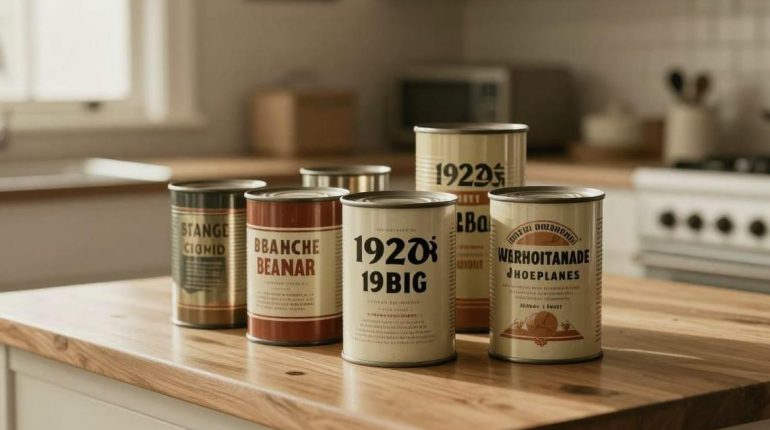
At the turn of the 20th century, a silent revolution took place in American kitchens. Canned tuna, freshly democratized by the nascent food industry, established itself as the protein solution for busy households and tight budgets. This technical innovation transformed a fish once reserved for wealthy tables into an everyday food, accessible to all budgets.
Lunch counters and domestic kitchens quickly adopted this practical novelty. No need for refrigeration before opening, instant preparation, extended shelf life: canned tuna ticked all the boxes for an America that was urbanizing and accelerating. The first recipes were content with a rudimentary mixture of mayonnaise, a few celery cubes, and a pinch of salt.
But what began as a simple utilitarian assembly would quickly evolve. Generation after generation, cooks added their personal touch: a squeeze of lemon here, red onions there. Tuna salad morphed from the status of an economic fallback solution to that of a versatile and appreciated dish. This transformation perfectly illustrates how a budget constraint can generate a lasting culinary creation, capable of crossing decades without losing its relevance.
From Basic Recipe To Global Influences
This culinary plasticity would quickly cross American borders. From the 1960s, tuna salad was exported and reinvented in contact with local gastronomic traditions. In the Mediterranean, it absorbed the very essence of coastal cuisines: chopped black olives, salted capers, fresh basil, and extra-virgin olive oil gradually replaced industrial mayonnaise. The result? A sunny and aromatic version that maintains the practicality of the dish while anchoring it in a millennial terroir.
Asia underwent an even more radical transformation. In Japan and Korea, tuna salad integrated soy sauce, toasted sesame oil, grated ginger, and green onions. Some versions even incorporated kimchi or wasabi, creating umami flavor profiles totally foreign to the original recipe. These adaptations do not betray the initial concept: they sublimate it by demonstrating its capacity for cultural absorption.
This intercultural metamorphosis reveals a truth rarely expressed: the most durable dishes are not those that freeze a tradition, but those that offer a simple enough framework to welcome innovation. Tuna salad works like a culinary blank canvas, accepting Provencal herbs as well as Sichuan spices, Maghreb citrus fruits as well as Mexican chilies. This universal adaptability explains why, a century after its popularization, it remains present on all continents.
The Fundamental Recipe And Its Variations
Behind this versatility lies a remarkably simple architecture. The classic base rests on two drained 140-gram cans of tuna, mixed with half a cup of mayonnaise. Added to this are two tablespoons of finely chopped celery, as much red onion, a spoonful of lemon juice, salt, and pepper. This minimalist formula for four people works as a modular platform: each element can be replaced, amplified, or removed according to the palate.
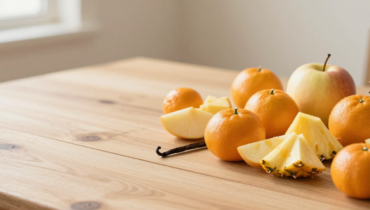
Optional additions fall into seven distinct categories. For acidity: pickles or relish bring a sweet and sour touch. For richness: mashed hard-boiled eggs intensify the creamy texture. For sweet-savory contrast: apple cubes or grapes introduce a fruity freshness. Dijon mustard injects a pungent liveliness, while fresh herbs (parsley, dill, chives) add a vegetal dimension. Avocado partially replaces mayonnaise for a lighter version, crushed nuts create crunch, and olives or capers sign the Mediterranean influence.
This combinatorial strategy transforms a single recipe into fifty possible variations. An avocado mashed with lime and cilantro produces a Californian version. Pickles, hard-boiled eggs, and mustard evoke New York delis. Kalamata olives, sun-dried tomatoes, and oregano shift towards Greece. This systematic personalization explains why tuna salad crosses generations: everyone can adapt it to their preferences without altering its fundamental practicality.
The Secrets Of Perfect Execution
This mastery of personalization guarantees nothing without impeccable technique. The first imperative concerns drainage: firmly squeezing the canned tuna eliminates residual water that would dilute the mayonnaise and turn the whole thing into mush. Professional chefs transfer the tuna to a fine sieve, apply pressure with the back of a spoon, then pat with paper towels. This seemingly harmless step determines whether the texture will be compact or soggy.
The second secret lies in strategic refrigeration. Letting the preparation rest for at least thirty minutes allows the ingredients to fuse. The celery releases its essential oils, the onion softens its pungency, the mayonnaise uniformly coats each flake of tuna. This thermal pause transforms a simple mechanical mixture into a harmonious composition where no flavor brutally dominates.
The choice of tuna conditions the final intensity. Albacore, prized for its white flesh and subtle taste, is suitable for delicate versions enriched with fruit or fresh herbs. Skipjack, darker and more pronounced, supports powerful additions like strong mustard, capers, or chilies. This strategic selection between varieties is never mentioned in basic recipes, yet it determines whether the dish will be refined or robust.
The mayonnaise-acidity balance constitutes the last crucial adjustment. A spoonful of lemon juice or cider vinegar cuts through the fatty richness, preventing palate saturation. Professionals taste mid-preparation, adjusting gradually, as an excess of acidity can never be corrected. This final calibration separates a correct salad from a memorable version that one will reproduce instinctively.