📌 Torta Gianduia: the Piedmontese recipe for the chocolate-hazelnut cake that rivals Michelin-starred desserts
Posted 3 February 2026 by: Admin
The Authentic Piedmontese Recipe: Origins And Ingredients Of The Torta Gianduia
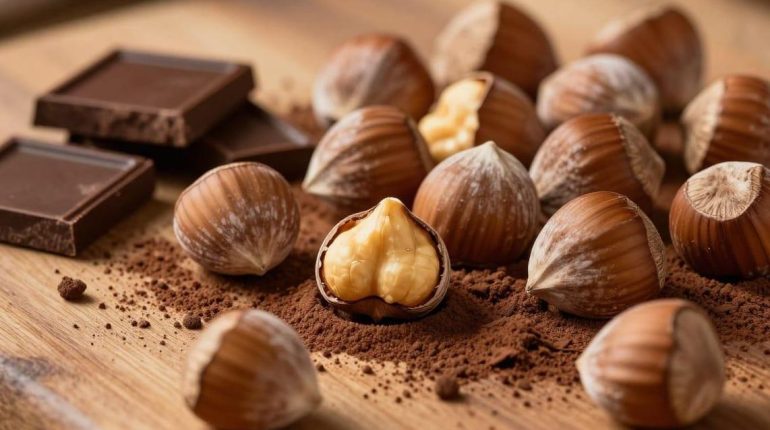
Born in the pastry shops of Turin in the heart of the 19th century, the torta gianduia embodies Piedmontese chocolate excellence. This regional specialty relies on a meticulously calculated balance: 200 grams of extra dark chocolate for 200 grams of roasted hazelnuts, a proportion that forges its unique taste identity. To these fundamentals are added 200 grams of butter and as much sugar, 30 grams of bitter cocoa, four eggs, and a pinch of salt. This architecture of ingredients reflects the Piedmontese tradition that refuses any compromise on quality.
The ganache that crowns this cake reveals its true heritage: 200 grams of gianduia chocolate, this emblematic paste mixing cocoa and hazelnuts from Piedmont, combined with 200 milliliters of pastry cream and 50 grams of butter. Unlike classic chocolate coatings, this glaze carries the direct legacy of Turinese chocolatiers who, faced with the cocoa shortage under Napoleon, invented this now-legendary marriage.
The proportions reveal a philosophy: each component expresses itself without dominating. The dark chocolate brings depth, the hazelnuts their woody character, the butter the creaminess. This authentic recipe remains little known outside Italy, preserving its status as a regional treasure that only initiates truly master.
Preparing The Batter: Secrets Of Texture And Technique
This architecture of ingredients only reveals its potential through rigorous execution. The simultaneous melting of the 200 grams of dark chocolate and butter constitutes the foundation: in a bain-marie, these equal masses merge into a shiny emulsion, creating the smooth base that distinguishes this torta from ordinary chocolate cakes. This step requires patience and moderate temperature to preserve the delicate aromas of the Piedmontese cocoa.
The roasted hazelnuts, finely ground but not reduced to a paste, provide their characteristic grainy structure. Their integration precedes that of the bitter cocoa, whose 30 grams intensify the depth without excessive bitterness thanks to the counterbalance of the 200 grams of sugar. This 1:6.6 proportion between cocoa and sugar creates the taste balance that Turinese pastry chefs have refined for two centuries.
Whisking the four separated eggs reveals the decisive technique: the yolks incorporated into the chocolate base enrich it, while the whites beaten to peaks with a pinch of salt provide the signature aeration. Their delicate incorporation, using vertical movements, preserves the air bubbles that will transform this dense preparation into a moist cake after 40 minutes at 180°C. Without this mastered step, the torta would lose its paradoxical lightness despite its richness in fats.
The Gianduia Ganache: The Distinctive Element Of This Pastry
While the cake cools on its rack, the preparation of the glaze reveals the Piedmontese soul of this recipe. Gianduia chocolate, a Turinese invention born in 1806 in response to Napoleonic restrictions on cocoa, transforms this dessert into a regional emblem. This chocolate paste enriched with 30% Piedmont hazelnuts radically distinguishes the torta from classic chocolate cakes with its velvety sweetness and notes of caramelized hazelnut.
The 200 grams of gianduia chocolate melt gently with 50 grams of butter and 200 milliliters of pastry cream, creating a fluid but structured emulsion. This 1:1 chocolate-to-cream volume proportion guarantees a ganache liquid enough to coat uniformly, but concentrated enough to set into a shiny layer at room temperature. The additional butter brings that characteristic luster of the best Turinese pastries, transforming the topping into a smooth mirror.
Unlike dark chocolate ganaches that harden quickly, the gianduia one maintains a melting texture even when refrigerated thanks to the natural oils of the hazelnuts. This technical peculiarity explains why Piedmontese pastry chefs systematically prefer this chocolate for their glazes: it offers the visual elegance of a professional couverture with the accessible indulgence of a homemade chocolate cream. Applying this ganache to the cooled biscuit, however, requires precision and perfect timing.
Assembly And Finishing: Succeeding In The Final Presentation
Applying this ganache to the cooled biscuit requires surgical timing: the cake must reach room temperature to avoid any condensation, while the ganache needs 38-40°C to flow uniformly without setting prematurely. Piedmontese pastry chefs recommend placing the torta on a rack over a tray, pouring the ganache in a spiral from the center to the edges. This gravitational technique creates that mirror glaze without spatula marks, the visual signature of renowned Turinese establishments.
The surplus ganache collected under the rack should never be reapplied directly: heated a second time, the gianduia loses its characteristic shine. Professionals instead reserve it for decorating the serving plate or filling petits fours. After glazing, a minimum rest of two hours at room temperature (never in the refrigerator during this phase) allows the ganache to develop that melting texture that cuts clean with a knife without sticking.
Traditional presentation favors sobriety: a smooth and shiny surface, sometimes enhanced with a whole roasted hazelnut at the top. Contemporary variations add gold leaf or caramelized hazelnut shards, but Piedmontese purists consider that the visual balance between the chocolatey moistness of the biscuit and the satiny brilliance of the glaze constitutes sufficient ornament. This decorative restraint reflects the culinary philosophy of Piedmont: letting the noble ingredients speak without superfluous artifice, ensuring that every bite reveals the chocolate-hazelnut harmony inherited from two centuries of Turinese expertise.