📌 Toilet paper in the fridge: why this anti-odor hack is less effective than baking soda
Posted 10 January 2026 by: Admin
The Unexpected Phenomenon: Toilet Paper In The Fridge
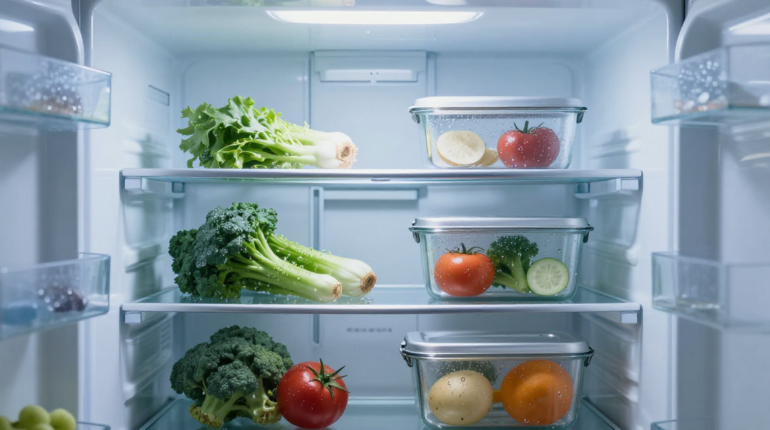
The idea seems absurd, yet it circulates insistently in household forums: sliding a roll of toilet paper between the refrigerator shelves to eliminate bad odors. This hack, which defies intuition, is based on a simple but effective physical principle.
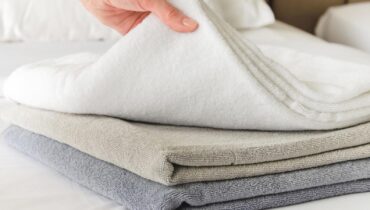
Toilet paper has an exceptional absorption capacity. In the confined environment of a refrigerator, excessive humidity naturally accumulates, creating a breeding ground for mold and bacteria. These microorganisms generate the unpleasant odors that everyone dreads when opening their fridge door. By absorbing this moisture, toilet paper directly attacks the source of the problem.
The validation of this method is not an urban myth. The cellulose fibers of the paper act like a microscopic sponge, capturing suspended water particles before they can promote microbial proliferation. The effect manifests within a few hours: the refrigerator atmosphere becomes drier, and odors gradually diminish.
This observed effectiveness nevertheless raises an essential question: is toilet paper really the optimal solution for deodorizing a refrigerator, or are there more high-performance alternatives?
Comparative Analysis: Baking Soda Vs Toilet Paper
Toilet paper absorbs moisture, certainly, but it does not neutralize odors. This technical nuance changes everything. The molecules responsible for bad odors persist in the refrigerator air even when humidity decreases. The paper merely dries the environment without tackling the volatile compounds that offend the sense of smell.
Baking soda operates differently. Its alkaline chemical structure neutralizes the acidic compounds that generate foul odors. Unlike toilet paper, which plays a passive role as an absorbent, baking soda engages in an active chemical reaction. It captures and transforms odorous molecules instead of simply managing ambient humidity.
Some users have developed a hybrid technique: sprinkling baking soda directly onto the toilet paper before placing it in the refrigerator. This combination aims to combine moisture absorption and odor neutralization. However, the effectiveness remains lower than that of baking soda alone, as the paper limits the contact surface between the powder and the refrigerator air.
The superiority of baking soda is not just about chemical efficiency. It is also expressed in the durability of the action: an open box maintains its neutralizing power for three months, while toilet paper saturated with moisture quickly loses its absorption capacity. This difference in longevity reveals a significant economic gap between the two methods.
The Economic Verdict: Which Investment to Prioritize?
This difference in longevity translates directly to the wallet. A box of baking soda costs $0.99 and remains effective for three months. A low-end roll of toilet paper is priced at $0.84 but requires replacement every three weeks. The math is clear: four toilet paper replacements over three months total $3.36, which is more than triple the cost of baking soda for less effectiveness.
The financial gap widens further over a full year. Baking soda costs $3.96 annually compared to $14.56 for toilet paper. This $10.60 difference may seem modest, but it comes with a qualitative disadvantage: toilet paper does not eliminate odors; it only manages humidity.
Toilet paper still retains occasional utility. In an emergency, when baking soda is unavailable or a persistent odor requires immediate intervention, it offers an acceptable fix. Its universal availability in homes makes it a practical backup solution, provided it is not used regularly.
The profitability of baking soda is not its only advantage. Its chemical action durably neutralizes odors, while toilet paper requires constant monitoring to maintain its limited effectiveness. This maintenance constraint adds an invisible cost in time and attention that a strictly financial analysis does not capture.
Instructions and Practical Recommendations
The toilet paper hack works under well-defined circumstances. Placing a roll at the back of the vegetable drawer or on a central shelf allows it to absorb ambient humidity for a maximum of one to two weeks. Beyond that, the saturated paper loses all absorbent capacity and risks developing bacteria, worsening the initial problem.
To optimize this temporary method, opt for thick, multi-ply paper. Low-end rolls that are too thin become waterlogged in a few days and require frequent replacement. Some users report better results by sprinkling baking soda on the first few sheets, creating a combined barrier against moisture and odors.
This solution does not replace fundamental maintenance. A clean refrigerator, regularly cleared of expired food, naturally generates fewer odors. Toilet paper acts as a palliative during a fix: baking soda run out, sudden odor after forgotten food, or excessive humidity following defrosting.
The limited effectiveness of this hack confines it to the rank of an occasional supplement rather than a primary strategy. It helps out effectively while waiting to buy baking soda, but its cumulative cost and low neutralizing action disqualify it for daily use. Regular refrigerator maintenance, combined with permanent baking soda, constitutes the most rational approach to maintaining a healthy and odor-free environment.