📌 Thyme: how this Mediterranean herb naturally relieves bloating and digestive heaviness
Posted 13 March 2026 by: Admin
Thyme: An Aromatic Plant With Many Facets
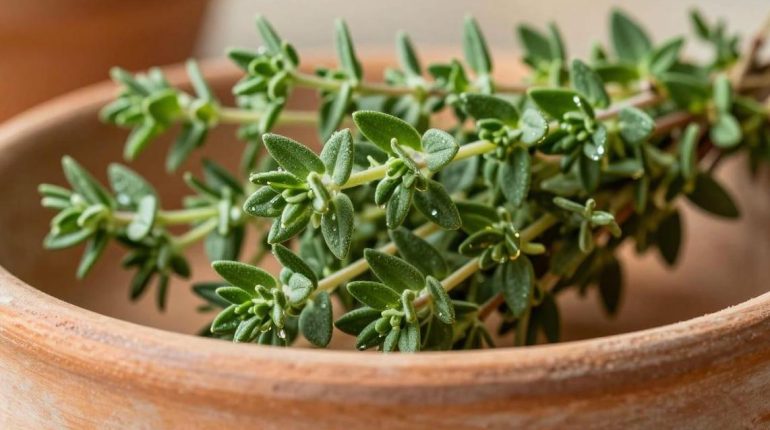
Native to the Mediterranean basin, thyme (Thymus vulgaris) belongs to the Lamiaceae family, which also includes mint, basil, and sage. This small perennial plant with evergreen leaves hides a remarkable chemical composition beneath its modest appearance, explaining its millennial use.
Scientists have identified powerful active compounds in thyme: thymol and carvacrol, two natural essential oils with documented antimicrobial properties. Added to these are polyphenols and plant antioxidants that grant this plant its status as a traditional remedy in many cultures.
This double identity, both culinary and medicinal, is no coincidence. For centuries, Mediterranean herbalists observed that thyme used to flavor dishes also provided a certain digestive comfort. The Egyptians used it in their embalming preparations, the ancient Greeks perfumed their baths with it, while medieval monks meticulously cultivated this herb in their monastery gardens.
Today cultivated on all continents, thyme remains one of the most accessible aromatic plants. This global availability allows everyone to explore its potential benefits, whether in fresh, dried, or infusion form. Contemporary research continues to study these plant molecules, progressively validating what herbal traditions have taught for generations.
The Digestive And Intestinal Virtues Of Thyme In Herbal Tradition
This richness in active compounds explains why thyme has featured for centuries in traditional pharmacopoeias as a preferred digestive remedy. The aromatic oils it contains possess recognized carminative properties, stimulating digestive secretions and facilitating intestinal transit.
After a heavy meal, a cup of thyme infusion helps relieve common discomforts: stubborn bloating, sensations of gastric heaviness, intestinal gas. This action is explained by the ability of thymol and carvacrol to relax the smooth muscles of the digestive tract while promoting the expulsion of accumulated gas.
Beyond this immediate comfort, traditional herbalists attributed a role to thyme in maintaining intestinal balance. Contemporary research on the antimicrobial properties of its essential oils provides scientific insight into this ancestral intuition: these compounds could contribute to preserving a healthy digestive environment by limiting the proliferation of certain undesirable bacteria.
This “warming” nature of thyme, described in medieval herbal texts, corresponds to its ability to gently stimulate digestive activity. This is why the infusion consumed fifteen to twenty minutes after a meal constitutes a valued well-being ritual in Mediterranean cultures, where digestion is considered a fundamental pillar of daily vitality.
Practitioners generally recommend moderate and regular consumption rather than intensive use, allowing the body to gradually benefit from the virtues of this plant without excessive strain on the digestive system.
Antioxidant Shield And Immune Support: Daily Health Benefits
Beyond its digestive virtues, thyme reveals an often-overlooked protective dimension. This plant concentrates a remarkable density of plant antioxidants, notably flavonoids and phenolic acids, which neutralize free radicals responsible for premature cellular aging. This protection operates at the level of cellular membranes, preserving their integrity against daily aggressions: pollution, stress, solar radiation.
In Mediterranean traditions, thyme systematically accompanied seasonal transitions, periods when the body requires increased support. The polyphenols it contains contribute to maintaining immune balance, not by artificially stimulating it, but by strengthening the body’s natural defenses. This modulating action explains why thyme infusion was historically consumed from the first autumn frosts.
The respiratory dimension also deserves attention. The aromatic compounds released during infusion exert a soothing action on the upper respiratory tract. In case of mild throat irritation or seasonal cough, the warm steam enriched with thyme essential oils provides immediate relief, while the natural antimicrobial properties help cleanse the mucous membranes.
This triple action – antioxidant, immunomodulatory, and respiratory – positions thyme as a precious ally in a preventive health approach, particularly when integrated into a global lifestyle prioritizing restorative sleep, a diversified diet, and sufficient hydration.
Preparation And Integration Of Thyme Into A Well-Being Routine
Transforming this ancestral knowledge into daily practice requires no special expertise. Preparing a thyme infusion relies on a basic protocol: bring 250 to 300 ml of water to a simmer, pour over 1 to 2 teaspoons of dried thyme (or 2 to 3 fresh sprigs), cover immediately to preserve volatile oils, then let infuse for 10 to 15 minutes before filtering. This covering step is crucial: it prevents the evaporation of the aromatic compounds responsible for the therapeutic properties.
Optimal integration varies according to the intended goal. For digestive comfort, a cup consumed 15 minutes after the main meal promotes intestinal mobility. In search of general immune support, a morning intake on an empty stomach or an evening intake allows the body to gradually assimilate the polyphenols. Some appreciate the addition of a dash of raw honey or a slice of lemon, which enrich the antioxidant profile without altering the properties of the thyme.
Beyond the infusion, thyme finds its place in the daily culinary ecosystem: sprinkled on roasted vegetables, incorporated into broths, or even added to bathwater for its skin-relaxing effects. Aromatherapy offers another path: a few drops of thyme essential oil (imperatively diluted) diffused in the living space purify the atmosphere.
However, this accessibility does not exempt one from vigilance. Pregnant or breastfeeding women should seek professional advice before regular use, while people sensitive to the Lamiaceae family should start with small quantities. Thyme remains a well-being supplement, never a substitute for established medical treatment, but its effectiveness is fully deployed when part of a coherent lifestyle combining a fiber-rich diet, sustained hydration, and regular physical activity.